Dholavira: The Ancient Harappan City That Mastered Water in the Desert
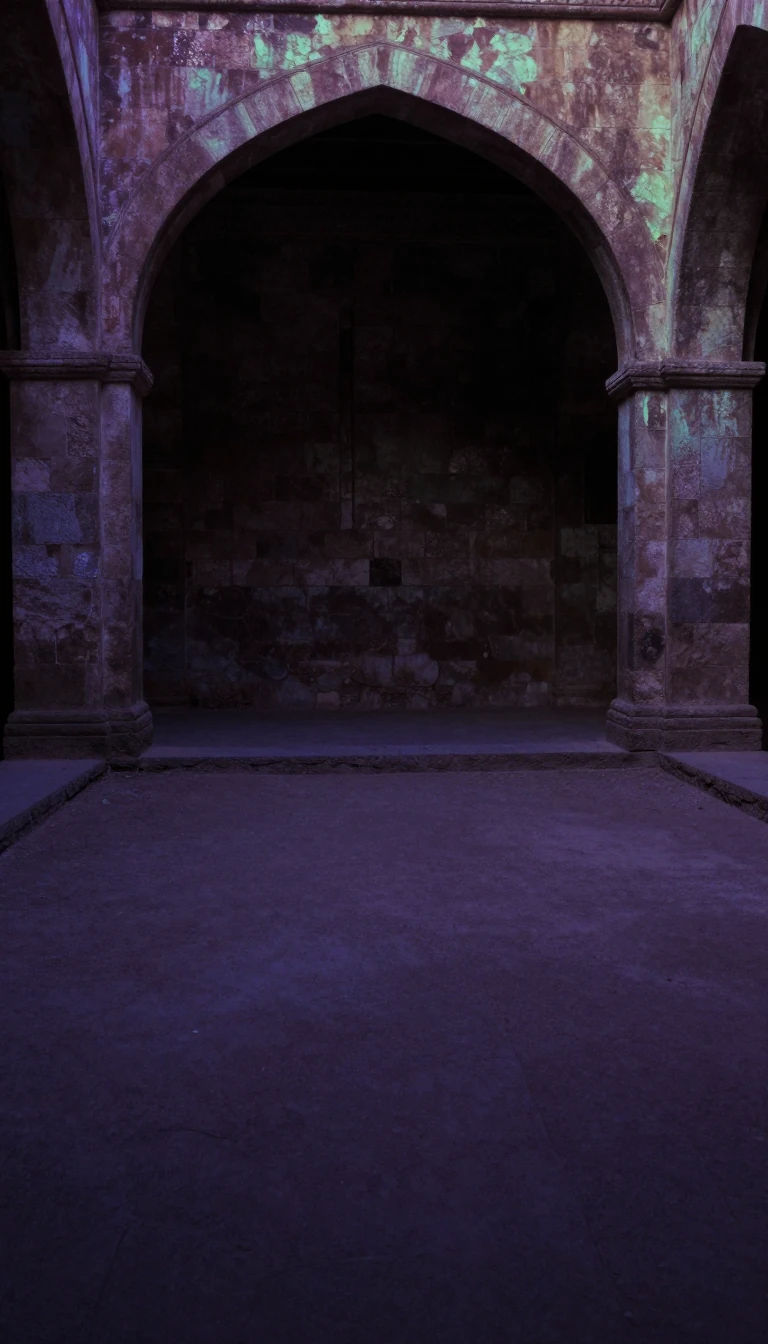
In short: Located on the Tropic of Cancer in India's Great Rann of Kutch, Dholavira was a sophisticated urban center of the Indus Valley Civilization. Unlike its brick-built contemporaries, this city was constructed primarily of stone, featuring an advanced hydraulic engineering system designed to survive a harsh, arid desert climate.
Dholavira, also known as Kotada timba, is one of the five largest Harappan sites. Occupied from approximately 3500 BCE until 1800 BCE, the city was organized into a precise geometric plan comprising a citadel, a middle town, and a lower town. While other major sites like Mohenjo-daro and Harappa relied on brick, Dholavira’s builders utilized stone for their fortifications, gateways, and extensive street systems. The site’s strategic location between the Mansar and Manhar streams allowed its inhabitants to develop a complex water management network, essential for a region where rainfall is often scarce.
The city is perhaps most famous for its sophisticated reservoirs. Excavations have revealed at least sixteen reservoirs, some cut directly into living rock, designed to harvest and store rainwater. These structures, which include a massive stepwell significantly larger than the Great Bath of Mohenjo-daro, demonstrate an advanced understanding of hydraulic engineering. The city also served as a vital trade hub, connecting settlements across Gujarat, Sindh, Punjab, and Western Asia. Archaeologists have unearthed a wealth of artifacts, including gold and silver ornaments, bronze vessels, and terracotta seals, which highlight the city's economic and cultural significance.
Among the most intriguing discoveries is the Dholavira Signboard, a large wooden board once inlaid with ten massive gypsum symbols. Its size and public placement provide compelling evidence for those arguing that the Indus script represented a form of full literacy. Furthermore, the site contains mysterious hemispherical structures that remind researchers of early Buddhist stupas, though their exact purpose remains a subject of study. Despite being repeatedly affected by earthquakes, Dholavira remains a testament to the ingenuity of the Indus Valley people, earning its status as a UNESCO World Heritage Site in 2021.
Opens the Intellect+ feed with this card first. Swipe up for the next one.
Sources
- Summary by Intellect · source: Dholavira
- Also: Wikidata — Dholavira · CC0
- Also: Wikidata — Dholavira · CC0
To cite this card, link to https://intellectplus.co.uk/app/places-dholavira.
How we source, check and correct cards: Editorial standards.
General information, not professional advice. Spotted an error? Flag the card or see corrections and complaints.
Intellect Plus is a visual educational discovery platform for exploring fascinating facts and ideas. Brain Food, Not Brain Rot. What is Intellect Plus?
Related
More in World Heritage Sites · More in Countries & Cities · Latest · A–Z · All topics
