The mysterious stone terraces of the Mandara Mountains that defy regional history
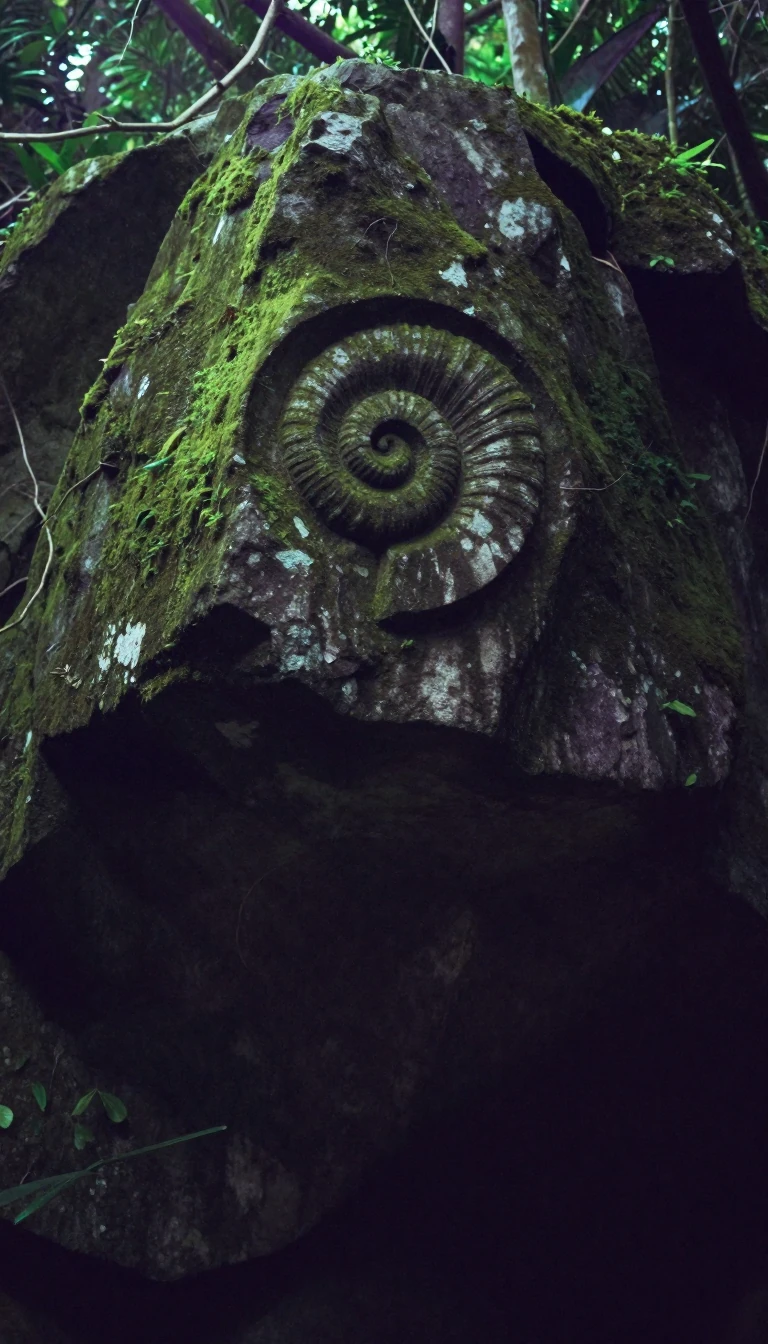
In short: Hidden in the Mandara Mountains of Cameroon and Nigeria, sixteen ancient stone sites known as Diy-Gid-Biy remain an archaeological enigma. Built with unique dry-stone architecture, these structures predate most local occupation evidence by centuries. Were they ritual rain shrines, defensive forts, or bustling centers of international trade?
The Diy-Gid-Biy (DGB) sites, a name derived from the Mafa language meaning 'place of chiefly residence,' consist of sixteen archaeological locations scattered across the Mandara Mountains. While the majority of these sites date to the 15th century, the DGB-1 site stands as a notable anomaly, with radiocarbon dating tracing its origins back to approximately 1250 AD. These structures are defined by a distinct dry-stone construction technique using local granite and rocks, carefully fitted together with smaller stones rather than shaped square blocks. This architectural style is unique to the region, featuring complex systems of terraces, platforms, stairs, and silos.
Archaeological investigation of these sites only began in earnest in 2001, led by researchers like Nicholas David. The findings have challenged previous understandings of the region, where most evidence of human occupation is less than two centuries old. Excavations at DGB-1 have yielded artifacts such as copper and glass items that did not originate locally, suggesting that this site served as a hub for trade or interchange with foreign peoples. This activity appears to align chronologically with the rise of the Wandala, or Mandara Kingdom, as documented by European and Arabic writers of the era.
The purpose of these sites remains a subject of intense debate. While their towers and walls suggest defensive functions, other theories propose they served as burial grounds for elites or market centers. A compelling hypothesis, supported by the presence of river sand and gravel at DGB-2 and DGB-8, suggests they were ritual structures designed to address severe regional droughts. Today, the sites are recognized for their cultural significance, having been added to the UNESCO World Heritage Tentative List in 2006 and officially designated as a World Heritage Site in 2025. They continue to be regarded by local populations as sacred ground, bridging the gap between the region's ancient past and its present.
Opens the Intellect+ feed with this card first. Swipe up for the next one.
Sources
- Summary by Intellect · source: Diy-Gid-Biy
- Also: Wikidata — Diy-Gid-Biy · CC0
To cite this card, link to https://intellectplus.co.uk/app/places-diy-gid-biy.
How we source, check and correct cards: Editorial standards.
General information, not professional advice. Spotted an error? Flag the card or see corrections and complaints.
Intellect Plus is a visual educational discovery platform for exploring fascinating facts and ideas. Brain Food, Not Brain Rot. What is Intellect Plus?
Related
More in World Heritage Sites · More in Countries & Cities · Latest · A–Z · All topics
