A medieval Anatolian masterpiece built by a local dynasty remains an architectural enigma
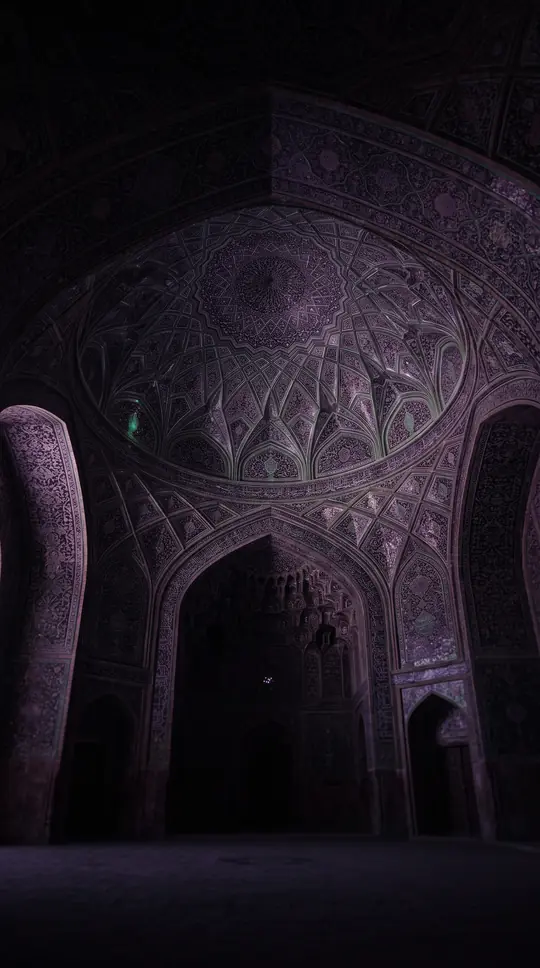
In short: Constructed in 1228, the Divriği Great Mosque and Hospital is celebrated for its intricate, high-relief stone carvings and eclectic design. While UNESCO recognized its global significance in 1985, the true origins of its unique artistic style and the relationship between its two royal founders remain subjects of historical debate.
The complex was commissioned by the Mengujekids, a local dynasty ruling from the Anatolian town of Divriği. Inscriptions identify the mosque patron as Ahmadshāh ibn Sulaymān and the hospital founder as Tūrān Malik, a relative of the prominent Erzincan ruler Fakhr al-Dīn Bahramshāh. Despite common assumptions, no historical evidence confirms a marriage between the two founders. The project was executed by the chief architect Khurramshāh ibn Mughīth al-Khilātī, whose name suggests he hailed from the city of Ahlat.
Art historian Doğan Kuban suggests the site's sophisticated aesthetic resulted from a highly diverse cultural environment. During the 13th century, itinerant artisans moved between various patrons, blending traditions to create an eclectic architectural language. This mobility explains the presence of exceptional craftsmanship in a relatively small town. The complex itself is a structural marvel, featuring a mosque and an adjoining hospital that share a southern wall, with a mausoleum integrated into the hospital section.
The site has undergone numerous restorations since the 15th century to address structural deterioration. A major, multi-stage restoration project that began in 2015 faced several interruptions due to financial constraints. Following a new tender in 2021, work resumed, and the mosque finally reopened to the public in May 2024. Today, the site remains a testament to the artistic patronage of the Mengujekid era, housing rare original wooden furnishings, including a 1243 minbar crafted by Ibrahīm ibn Ahmad al-Tiflīsī.
The architecture is defined by its dense, high-relief portals and a central mosque bay that remains open to the sky. The hospital, designed with a covered courtyard and a central pool, includes a second story and a dedicated dynastic tomb chamber. These features, combined with the site's complex history of reconstruction, continue to offer scholars a unique window into the medieval Anatolian synthesis of art, science, and faith.
Opens the Intellect+ feed with this card first. Swipe up for the next one.
Sources
- Summary by Intellect · source: Divriği Great Mosque and Hospital
To cite this card, link to https://intellectplus.co.uk/app/places-divri-i-great-mosque-and-hospital.
How we source, check and correct cards: Editorial standards.
General information, not professional advice. Spotted an error? Flag the card or see corrections and complaints.
Intellect Plus is a visual educational discovery platform for exploring fascinating facts and ideas. Brain Food, Not Brain Rot. What is Intellect Plus?
Related
More in World Heritage Sites · More in Countries & Cities · Latest · A–Z · All topics
