Why these Italian peaks glow purple at sunset and hold a dark war history
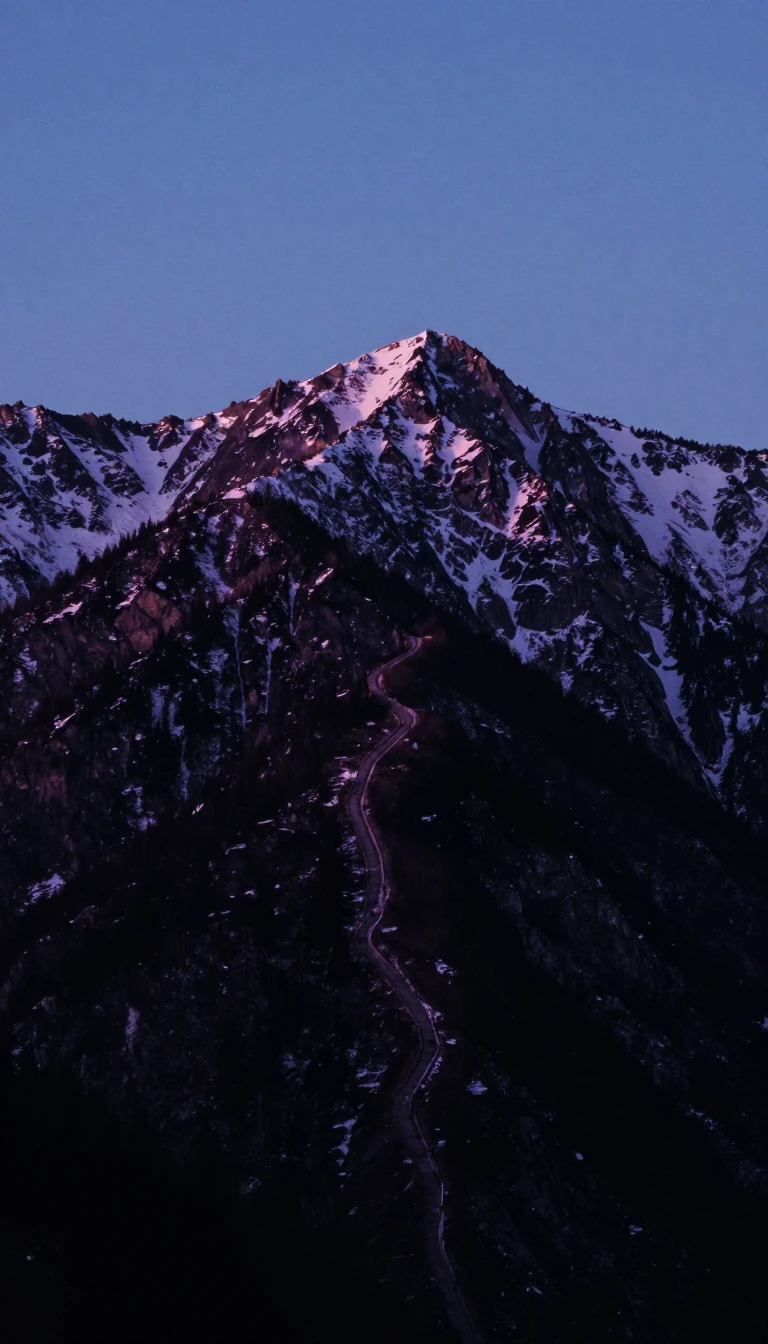
In short: The Dolomites are more than just a jagged mountain range in northeastern Italy. Named after a French scientist who first identified their unique carbonate rock, these peaks transition from pale stone to vibrant violet at dusk. Beyond their beauty, they hide a complex legacy of ancient climbing and brutal conflict.
The Dolomites, stretching across several Italian provinces including Belluno and South Tyrol, are defined by the mineral dolomite. This rock, which gives the range its name, was first described by Déodat Gratet de Dolomieu, a French mineralogist who lived from 1750 to 1801. Before this scientific classification, locals referred to the peaks as the Pale Mountains, a name inspired by the alpenglow that turns the carbonate rock into shades of red and purple during sunset.
Human history in these heights is as rugged as the terrain. While hunters likely reached the summits millennia ago, organized mountaineering took hold in the 19th century. Figures like John Ball, who climbed Monte Pelmo in 1857, and Georg Winkler, who soloed the Vajolet Towers in 1887, helped establish the region as a climbing destination. Today, the area is a UNESCO World Heritage Site, recognized for its geological significance and its extensive network of high-altitude paths known as alte vie.
The mountains also serve as a somber monument to the First World War. The front line between Italian and Austro-Hungarian forces cut directly through these peaks, leading both sides to use explosives extensively. Today, visitors can explore open-air war museums at sites like Mount Lagazuoi and Cinque Torri. Many tourists now traverse the vie ferrate—protected climbing routes originally forged for military movement—which now offer a unique way to experience the vertical landscape that once served as a high-altitude battlefield.
Opens the Intellect+ feed with this card first. Swipe up for the next one.
Sources
- Summary by Intellect · source: Dolomites
- Also: Wikidata — Dolomites · CC0
To cite this card, link to https://intellectplus.co.uk/app/places-dolomites.
How we source, check and correct cards: Editorial standards.
General information, not professional advice. Spotted an error? Flag the card or see corrections and complaints.
Intellect Plus is a visual educational discovery platform for exploring fascinating facts and ideas. Brain Food, Not Brain Rot. What is Intellect Plus?
Related
More in Cities · More in Countries & Cities · Latest · A–Z · All topics
