From royal funeral rites to political protest, why do we burn effigies?
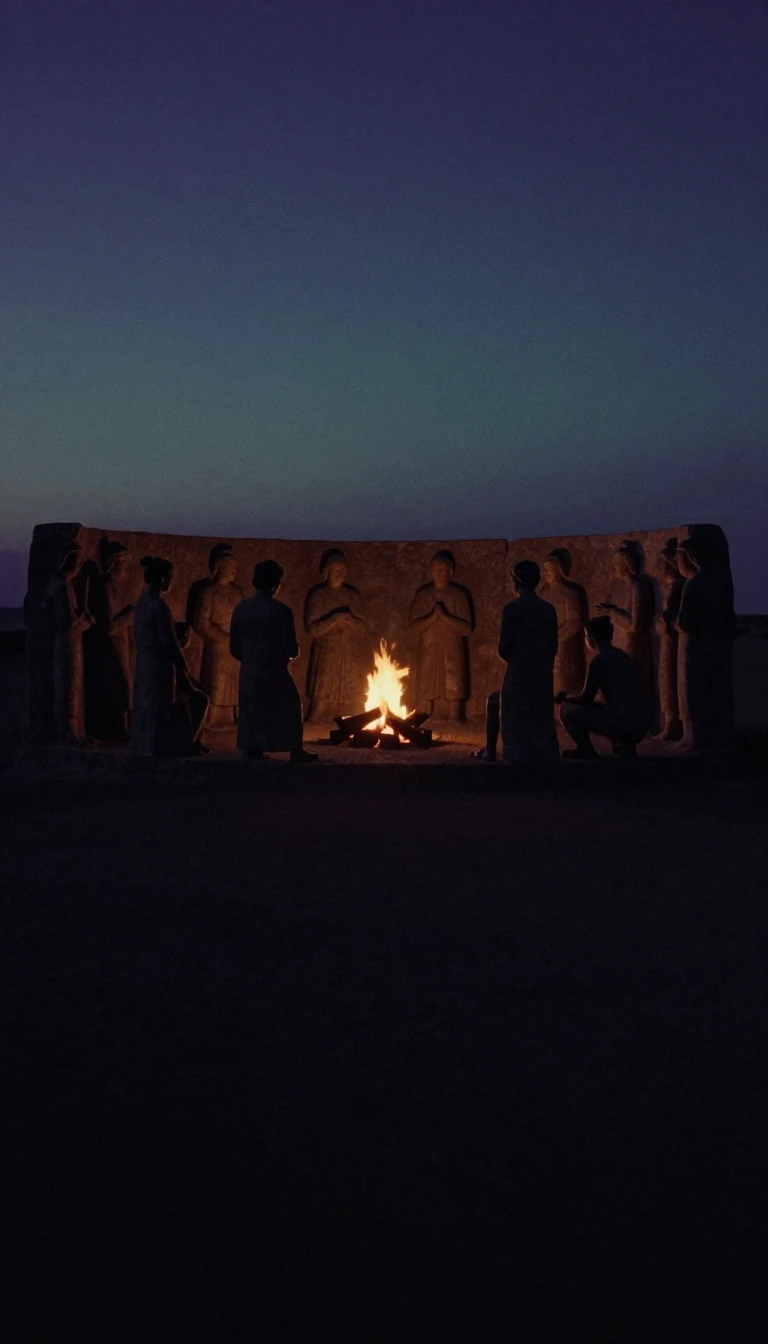
In short: An effigy is a sculptural likeness, but its purpose shifts wildly depending on the context. While tomb effigies offer eternal repose, ephemeral dummies are burned to mock enemies or mark seasonal cycles. From ancient rituals to modern political spectacles, these figures serve as powerful proxies for the people they represent.
The term effigy, first documented in English in 1539, traces back to the Latin 'effigies', meaning a copy or likeness. Historically, these representations served formal roles in justice and statecraft. In early modern Europe, funeral effigies made of wax, cloth, and wood allowed monarchs to maintain a 'double body'—the physical remains were hidden while the effigy, dressed in royal regalia, represented the immortal, divine nature of kingship. Westminster Abbey holds a collection of these figures dating back to Edward III, who died in 1377.
Beyond the grave, effigies function as potent tools for social and political expression. Burning a figure in effigy is a widespread practice used to ridicule, dishonour, or ostracise. This tradition ranges from the 1328 burning of a straw puppet of Pope John XXII by the troops of Holy Roman Emperor Louis IV to the modern-day protests where effigies of political leaders are subjected to mock trials and executions. In the British colonies of New England, effigy performances were instrumental in protests against the 1765 Stamp Act, eventually fueling the American Revolution.
Seasonal traditions also utilize effigies to mark the cycle of life and death. In many European cultures, figures representing winter or the old year are burned or drowned to welcome spring. These customs have traveled globally, merging with local practices like the burning of Judas in the Philippines or the 'al-Limby' in Port Said, Egypt. Whether appearing as a recumbent tomb sculpture, a sovereign's portrait on a coin, or a straw dummy in a protest, the effigy remains a versatile medium for projecting status, sovereignty, or defiance.
Opens the Intellect+ feed with this card first. Swipe up for the next one.
Sources
- Summary by Intellect · source: Effigy
- Also: Wikidata — Effigy · CC0
- Also: Wikidata — effigy · CC0
To cite this card, link to https://intellectplus.co.uk/app/places-effigy.
How we source, check and correct cards: Editorial standards.
General information, not professional advice. Spotted an error? Flag the card or see corrections and complaints.
Intellect Plus is a visual educational discovery platform for exploring fascinating facts and ideas. Brain Food, Not Brain Rot. What is Intellect Plus?
Related
More in Cities · More in Countries & Cities · Latest · A–Z · All topics
