The 365 niches of El Tajín: A solar calendar carved in stone
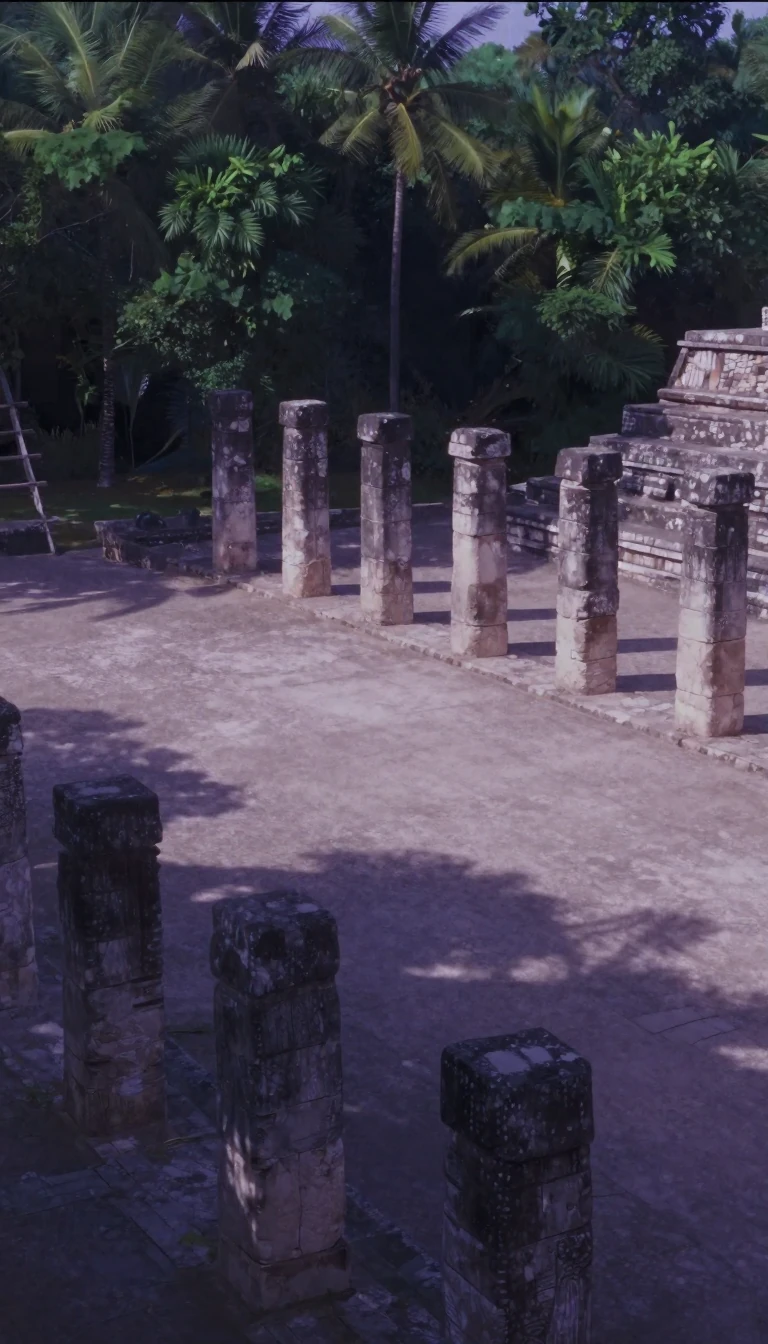
In short: Hidden for centuries under jungle growth, El Tajín is a masterpiece of Mesoamerican engineering. Beyond its famous Pyramid of the Niches, this ancient city features unique cement-roofed palaces and seventeen ballcourts. It remains a sacred site where Totonac traditions endure, offering a rare window into a lost Classic-era civilization.
Located in the highlands of Veracruz, Mexico, El Tajín flourished as a major city from 600 to 1200 CE. While its origins remain debated—with evidence suggesting Huastec presence by the 1st century CE—the city became a highly centralized power, controlling trade routes and a diverse population of over fifty ethnicities. It reached its apogee during the Epi-Classic period between 900 and 1100 CE, surviving the widespread social collapses that forced the abandonment of many other contemporary centers.
The site is best known for the Pyramid of the Niches, a square-based structure featuring 365 decorative recesses that align with the solar year. Unlike the rigid grid patterns found in the central Mexican highlands, El Tajín’s architects designed buildings as individual units. The city also pioneered the use of poured cement in construction, creating flat, meter-thick roofs reinforced with pumice and pottery shards—a technique unique in the Mesoamerican world. This innovation allowed for rare two-story palaces, such as Building B, which served as elite residences.
The city’s decline began in the early 13th century, likely following a fire caused by an invading force, possibly the Chichimecs. Abandoned to the jungle for over 500 years, the site was rediscovered by officialdom in 1785 when a government inspector named Diego Ruiz stumbled upon the Pyramid of the Niches while searching for illicit tobacco. Today, the site faces modern threats; acid rain caused by coastal oil-drilling and power stations is eroding its intricate limestone carvings at an alarming rate. Despite these challenges, El Tajín remains a vital cultural landmark, inscribed as a World Heritage site in 1992 and serving as the backdrop for the annual Cumbre Tajín festival.
While the city was once thought to be a separate entity, the acropolis known as Tajín Chico is now understood to be the heart of the city's administrative and elite life. Excavations, which began in earnest in the 1930s under Agustin Garcia Vega and later Jose Garcia Payon, have uncovered only about half of the estimated 2,640-acre site. The ongoing tension between tourism and preservation remains a central concern for current site management.
Opens the Intellect+ feed with this card first. Swipe up for the next one.
Sources
- Summary by Intellect · source: El Tajín
- Also: Wikidata — El Tajín · CC0
To cite this card, link to https://intellectplus.co.uk/app/places-el-taj-n.
How we source, check and correct cards: Editorial standards.
General information, not professional advice. Spotted an error? Flag the card or see corrections and complaints.
Intellect Plus is a visual educational discovery platform for exploring fascinating facts and ideas. Brain Food, Not Brain Rot. What is Intellect Plus?
Related
More in World Heritage Sites · More in Countries & Cities · Latest · A–Z · All topics
