The hidden acoustic and geological secrets buried beneath Chichen Itza's most famous pyramid
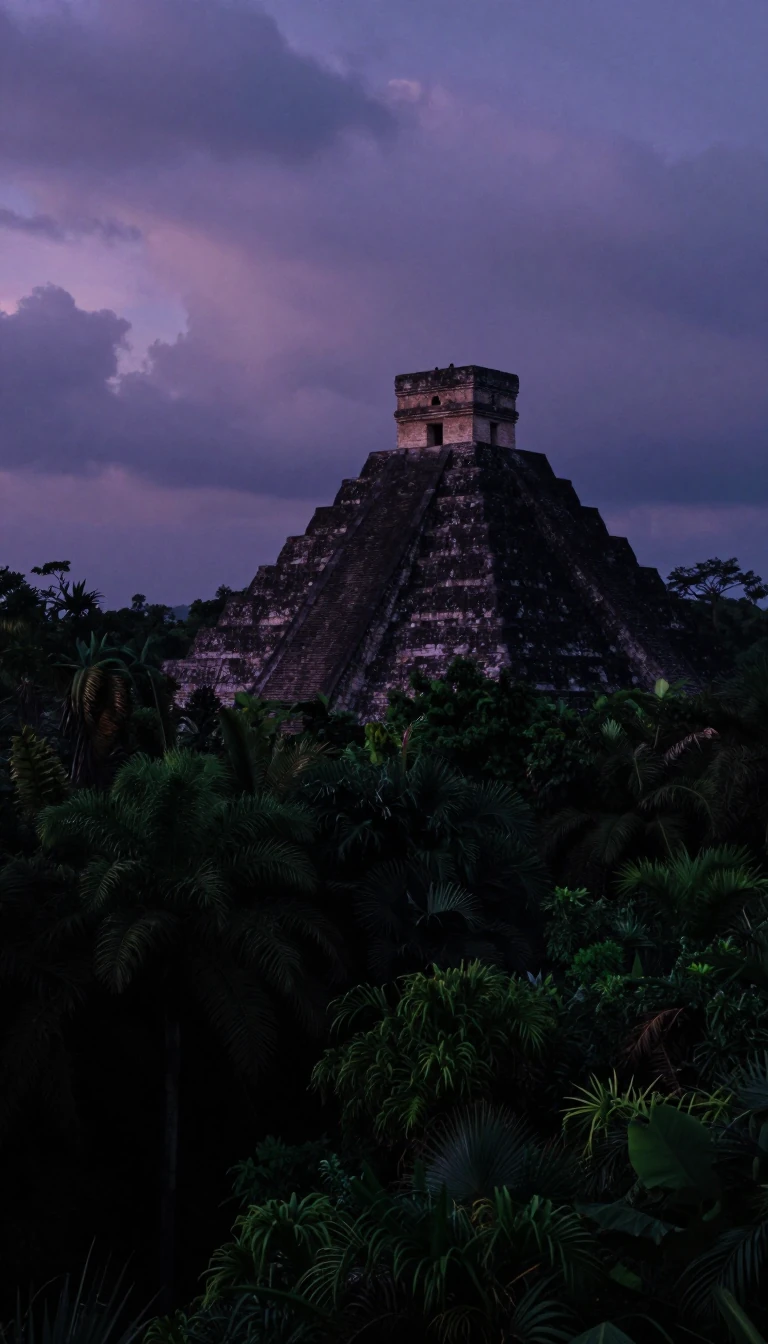
In short: El Castillo, the iconic step-pyramid of Chichen Itza, is more than a monument to the feathered serpent deity Kukulcán. Recent investigations reveal it sits directly atop a massive underground cenote, while its very architecture functions as an acoustic diffraction grating that mimics the call of a sacred bird.
Constructed by the Maya between the 8th and 12th centuries CE, El Castillo serves as a sophisticated example of Mesoamerican engineering. The structure is built upon a limestone layer roughly 16 feet thick, which rests directly above a large cenote—a natural sinkhole measuring approximately 82 by 114 feet and up to 65 feet deep. Archaeologists believe this placement was intentional, positioning the temple as an axis mundi, or the center of the world, aligned with four other cenotes at the cardinal points.
The temple's design incorporates complex astronomical and acoustic features. Its four stairways, each with 91 steps, total 365 when including the top platform, mirroring the days of the Haabʼ year. During the equinoxes, the sun casts shadows that create the illusion of a serpent descending the balustrade. Furthermore, the staircase acts as an acoustic diffraction grating; a handclap at the base produces a descending frequency sweep that researchers have compared to the call of the resplendent quetzal. While some suggest this effect was a deliberate design choice, others argue it is a byproduct of the staircase's periodic geometry.
Excavations in the 1930s revealed that El Castillo was built in phases, with an inner temple hidden within the outer shell. Inside, archaeologists discovered the 'Chamber of Sacrifices' and the 'Red Jaguar Throne,' a sculpture painted with cinnabar—a mercury sulfide pigment highly valued for its ritual significance. Recent use of electrical resistivity tomography has further confirmed at least two distinct construction phases, suggesting the site remained a sacred focal point for centuries. Since 2006, the National Institute of Anthropology and History has restricted public access to the chambers and staircases to preserve the integrity of these fragile, layered histories.
Opens the Intellect+ feed with this card first. Swipe up for the next one.
Sources
- Summary by Intellect · source: El Castillo, Chichen Itza
To cite this card, link to https://intellectplus.co.uk/app/places-el-castillo-chichen-itza.
How we source, check and correct cards: Editorial standards.
General information, not professional advice. Spotted an error? Flag the card or see corrections and complaints.
Intellect Plus is a visual educational discovery platform for exploring fascinating facts and ideas. Brain Food, Not Brain Rot. What is Intellect Plus?
Related
More in World Heritage Sites · More in Countries & Cities · Latest · A–Z · All topics
