Exeter: From a Roman military outpost to a modern, complex economic paradox
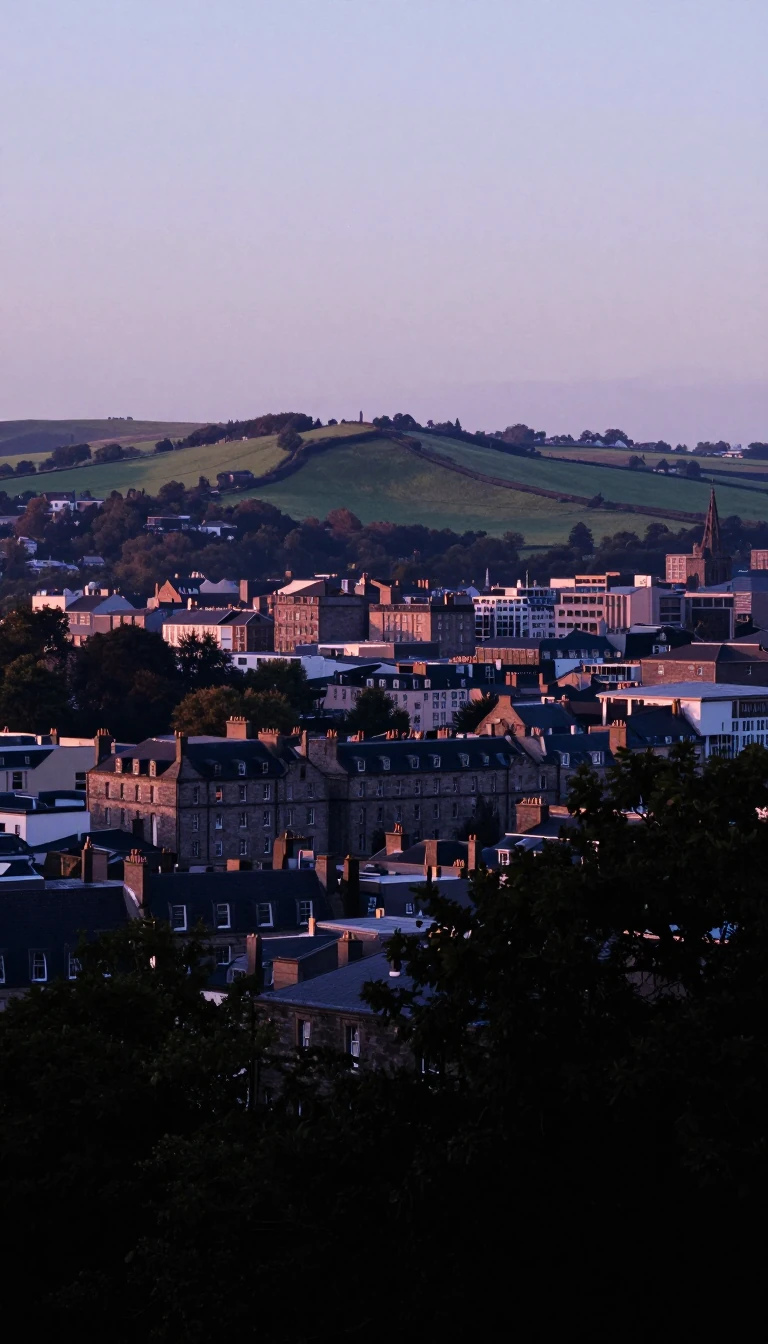
In short: Founded as a Roman fort in AD 55, Exeter has evolved from a medieval wool-trading hub into a contemporary city of contrasts. While it ranks highly for job opportunities and professional employment, it simultaneously struggles with stagnant living standards and pockets of relative poverty, revealing a city caught between history and growth.
Exeter’s origins trace back to the Roman fort of Isca Dumnoniorum, established around AD 55 to house the Second Augustan Legion. Built on a ridge overlooking the River Exe, the site served as a strategic military terminus. Following the Roman withdrawal around 410, the city transitioned through Saxon control, Viking sieges, and Norman conquest, eventually becoming a prosperous center for the wool trade by the early modern period. Its resilience is marked by its survival through the English Civil War and the Baedeker Blitz of World War II, which destroyed roughly 40 acres of the city center.
Today, the city presents a complex economic profile. In 2022, it generated £5.9 billion in gross value added, and it consistently ranks well for professional occupations, with 39% of its workforce in such roles—significantly higher than the national average of 26%. Yet, this success is tempered by broader challenges. A 2026 report from the Centre for Cities identified Exeter as one of the United Kingdom's worst performers for improving living standards between 2013 and 2023. Furthermore, economic indicators from 2023 onwards highlight issues such as low gross median weekly pay and a high percentage of children living in relative poverty.
The city is currently undergoing significant administrative change. With a 2024 population of 138,399, Exeter is set to become a unitary authority by 2028, absorbing parishes from surrounding districts. This shift reflects its status as a growing hub for education and tourism, even as it navigates the pressures of climate change—evidenced by recent record-breaking heatwaves—and a rising rate of rough sleeping. From its ancient roots as a fortified burh to its modern status as a UNESCO City of Literature, Exeter remains a vital, if contradictory, pillar of South West England.
Opens the Intellect+ feed with this card first. Swipe up for the next one.
Sources
- Summary by Intellect · source: Exeter
- Also: Wikidata — Exeter · CC0
- Also: Wikidata — Exeter · CC0
To cite this card, link to https://intellectplus.co.uk/app/places-exeter.
How we source, check and correct cards: Editorial standards.
General information, not professional advice. Spotted an error? Flag the card or see corrections and complaints.
Intellect Plus is a visual educational discovery platform for exploring fascinating facts and ideas. Brain Food, Not Brain Rot. What is Intellect Plus?
Related
More in UK & Irish cities · More in Countries & Cities · Latest · A–Z · All topics
