How a medieval market town became a global naval powerhouse and modern city
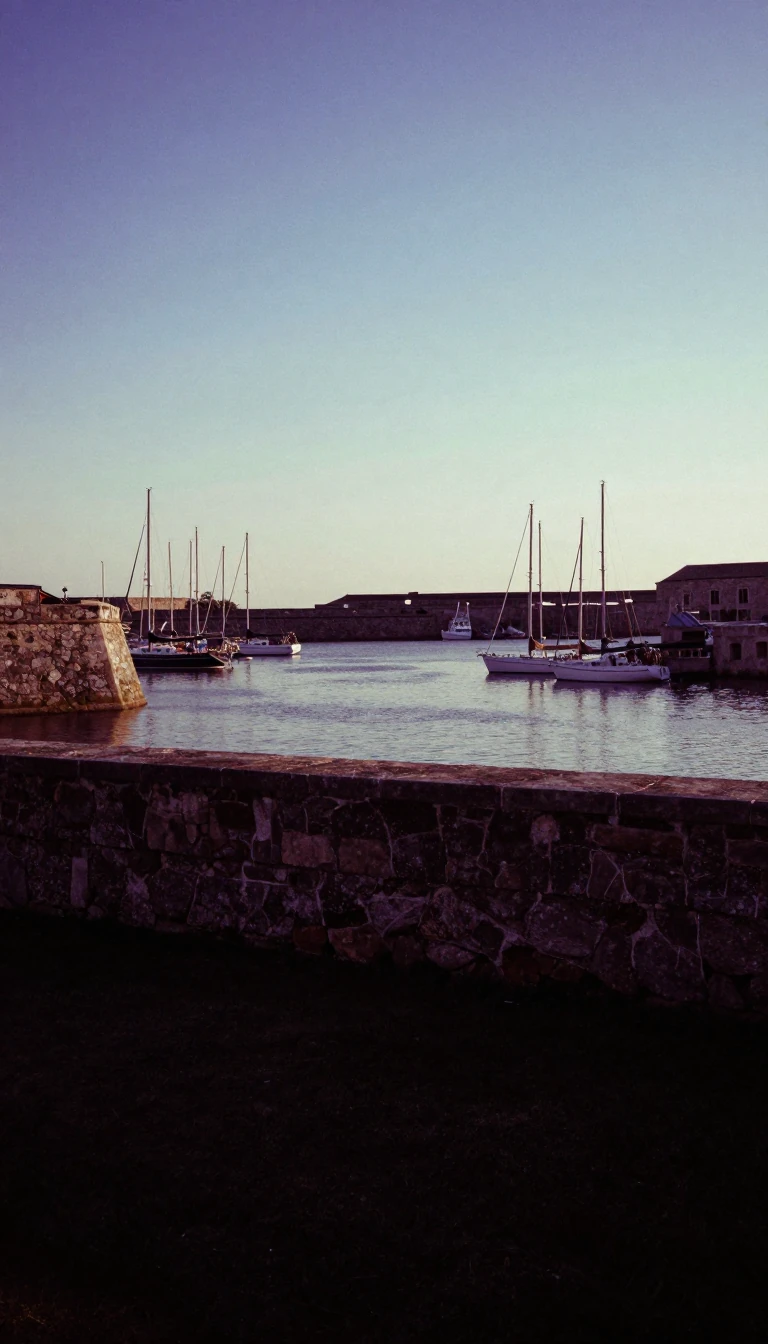
In short: Plymouth evolved from a Bronze Age trading post into a critical maritime hub, surviving the Spanish Armada and the devastation of the Blitz. Today, this Devon port city balances its deep-rooted naval history with a modern service economy, serving as a gateway to the Atlantic and a center for civic innovation.
Plymouth’s origins trace back to the Bronze Age, though it first gained formal recognition as the market town of Sutton. By 1439, it was incorporated as a borough and renamed Plymouth, marking the first time a borough charter was issued by Parliament rather than the monarch. Its strategic location between the rivers Plym and Tamar made it a natural choice for naval expansion, leading to the establishment of the Royal Navy dockyard in 1690. This site, later known as HMNB Devonport, grew to become the largest operational naval base in Western Europe.
The city’s history is defined by its maritime and military significance. It served as the departure point for the Pilgrim Fathers in 1620 and played a pivotal role in defeating the Spanish Armada in 1588. During the Second World War, Plymouth suffered the Plymouth Blitz, a series of 59 raids that destroyed over 3,700 houses and killed more than 1,000 civilians. The subsequent 1943 Plan for Plymouth, led by Sir Patrick Abercrombie, transformed the city from a dense, overcrowded urban center into a low-density, planned environment, prioritizing modern infrastructure and zoned reconstruction.
Today, Plymouth is a unitary authority with a population of 272,067 as of 2024. While its economy was historically grounded in shipbuilding, it has transitioned toward a service-based model since the 1990s. The city remains a significant cultural and educational hub, home to the University of Plymouth and governed by a council that manages its complex heritage, including the preservation of mid-20th-century architectural landmarks like the Civic Centre. Its identity remains inextricably linked to the sea, maintaining its status as a vital port with ferry connections to Brittany and Spain.
Opens the Intellect+ feed with this card first. Swipe up for the next one.
Sources
- Summary by Intellect · source: Plymouth
- Also: Wikidata — Plymouth · CC0
- Also: Wikidata — Plymouth · CC0
To cite this card, link to https://intellectplus.co.uk/app/places-plymouth.
How we source, check and correct cards: Editorial standards.
General information, not professional advice. Spotted an error? Flag the card or see corrections and complaints.
Intellect Plus is a visual educational discovery platform for exploring fascinating facts and ideas. Brain Food, Not Brain Rot. What is Intellect Plus?
Related
More in UK & Irish cities · More in Countries & Cities · Latest · A–Z · All topics
