Beyond the cat: why the diverse Feliformia suborder is more than just felines
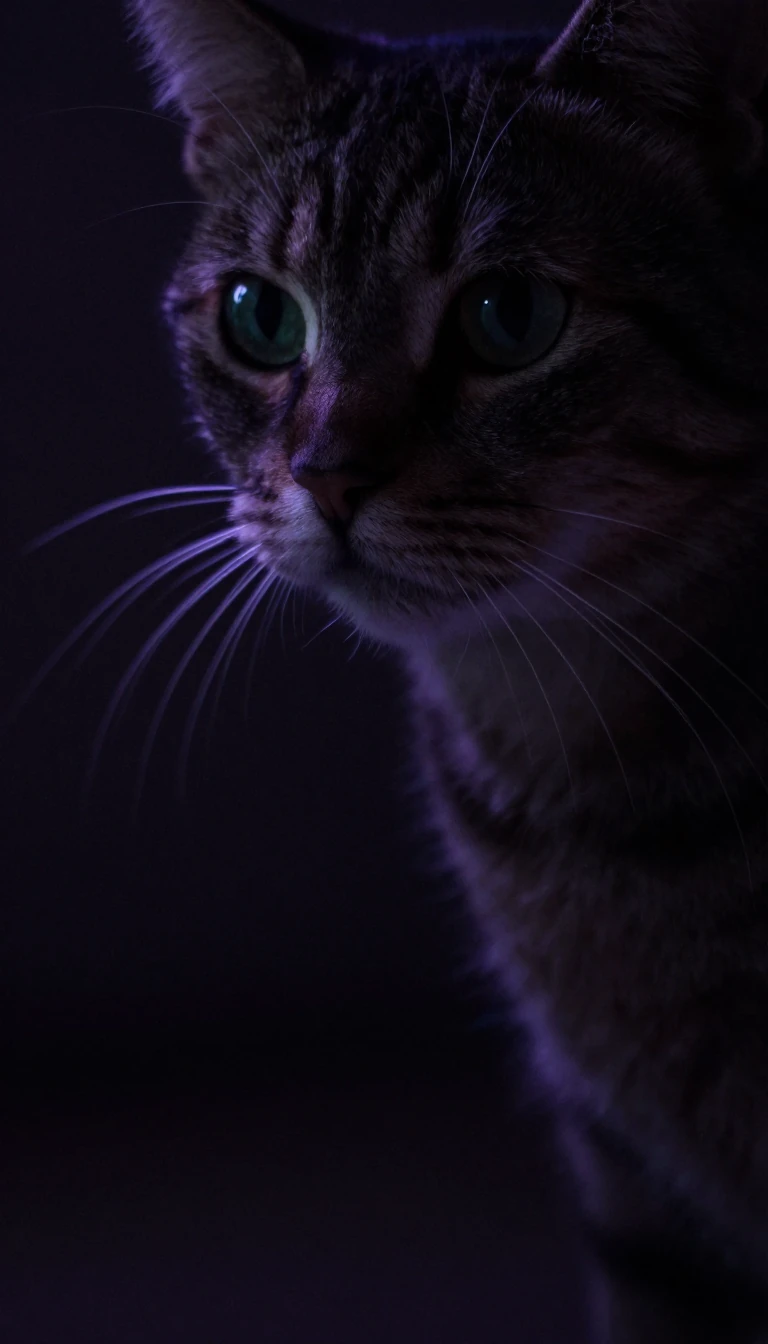
In short: While cats are the most famous members of the Feliformia suborder, this group includes hyenas, mongooses, and civets. Defined by unique double-chambered ear structures and specialized hunting traits, these cat-like carnivorans evolved from forest-dwelling ancestors millions of years ago, branching off from their dog-like cousins to dominate diverse ecological niches.
The suborder Feliformia, or cat-like carnivorans, represents one of the two primary branches of the order Carnivora. While they are often contrasted with the dog-like Caniformia, the distinction is rooted in specific anatomical traits. The most reliable diagnostic feature for extant feliforms is the auditory bulla—the bony capsule protecting the middle and inner ear—which is double-chambered and joined by a septum. In contrast, caniforms possess a single-chambered bulla. Feliforms also typically exhibit shorter rostrums, fewer teeth, and more specialized carnassials, favoring an ambush-hunting strategy over the opportunistic, omnivorous tendencies often seen in caniforms.
The evolutionary history of these animals traces back to the Middle Eocene, approximately 42 million years ago, when the ancestral miacids began to diverge into the two distinct suborders. Early feliforms remained largely forest-dwelling, arboreal, or semi-arboreal ambush hunters. Because these environments were less conducive to fossilization than open landscapes, the fossil record contains significant gaps, leaving the identity of a clear common ancestor for all feliform families elusive. While some extinct groups like the Nimravidae are often associated with feliforms, their classification remains debated due to the absence of the characteristic ossified bulla septum.
Today, the suborder comprises seven extant families, including Felidae, Hyaenidae, Herpestidae, Eupleridae, Nandiniidae, Prionodontidae, and Viverridae. These families display remarkable morphological diversity, ranging from the tiny black-footed cat to the powerful, long-distance running hyena. Some, like the Malagasy carnivorans in the family Eupleridae, demonstrate how a single ancestral lineage can radiate into varied forms, such as the fossa and the Malagasy mongoose, when isolated on an island like Madagascar. Despite these differences, molecular phylogenetic analyses confirm that all extant Feliformia form a monophyletic group, united by their shared evolutionary heritage.
The ecological range of feliforms is vast, spanning every continent except Australia and Antarctica. Their diets are equally varied, reflecting their adaptation to specific environments; while many are hypercarnivorous, others, such as the African palm civet, are primarily omnivorous. This adaptability, combined with traits like retractile claws and digitigrade locomotion, has allowed feliforms to persist and thrive as specialized predators across the globe.
Opens the Intellect+ feed with this card first. Swipe up for the next one.
Sources
- Summary by Intellect · source: Feliformia
- Also: Wikidata — Feliformia · CC0
To cite this card, link to https://intellectplus.co.uk/app/places-feliformia.
How we source, check and correct cards: Editorial standards.
General information, not professional advice. Spotted an error? Flag the card or see corrections and complaints.
Intellect Plus is a visual educational discovery platform for exploring fascinating facts and ideas. Brain Food, Not Brain Rot. What is Intellect Plus?
Related
More in Countries and other regions · More in Countries & Cities · Latest · A–Z · All topics
