The 'terrible' cat that stalked early hominids across ancient landscapes
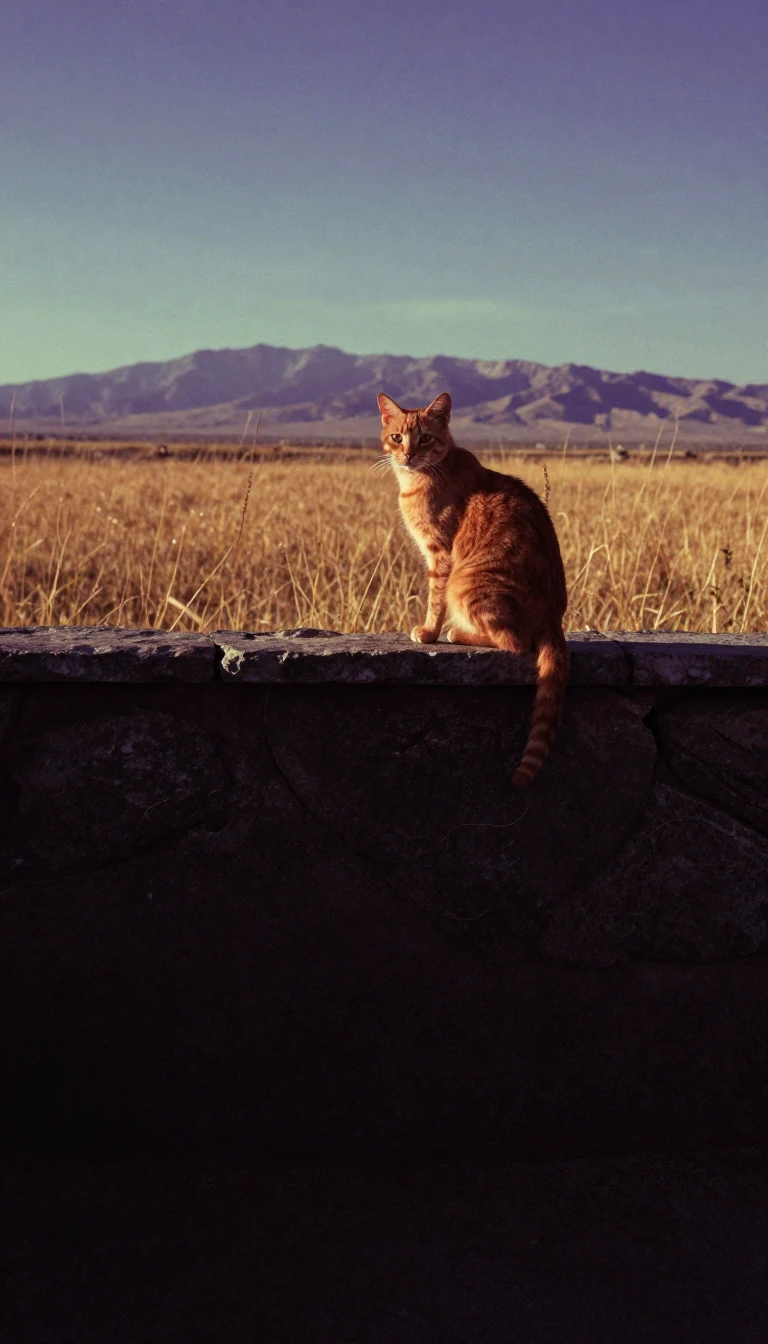
In short: Dinofelis was a widespread genus of machairodontine, or saber-toothed cat, that roamed across Europe, Asia, Africa, and North America for millions of years. While often associated with the hunting of early hominids, recent isotope analysis suggests these formidable predators may have preferred grazing animals over our distant ancestors.
First named by Otto Zdansky in 1924, Dinofelis represents a complex genus of extinct felids that thrived from the early Pliocene to the early Pleistocene, roughly 5 million to 1.2 million years ago. Some fossils from Lothagam suggest the lineage may extend back as far as 8 million years into the Late Miocene. These cats were remarkably diverse in size, ranging from dimensions comparable to small pumas or large lynx to massive individuals weighing approximately 149 kg, similar to a large jaguar.
The genus is defined by a unique dental morphology: their canine teeth are more flattened and elongated than those of modern big cats, yet they lack the extreme development seen in other classic saber-toothed species. Their cheek teeth were relatively small, and their phylogenetic placement remains a subject of active debate. While traditionally classified within the tribe Metailurini, recent analyses have contested this, with some studies positioning Dinofelis as a sister taxon to Rhizosmilodon. The genus includes numerous species, such as the large Dinofelis aronoki and the notably saber-toothed Dinofelis piveteaui.
Dinofelis occupied a niche in mixed habitats rather than strictly open grasslands or dense forests. Their relationship with early hominids is particularly intriguing; fossil sites in South Africa have revealed Dinofelis remains alongside Australopithecus africanus and Paranthropus skulls, some of which bear puncture marks consistent with the cat's canine spacing. However, carbon isotope studies from Swartkrans suggest that while these cats were present, they were likely not the primary predators of hominids, as other carnivores like leopards and Megantereon show stronger dietary evidence for such prey. Ultimately, the gradual loss of their preferred forest environments at the onset of the ice age is believed to have driven the genus to extinction.
Opens the Intellect+ feed with this card first. Swipe up for the next one.
Sources
- Summary by Intellect · source: Dinofelis
To cite this card, link to https://intellectplus.co.uk/app/nature-dinofelis.
How we source, check and correct cards: Editorial standards.
General information, not professional advice. Spotted an error? Flag the card or see corrections and complaints.
Intellect Plus is a visual educational discovery platform for exploring fascinating facts and ideas. Brain Food, Not Brain Rot. What is Intellect Plus?
Related
More in Vertebrates · More in Nature · Latest · A–Z · All topics
