A remote volcanic archipelago with a history of pirates, prisoners, and scientific discovery.
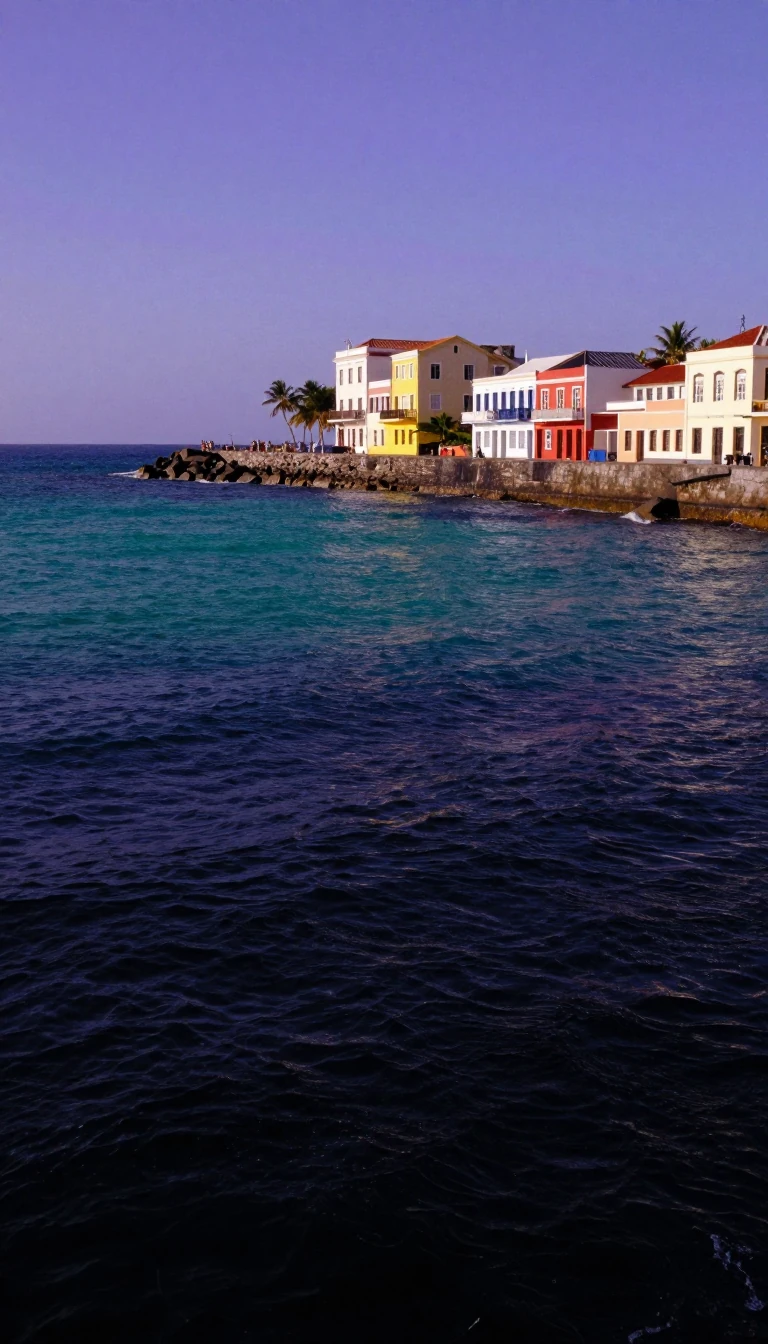
In short: Located 191 nautical miles off the Brazilian coast, Fernando de Noronha is a 21-island volcanic chain that has served as a strategic outpost for centuries. From its early days as a colonial captaincy and pirate hideout to its role in wartime aviation and modern conservation, this archipelago remains uniquely isolated.
The origins of Fernando de Noronha are shrouded in cartographic mystery. While the 1503 expedition of Gonçalo Coelho is traditionally credited with its discovery, earlier maps like the 1502 Cantino planisphere depict an island named Quaresma, leading some historians to speculate that previous, unrecorded voyages—perhaps by the Third India Armada or a 1501 mapping mission—reached the archipelago first. By 1504, King Manuel I of Portugal had granted the island as a hereditary captaincy to the merchant Fernão de Loronha, whose agents used it as a central hub for the brazilwood trade.
Beyond its commercial beginnings, the archipelago has played a pivotal role in global navigation and science. In 1832, the HMS Beagle, carrying Charles Darwin, stopped at the island to calibrate chronometers and resolve long-standing discrepancies in South American longitude. Darwin, who explored the island's dense forests, later documented its geology in his scientific writings. The island's strategic value persisted into the 20th century; during World War II, the United States constructed an airport there to facilitate the Natal-Dakar air route, a vital link for Allied operations in Africa.
Today, the archipelago is a protected UNESCO World Heritage Site, with 70% of its area designated as a national marine park since 1988. This status reflects its ecological importance as a critical feeding ground for tuna, sharks, and sea turtles, as well as its high population of resident spinner dolphins. The islands are also a biological laboratory, hosting several endemic species, including the Noronha vireo and the Noronha skink. Administered directly by the state of Pernambuco, the archipelago balances its delicate ecosystem with the demands of modern tourism, remaining a rare, preserved fragment of the Atlantic.
Opens the Intellect+ feed with this card first. Swipe up for the next one.
Sources
- Summary by Intellect · source: Fernando de Noronha
- Also: Wikidata — Fernando de Noronha · CC0
- Also: Wikidata — Fernando de Noronha · CC0
To cite this card, link to https://intellectplus.co.uk/app/places-fernando-de-noronha.
How we source, check and correct cards: Editorial standards.
General information, not professional advice. Spotted an error? Flag the card or see corrections and complaints.
Intellect Plus is a visual educational discovery platform for exploring fascinating facts and ideas. Brain Food, Not Brain Rot. What is Intellect Plus?
Related
More in Islands · More in Countries & Cities · Latest · A–Z · All topics
