Fakaofo: A remote Pacific atoll with a history of shifting names and identities
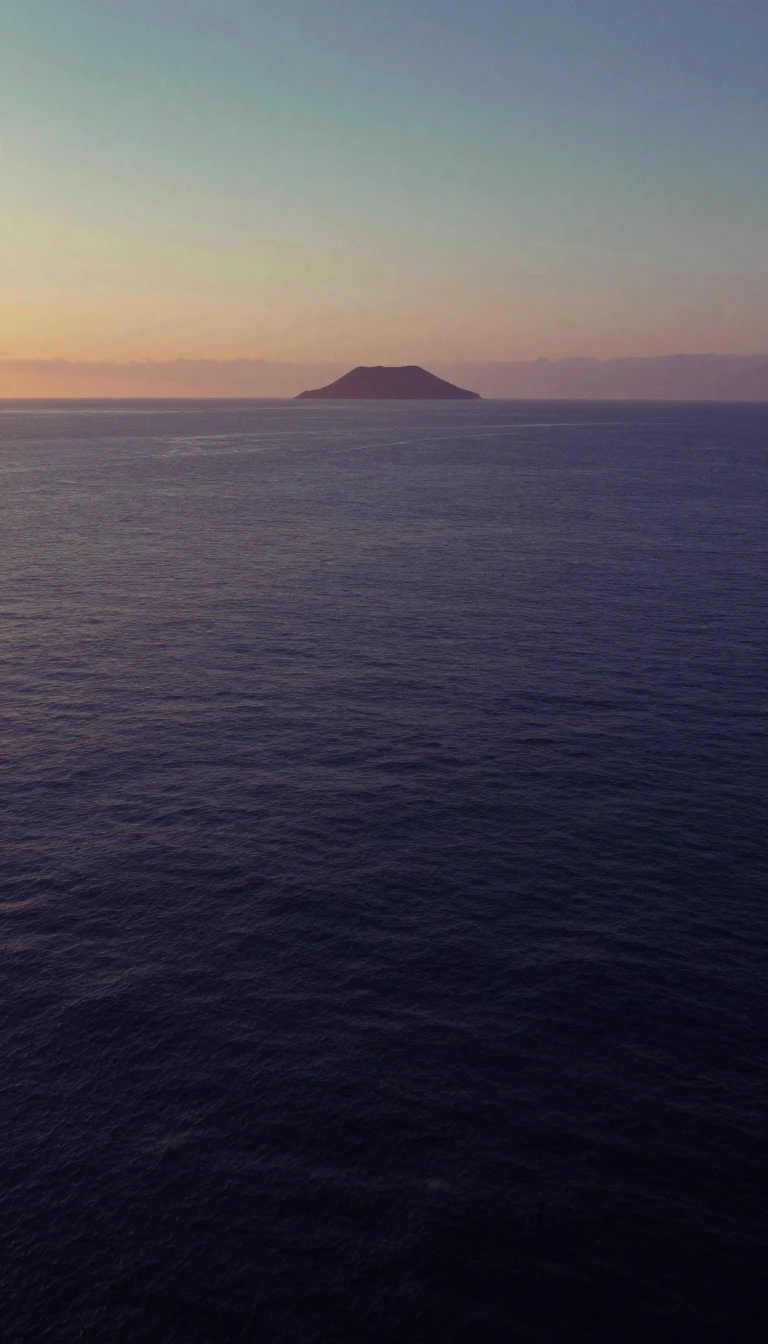
In short: Deep in the South Pacific lies Fakaofo, a tiny atoll with a land area of just three square kilometres. Once known as Bowditch Island, this remote outpost has been shaped by colonial claims, religious shifts, and a unique cultural heritage that includes the worship of a deity represented by coral.
Fakaofo is a coral atoll in the Tokelau group, featuring a central lagoon spanning 45 square kilometres. Its geography is defined by a series of islets, including Fale, where the primary settlement resides, and Fenua Fala, which has hosted a second village since 1960. The atoll's governance is distinct, featuring a Council of Elders comprised of citizens aged 60 and older. Culturally, the island maintains a connection to its past through a coral slab monument dedicated to Tui Tokelau, a deity formerly worshipped by the islanders.
The island's history is marked by a series of external encounters and naming conventions. In 1835, the crew of the whale ship General Jackson first spotted the island, initially calling it DeWolf Island. By 1838, it was renamed Bowditch Island in honour of Nathaniel Bowditch, an American navigator famous for his navigation encyclopedia. This name change occurred during the United States Exploring Expedition, led by Lieutenant Charles Wilkes. Interestingly, Charles Erskine, writing in his memoir, claimed the inhabitants lacked knowledge of fire, a detail he believed was unique in the historical record.
Political sovereignty over Fakaofo has shifted significantly over the last two centuries. Great Britain claimed the island in 1889 as part of the Union Islands, which were later annexed to the Gilbert and Ellice Islands colony in 1916. By 1925, administration was transferred to New Zealand. Although the United States never pursued claims under the Guano Island Act for Fakaofo, it formally relinquished any potential claims in 1979 via the Treaty of Tokehega. Today, the island faces modern environmental challenges; residents have built five-metre high concrete walls around one of their islets to defend against the threat of rising sea levels.
Opens the Intellect+ feed with this card first. Swipe up for the next one.
Sources
- Summary by Intellect · source: Fakaofo
- Also: Wikidata — Fakaofo · CC0
- Also: Wikidata — Fakaofo · CC0
To cite this card, link to https://intellectplus.co.uk/app/places-fakaofo.
How we source, check and correct cards: Editorial standards.
General information, not professional advice. Spotted an error? Flag the card or see corrections and complaints.
Intellect Plus is a visual educational discovery platform for exploring fascinating facts and ideas. Brain Food, Not Brain Rot. What is Intellect Plus?
Related
More in Islands · More in Countries & Cities · Latest · A–Z · All topics
