When a Caribbean city vanished in seconds, modern volcanology was born from the ashes.
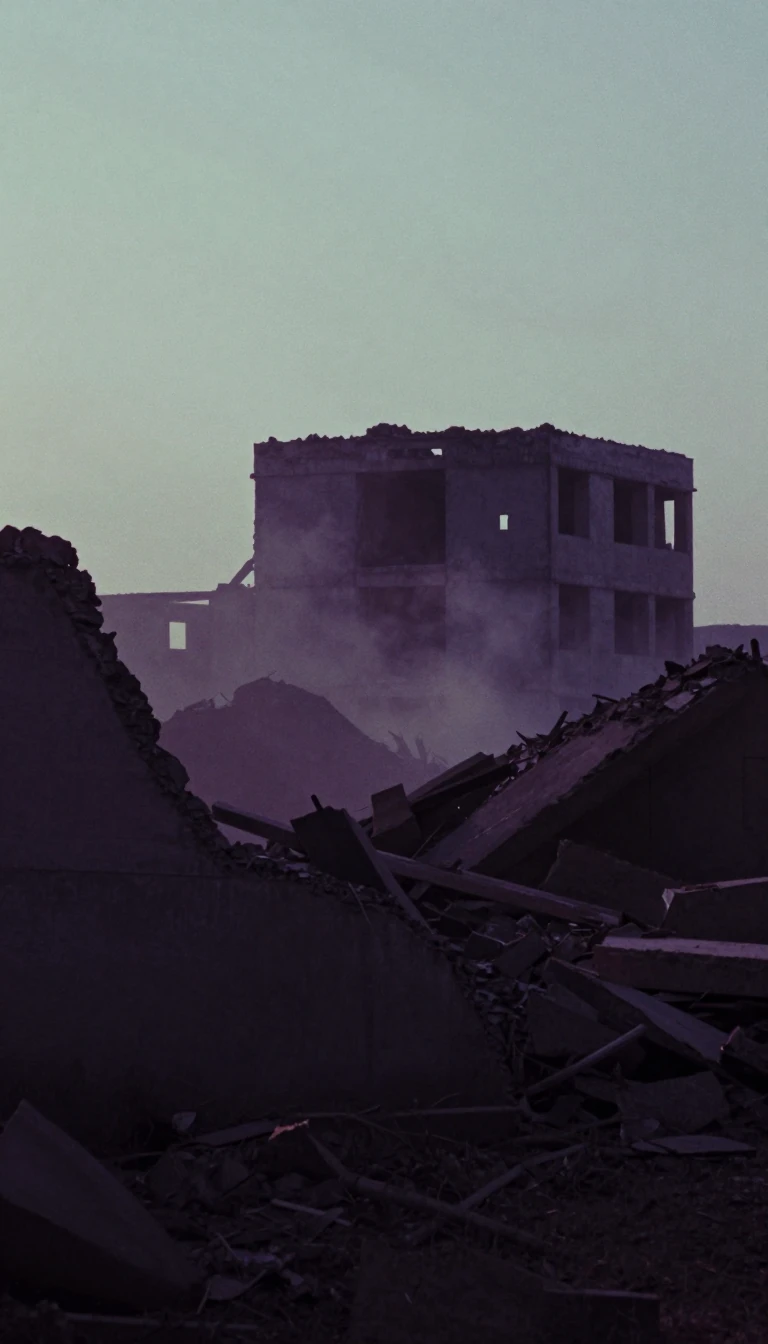
In short: On May 8, 1902, a ground-hugging cloud of superheated gas and ash obliterated Saint-Pierre, Martinique, in under a minute. The disaster killed nearly 28,000 people, leaving only a few survivors. This catastrophic event forced scientists to define the deadliest of all volcanic hazards: the pyroclastic flow.
Mount Pelée had signaled its unrest for weeks before the final destruction. As early as April 23, 1902, phreatic eruptions began, dusting the island with ash and cinders. By early May, the situation escalated; a mudflow on May 5 destroyed a sugar mill and killed 150 people. Despite the mounting danger, local authorities and newspapers insisted Saint-Pierre remained safe, even as refugees flooded the city to escape the surrounding countryside. Many residents were lulled into a false sense of security by the eruption of Soufrière on nearby Saint Vincent, mistakenly believing the pressure on Pelée was being relieved.
At 8:00 a.m. on May 8, the mountain ripped open. A pyroclastic surge—a dense, ground-hugging cloud of incandescent lava particles and searing gases—raced down the slope at speeds exceeding 160 km/h. With temperatures surpassing 1,075 °C, the surge reached the city in just two minutes, instantly igniting everything combustible. The destruction was near-total; the city’s population of 28,000 was almost entirely wiped out. Only a few individuals, such as the prisoner Ludger Sylbaris, who was protected by his windowless jail cell, survived the immediate blast.
The tragedy did not end there. On May 20, a second eruption killed 2,000 rescuers and mariners, and an August 30 event claimed at least 800 more lives. The eruption continued until October 5, 1905, and included the growth of a massive lava spine known as the 'Needle of Pelée,' which reached 300 meters in height before collapsing. The scientific analysis of this disaster, led by researchers like Alfred Lacroix, fundamentally changed our understanding of volcanoes. By defining the 'nuée ardente' or pyroclastic flow, the 1902 eruption marked the birth of modern volcanology, shifting global awareness toward the true hazards posed by active volcanic peaks.
Opens the Intellect+ feed with this card first. Swipe up for the next one.
Sources
- Summary by Intellect · source: 1902 eruption of Mount Pelée
- Also: www.history.com — Mount Pelée begins to erupt, burying Caribbean city | May 8, 1902 | HISTORY
To cite this card, link to https://intellectplus.co.uk/app/history-1902-eruption-of-mount-pel-e.
How we source, check and correct cards: Editorial standards.
General information, not professional advice. Spotted an error? Flag the card or see corrections and complaints.
Intellect Plus is a visual educational discovery platform for exploring fascinating facts and ideas. Brain Food, Not Brain Rot. What is Intellect Plus?
Related
More in Modern (1800-1945) · More in History · Latest · A–Z · All topics
