A graveyard of galleons and a kingdom of salt
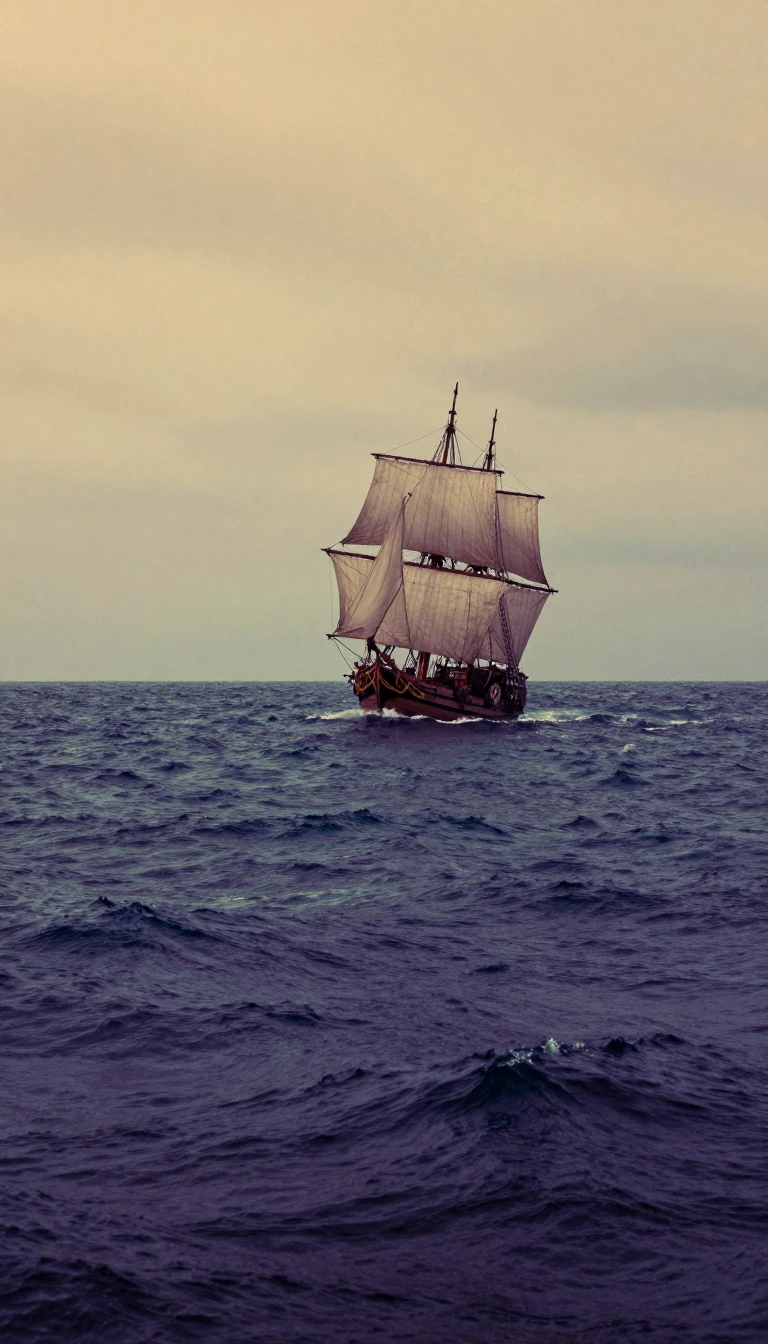
In short: For centuries, the reefs of Inagua served as a treacherous end for some of the world's most valuable treasure ships. Today, that same landscape fuels one of North America's largest solar saline operations, transforming a site of maritime tragedy into a modern industrial powerhouse.
Inagua, the southernmost district of the Bahamas, has a long history of maritime interaction and resource extraction. Originally settled by the Lucayan people between 500 and 800 CE, the islands were later encountered by the Spanish. While Inagua (Small Eastern Island) and Baneque (Big Water Island) possess Lucayan roots, the title 'Heneagua' might originate from a Spanish phrase indicating 'water is to be found there'.
Between 1500 and 1825, the island's reefs became a graveyard for treasure-laden vessels. Notable wrecks include the Spanish galleons Santa Rosa (1599) and Infanta (1788), as well as the French Le Count De Paix (1713) and British ships HMS Lowestoffe (1801) and HMS Statira (1815). By the 1600s, the island's economy shifted toward salt production for Spanish colonies, a business that flourished until 1918, when competition and lower prices drove small producers out of the market.
The modern industrial era began in 1935 when the Erickson brothers purchased the abandoned salt works from the British government. This transition was marked by local tension and a 1937 riot that killed an employee and forced the Ericksons to flee temporarily. By the mid-1950s, Morton Salt acquired the works, establishing an operation with over 80 salt ponds. Today, the facility in Matthew Town produces one million tonnes of sea salt annually, making it the second-largest solar saline operation in North America.
Beyond industry, Inagua holds cultural and ecological significance. It features a summer retreat built by Henri Christophe, king of northern Haiti (1811–1820), who is rumored to have buried a gold cache there. The island also serves as a vital sanctuary, hosting over 80,000 West Indian flamingoes and a national reserve for studying green sea turtles.
Opens the Intellect+ feed with this card first. Swipe up for the next one.
Sources
- Summary by Intellect · source: Inagua
To cite this card, link to https://intellectplus.co.uk/app/wars-inagua.
How we source, check and correct cards: Editorial standards.
General information, not professional advice. Spotted an error? Flag the card or see corrections and complaints.
Intellect Plus is a visual educational discovery platform for exploring fascinating facts and ideas. Brain Food, Not Brain Rot. What is Intellect Plus?
Related
More in Early modern wars · More in Wars & Conflicts · Latest · A–Z · All topics
