How Rockstar built a 36-square-kilometre digital replica of 1990s California and Nevada
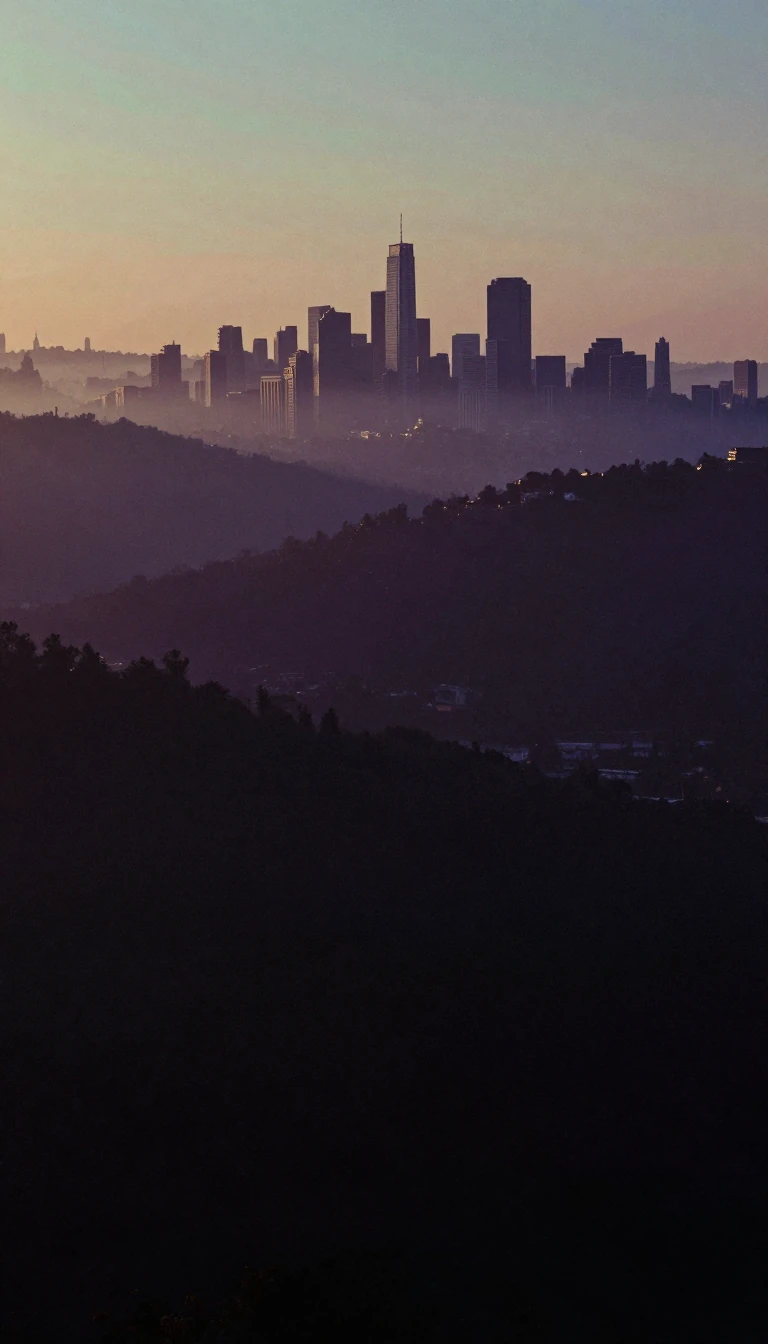
In short: Released in 2004, Grand Theft Auto: San Andreas transformed the open-world genre by stitching together three distinct metropolitan cities into one massive, cohesive map. By blending real-world cultural research with ambitious technical design, the developers created a living, breathing simulation that remains a landmark in video game history.
The fictional state of San Andreas was designed to capture the essence of the American West Coast in 1992. Rockstar North’s development team, which grew to 75 people, spent nearly two years crafting the world. They drew direct inspiration from real locations: Los Santos mirrored Los Angeles, San Fierro reflected San Francisco, and Las Venturas was modeled after Las Vegas. To ensure authenticity, the team conducted on-site research, taking thousands of photographs and videos to inform the game's textures and atmosphere. Art director Aaron Garbut noted that capturing the specific feel of Los Angeles gang territories was particularly challenging without first-hand experience.
Technically, the game was a leap forward for the series. Built on the RenderWare engine, the world spanned 36 square kilometres—four to six times larger than its predecessors. The developers rewrote the render pipeline to support 35–50% more polygons, volumetric lighting, and real-time reflections. To maintain performance on the PlayStation 2, the team used about 16,000 unique objects and shared low-detail models for buildings, allowing players to traverse the map without loading screens. This technical foundation enabled new gameplay features, including swimming, flying, and diverse vehicle modifications like hydraulics and nitrous oxide.
The narrative was deeply rooted in 1990s cultural touchstones, including the 1992 Los Angeles riots, the crack epidemic, and the Rampart scandal. To ground the story, Rockstar collaborated with Los Angeles natives like DJ Pooh, who helped shape the game's portrayal of street culture. The script was massive, featuring over 60,000 lines of dialogue and a record-breaking 861 credited actors. By casting the relatively unknown Young Maylay as the protagonist Carl 'CJ' Johnson, the developers sought to create a character who felt profoundly human, balancing the game's satirical take on American consumerism with a gritty, personal story of family, betrayal, and redemption.
Despite its critical acclaim, the game was not without controversy or technical strain. Reviewers praised its ambition but noted issues with frame rates and pop-up graphics. The discovery of the hidden 'Hot Coffee' minigame briefly forced a re-rating to Adults Only, and some developers expressed concerns about the intense, 17-hour-per-day 'crunch' periods required to finish the project. Nevertheless, with over 27.5 million copies sold, it stands as one of the most significant titles of the sixth console generation.
Opens the Intellect+ feed with this card first. Swipe up for the next one.
Sources
- Summary by Intellect · source: Grand Theft Auto: San Andreas
- Also: Wikidata — Grand Theft Auto: San Andreas · CC0
- Also: Wikidata — Grand Theft Auto: San Andreas – The Definitive Edition · CC0
To cite this card, link to https://intellectplus.co.uk/app/places-grand-theft-auto-san-andreas.
How we source, check and correct cards: Editorial standards.
General information, not professional advice. Spotted an error? Flag the card or see corrections and complaints.
Intellect Plus is a visual educational discovery platform for exploring fascinating facts and ideas. Brain Food, Not Brain Rot. What is Intellect Plus?
Related
More in Famous landmarks · More in Countries & Cities · Latest · A–Z · All topics
