Can a 17th-century fortress survive the rapid urban expansion of modern Macau?
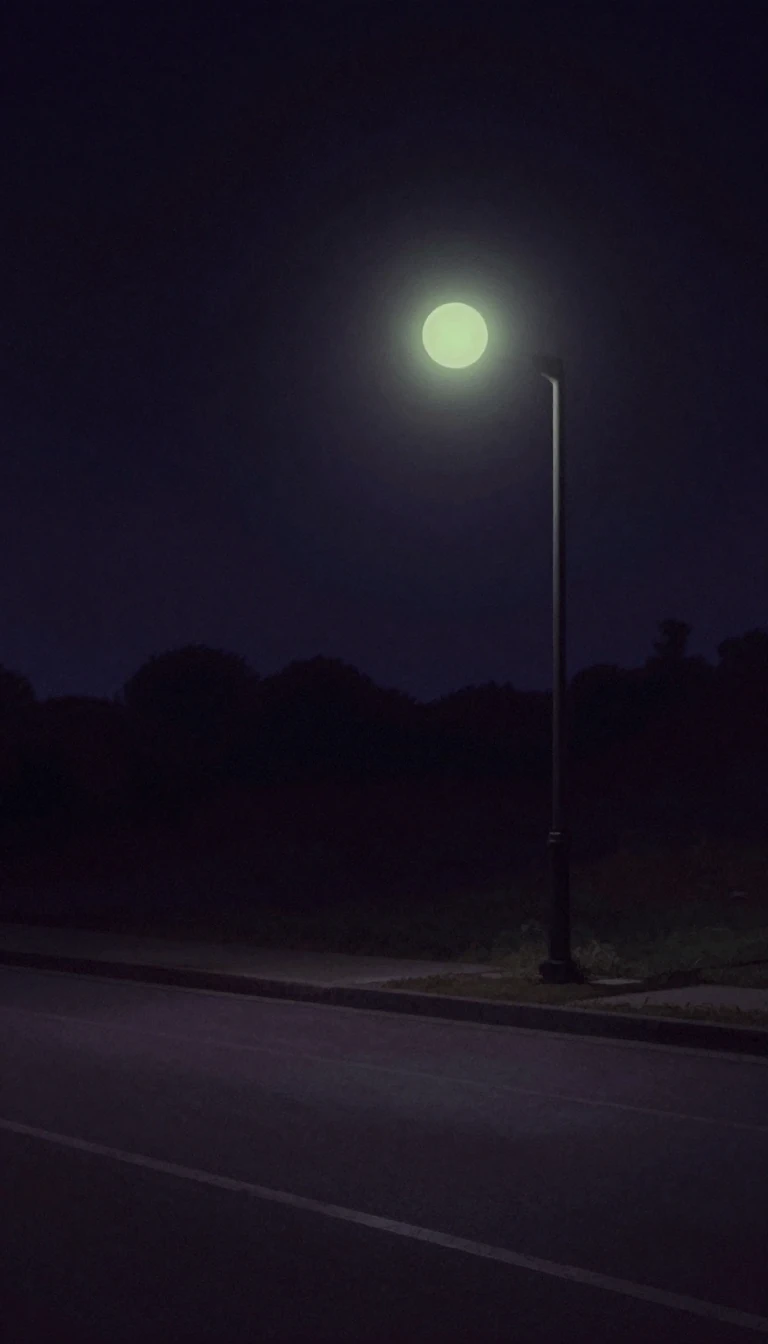
In short: Perched atop Guia Hill, the Guia Lighthouse has served as a beacon since 1865. While it remains a protected UNESCO World Heritage site, its historic silhouette is now caught in a tense tug-of-war between preservationists and the relentless pressure of urban development in one of the world's densest cities.
Constructed between 1622 and 1638, the Guia Fortress was originally a strategic military asset designed to defend Macau against naval incursions, including a notable Dutch attempt to seize the territory. The complex, which includes a chapel built around 1622, represents a unique fusion of colonial history and local culture. In 1998, conservation efforts within the chapel revealed rare frescoes that blend Western and Chinese artistic themes, underscoring the site's cultural significance.
The lighthouse itself, added to the site between 1864 and 1865, holds the distinction of being the first Western-style lighthouse on the China coast. Standing 91.4 metres above sea level, it was designed to be visible for 20 miles in clear conditions. However, its status as a landmark is increasingly contested. Since 2010, the view of the fortress has been obstructed by the Liaison Office of the Central People's Government, a structure that has become a flashpoint for debates regarding urban planning and heritage conservation.
The conflict escalated in 2007 when local residents petitioned UNESCO over height restrictions, prompting the government to issue new regulations. Despite these measures, critics—including scholars like Ming K. Chan and Eilo Yu—argue that the government has consistently prioritized development over protection. In 2015, the New Macau Association reported that ongoing construction projects continue to threaten the integrity of the site. By 2016, further controversy arose when the government approved an 81-metre residential project that appeared to violate established height limits, leaving UNESCO to seek further clarification from Chinese authorities regarding the site's future.
This ongoing struggle highlights the difficulty of maintaining historical landmarks within rapidly growing urban environments. As Macau continues to evolve, the Guia Lighthouse serves as a poignant symbol of the tension between honoring a colonial past and accommodating the demands of a modern, high-density metropolis. The site remains a focal point for those questioning whether heritage can truly be protected when it stands in the way of progress.
Opens the Intellect+ feed with this card first. Swipe up for the next one.
Sources
- Summary by Intellect · source: Guia Fortress
To cite this card, link to https://intellectplus.co.uk/app/places-guia-lighthouse.
How we source, check and correct cards: Editorial standards.
General information, not professional advice. Spotted an error? Flag the card or see corrections and complaints.
Intellect Plus is a visual educational discovery platform for exploring fascinating facts and ideas. Brain Food, Not Brain Rot. What is Intellect Plus?
Related
More in World Heritage Sites · More in Countries & Cities · Latest · A–Z · All topics
