Why this tiny Chinese island bans all cars and celebrates the piano above all
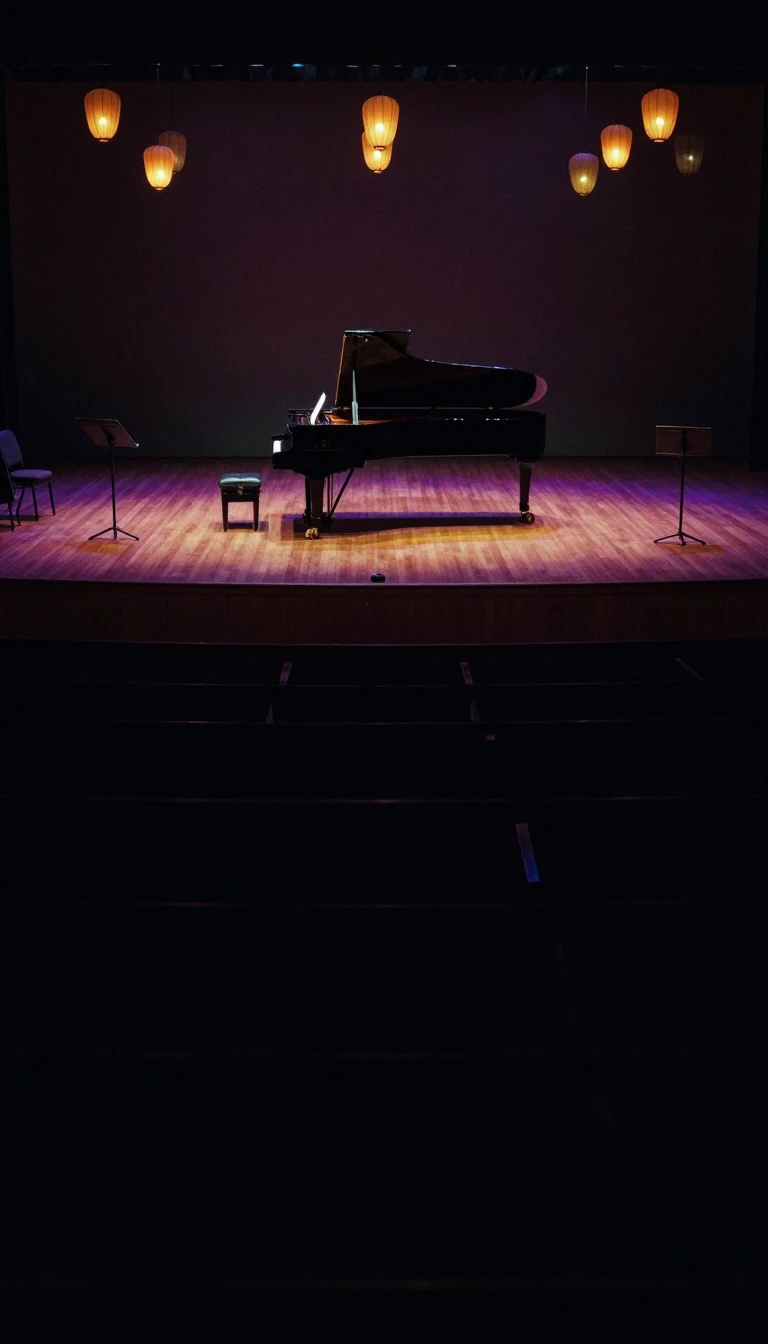
In short: Gulangyu is a pedestrian-only sanctuary where the sound of ocean waves hitting reefs inspired its name. Beyond its winding lanes and Victorian architecture, this UNESCO World Heritage site holds a unique musical legacy, earning it the nickname Piano Island, with more pianos per capita than anywhere else in China.
Located off the coast of Xiamen, the 1.88 square kilometer island of Gulangyu serves as a living museum of a complex colonial past. Following the First Opium War and the 1842 Treaty of Nanking, the island became an international settlement. By May 1902, the Qing government formally approved Land Regulations that allowed 13 countries, including Great Britain, the Netherlands, and Japan, to establish extraterritorial privileges. This era left behind a distinct architectural landscape, featuring consulates, churches, and schools that reflect a fusion of Victorian and global styles.
The island's cultural identity shifted significantly in the 1900s as the spread of Christianity introduced Western music to the local population. This influence, combined with the island's unique atmosphere, fostered a deep devotion to classical music. Today, Gulangyu is home to over 200 pianos and China's only piano museum. The local passion for the instrument is so profound that in 2002, the Chinese Musicians' Association officially designated it the Island of Music. The island has produced many of China's most celebrated classical musicians, including Yin Chengzong and Xu Feiping.
Today, Gulangyu is a UNESCO World Heritage Site and a 5A tourist attraction that draws over 10 million visitors annually. To preserve its character, the island maintains a strict ban on cars and bicycles. Transportation is limited to small electric buggies and government service vehicles, while freight is still moved by hand-pulled wooden carts. This commitment to a car-free environment, combined with its rich history and artistic heritage, makes it a singular destination within China, distinct from the urban bustle of Xiamen Island just across the Lujiang River.
Opens the Intellect+ feed with this card first. Swipe up for the next one.
Sources
- Summary by Intellect · source: Gulangyu
- Also: Wikidata — Gulangyu · CC0
To cite this card, link to https://intellectplus.co.uk/app/places-gulangyu.
How we source, check and correct cards: Editorial standards.
General information, not professional advice. Spotted an error? Flag the card or see corrections and complaints.
Intellect Plus is a visual educational discovery platform for exploring fascinating facts and ideas. Brain Food, Not Brain Rot. What is Intellect Plus?
Related
More in World Heritage Sites · More in Countries & Cities · Latest · A–Z · All topics
