Hegra: The Nabataean Kingdom's Southern Capital Carved Into Saudi Arabian Sandstone
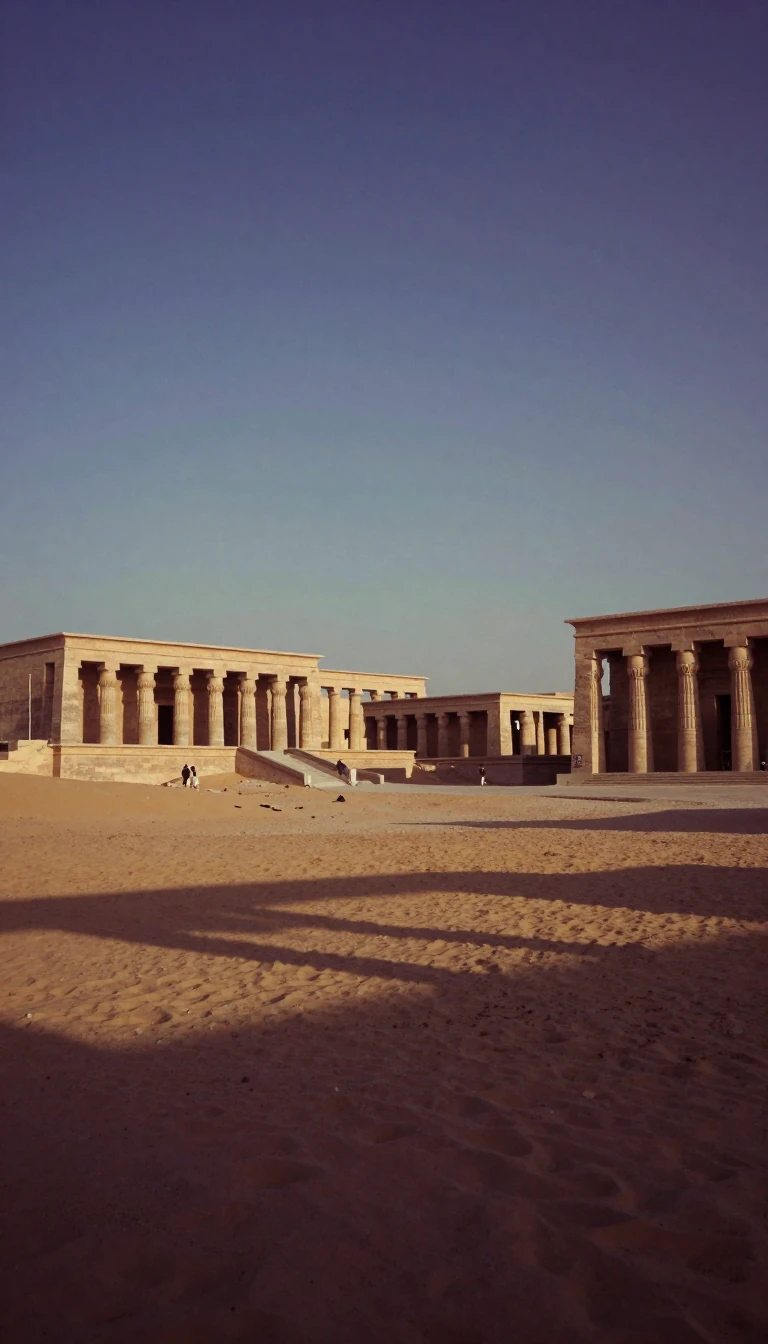
In short: Known as the Capital of Monuments, Hegra features over 130 monumental rock-cut tombs with elaborate façades. Once a vital trade hub for incense and spices, this ancient oasis city remains a testament to Nabataean engineering, blending diverse cultural influences into a desert landscape that was later annexed by the Roman Empire.
Located in the Medina Province of Saudi Arabia, Hegra—also called Mada'in Salih—served as the second-largest city of the Nabataean Kingdom, trailing only the famous capital of Petra in modern-day Jordan. The site flourished during the 1st century AD under King Aretas IV Philopatris, who utilized the region's unique sandstone outcrops to carve a vast necropolis. These structures, which include 131 monumental tombs, showcase a fusion of artistic styles, incorporating motifs from Egypt, Phoenicia, Assyria, and Hellenistic Alexandria alongside native Nabataean designs.
The city's survival in an arid environment with less than 50 mm of annual rainfall was made possible by sophisticated hydrological management. The Nabataeans exploited a natural drainage gully and a shallow water table, digging over 130 wells to sustain an oasis that supported agriculture, including date palms, wheat, and barley. This strategic location at the crossroads of major trade routes allowed the kingdom to maintain a lucrative monopoly on incense, myrrh, and spices until the Roman Empire annexed the territory in 106 AD.
Following the Roman annexation, Hegra became a provincial center, evidenced by Latin inscriptions and the presence of the Legio III Cyrenaica. While the city eventually declined as trade shifted to maritime Red Sea routes, its legacy persisted through Islamic history as a station on the Hajj pilgrimage road. In 2008, UNESCO designated Hegra as Saudi Arabia's first World Heritage Site, recognizing its exceptional preservation and the extensive picture it provides of Nabataean life, from its monumental rock-cut architecture to the remnants of its residential mudbrick zones.
Opens the Intellect+ feed with this card first. Swipe up for the next one.
Sources
- Summary by Intellect · source: Hegra
- Also: Wikidata — Hegra · CC0
- Also: Wikidata — Hegra · CC0
To cite this card, link to https://intellectplus.co.uk/app/places-hegra.
How we source, check and correct cards: Editorial standards.
General information, not professional advice. Spotted an error? Flag the card or see corrections and complaints.
Intellect Plus is a visual educational discovery platform for exploring fascinating facts and ideas. Brain Food, Not Brain Rot. What is Intellect Plus?
Related
More in World Heritage Sites · More in Countries & Cities · Latest · A–Z · All topics
