Why the City of Kings was paved with silver for its colonial viceroys
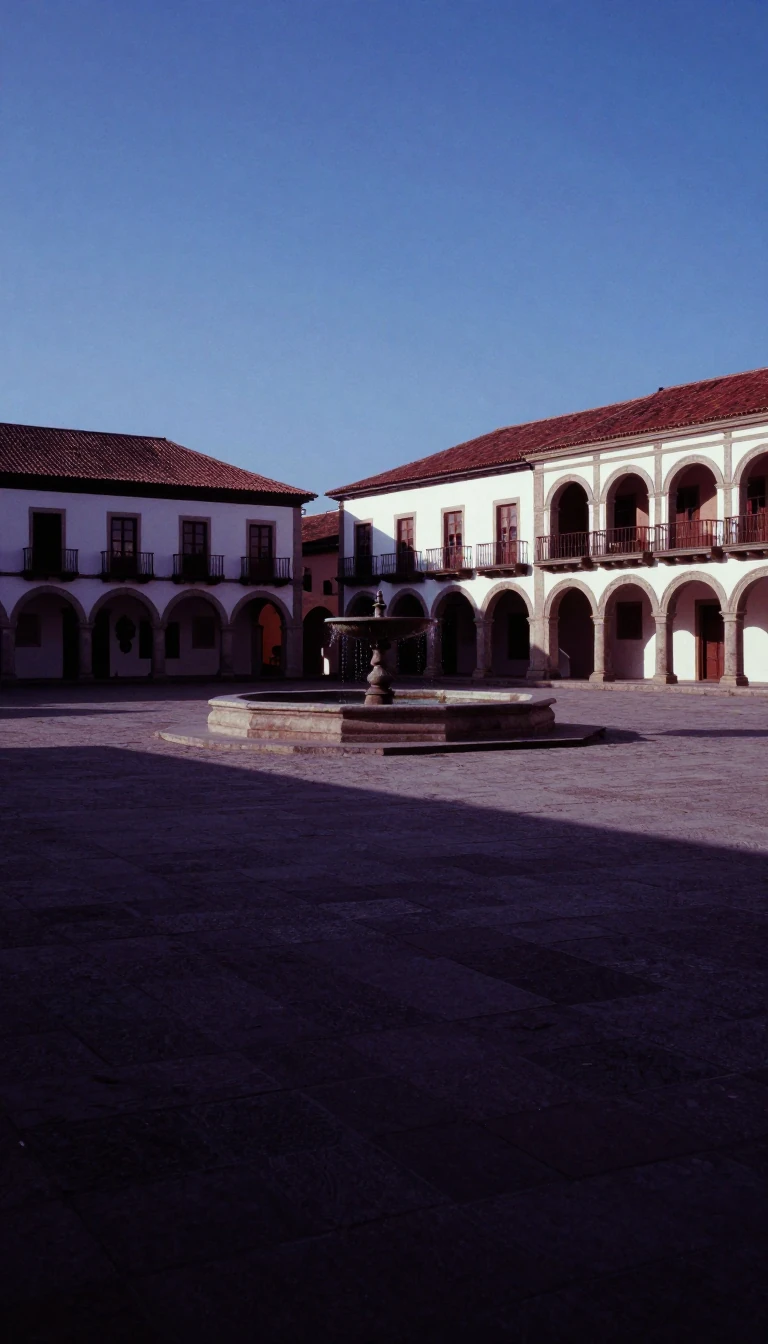
In short: Founded by Francisco Pizarro in 1535, Lima served as the administrative heart of Spanish South America. Beyond its grand architecture, the city once displayed its immense colonial wealth through lavish displays, including paving streets with silver bars to welcome new viceroys into the capital of the Viceroyalty of Peru.
Established on 18 January 1535, Lima was originally named the City of the Kings. Its etymology remains a subject of debate, with theories pointing to the Aymara word for yellow flower or the Quechuan term for talker, which also names the nearby Rímac River. As the seat of the Viceroyalty of Peru, the city became a hub for religious orders and academic life, notably hosting the University of San Marcos, which began operations in 1553.
The city’s urban layout underwent a significant transformation in 1862 when it adopted a naming project proposed by Manuel Atanasio Fuentes. Streets were renamed after the country's departments and provinces, replacing individual names with a structured system centered on Union Street. Despite this, the historic centre has retained its character, surviving numerous earthquakes that have tested its architectural resilience over the centuries.
Today, the area is protected as a UNESCO World Heritage Site, a designation that began with the Convent of San Francisco in 1988 and expanded in 1991 to cover the broader historic centre. Recent efforts, such as the 2021 installation of QR codes on landmarks and the 2024 announcement of a special restoration regime, aim to preserve this heritage. In 2023, the site grew further to include the Ancient Reduction of Santiago Apostle of Cercado and the Quinta and Molino de Presa.
Management of this cultural treasure involves complex administrative layers, from the 1972 establishment of the Monumental Zone to the 1998 Master Plan. Restoration projects, including the recovery of traditional street signs and the cleaning of building façades, reflect an ongoing commitment to maintaining the city's identity. As of 2026, local authorities have even begun sanctioning political events that threaten the integrity of these protected historic spaces.
Opens the Intellect+ feed with this card first. Swipe up for the next one.
Sources
- Summary by Intellect · source: Historic Centre of Lima
- Also: Wikidata — Historic Centre of Lima · CC0
To cite this card, link to https://intellectplus.co.uk/app/places-historic-centre-of-lima.
How we source, check and correct cards: Editorial standards.
General information, not professional advice. Spotted an error? Flag the card or see corrections and complaints.
Intellect Plus is a visual educational discovery platform for exploring fascinating facts and ideas. Brain Food, Not Brain Rot. What is Intellect Plus?
Related
More in World Heritage Sites · More in Countries & Cities · Latest · A–Z · All topics
