Manu National Park spans from Andean peaks to the heart of the Amazon basin.
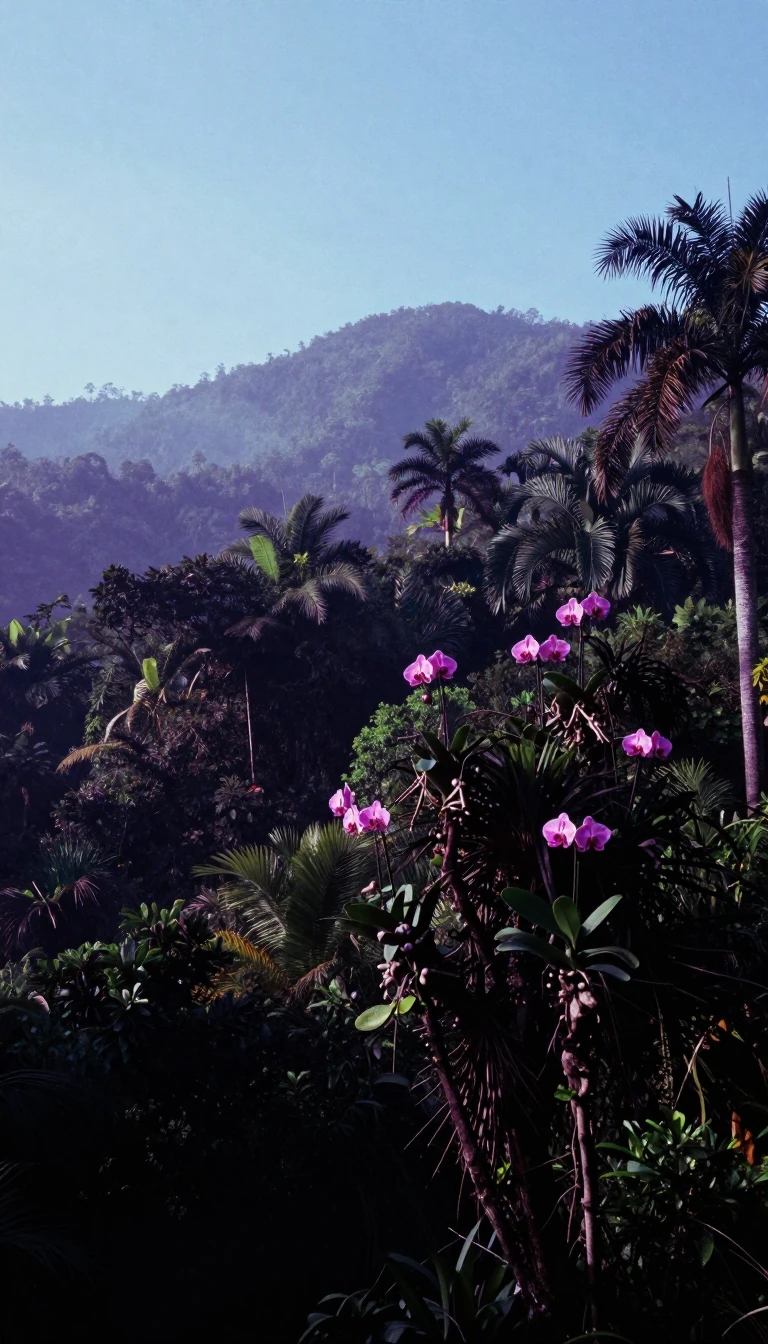
In short: Spanning over 1.7 million hectares in Peru, Manu National Park is a biological powerhouse. It protects a staggering range of ecosystems, from high-altitude Andean grasslands to dense lowland rainforests. This vast, protected landscape serves as a critical refuge for thousands of species and several indigenous groups living in voluntary isolation.
Established by decree in 1973 during the dictatorship of General Juan Velasco, Manu National Park has evolved into a global conservation landmark. UNESCO designated it a Biosphere Reserve in 1977 and a World Heritage Site in 1987. The park’s geography is defined by extreme verticality, stretching from elevations near 4000 meters down to the Amazon basin plains. This dramatic topography creates a highly variable climate; while the lowland rainforest maintains a mean annual temperature of 25.6 °C, the Andean zone averages a chilly 8 °C. Precipitation is equally varied, ranging from 1500 mm in the southern mountains to over 8000 mm in the northwest.
The park’s biodiversity is immense, encompassing 4385 identified plant species across 162 families. Researchers have reported over 1000 bird species, 160 mammal species, and hundreds of amphibians and reptiles. The park is divided into four distinct zones to manage this complexity: the restricted use zone for research and native communities, the reserved zone for recreation, the recuperation zone for ecological recovery, and the cultural zone for human settlement and tourism. Access to the park’s diverse interior is primarily facilitated by the 190-kilometre Manu road, which connects the highlands to the lowlands.
Human presence in the park is as diverse as its ecology. Native groups including the Yora, Mashco-Piro, Matsiguenka, Harakmbut, and Yine reside within its borders, alongside groups living in voluntary isolation. For visitors, the park offers five designated areas for wildlife observation, featuring infrastructure such as camping sites, lodges, and a canopy walkway. Scientific inquiry remains a cornerstone of the park’s mission, with numerous research centers operating within or near its boundaries to study its vast, protected wilderness.
Opens the Intellect+ feed with this card first. Swipe up for the next one.
Sources
- Summary by Intellect · source: Manu National Park
- Also: Wikidata — Manu National Park · CC0
To cite this card, link to https://intellectplus.co.uk/app/places-manu-national-park.
How we source, check and correct cards: Editorial standards.
General information, not professional advice. Spotted an error? Flag the card or see corrections and complaints.
Intellect Plus is a visual educational discovery platform for exploring fascinating facts and ideas. Brain Food, Not Brain Rot. What is Intellect Plus?
Related
More in World Heritage Sites · More in Countries & Cities · Latest · A–Z · All topics
