Hurricane Isaias defied meteorologists by maintaining its strength over the rugged terrain of Hispaniola
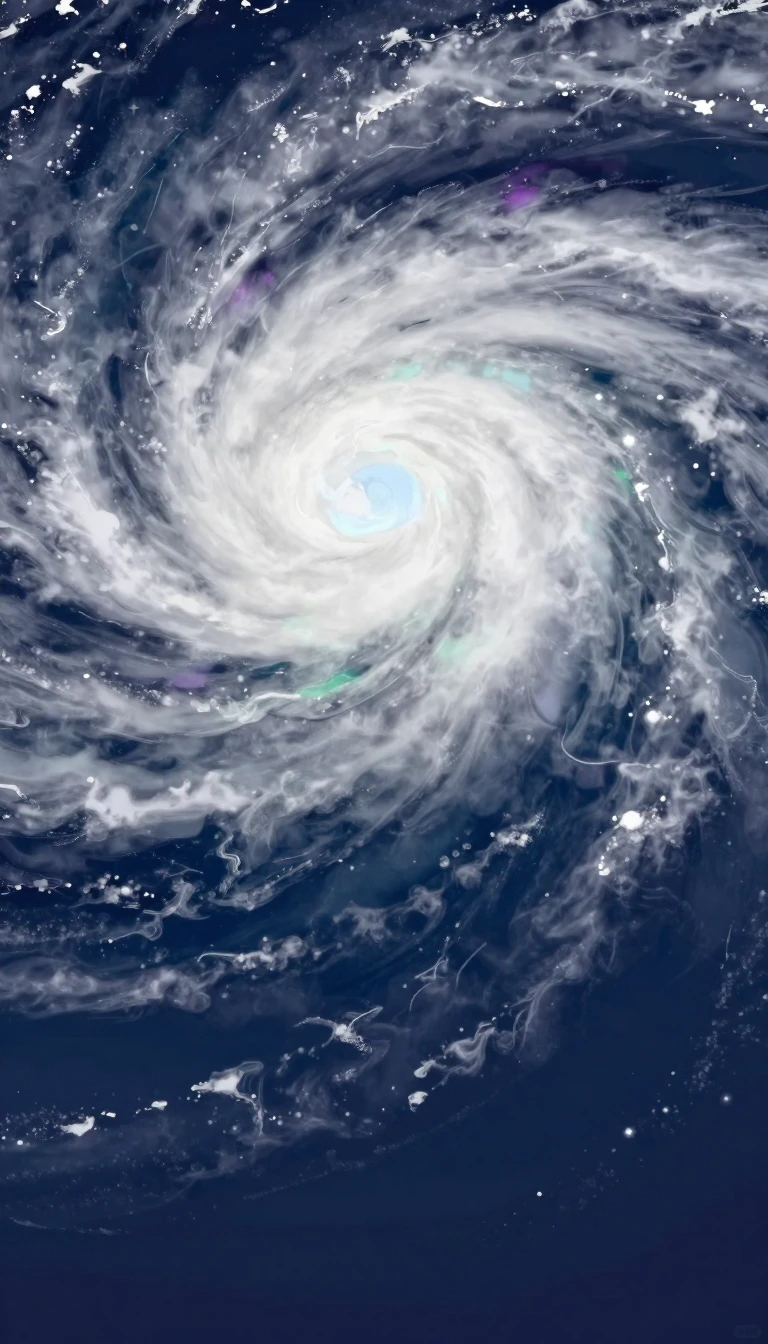
In short: In 2020, Hurricane Isaias broke records as the earliest ninth named storm in Atlantic history. While experts expected the mountainous landscape of the Dominican Republic to weaken the cyclone, it instead generated a fresh low-pressure system, allowing the storm to persist and eventually devastate the U.S. East Coast.
Originating from a tropical wave identified off the African coast on July 23, 2020, Isaias rapidly organized into a tropical storm by July 30. Its survival over Hispaniola surprised forecasters, as the island's high elevation typically disrupts such systems. Instead of dissipating, the storm established a secondary circulation center to the north, preserving its intensity as it moved toward the Bahamas and the United States. This resilience set the stage for a destructive path that spanned from the Caribbean to Quebec.
The storm's impact was widespread, causing 17 total deaths and approximately $5.025 billion in damages. In Puerto Rico, the storm exacerbated existing drought conditions but left 448,000 residents without electricity and 150,000 without water. As it tracked up the U.S. East Coast, it triggered over 2.7 million power outages. The Northeastern United States suffered the brunt of the financial impact, with $3.5 billion of the total $4.8 billion in U.S. damages occurring in that region alone, marking it as the costliest storm there since Hurricane Sandy in 2012.
Beyond wind and flooding, Isaias spawned a significant tornado outbreak, with 109 warnings issued across 12 states. Among these was an EF3 tornado in Bertie County, North Carolina, which leveled homes and caused two fatalities. This twister was the most powerful ever recorded from a tropical cyclone since Hurricane Rita in 2005. The storm's rapid acceleration and interaction with a cold front enhanced wind shear, creating conditions that fueled these intense, localized weather events as the system moved toward its final dissipation over Quebec on August 5.
The 2020 season was notably active, and Isaias stood out for its unusual behavior and the logistical challenges it posed during the COVID-19 pandemic. Governments across the East Coast, including Florida, New Jersey, and New York, declared states of emergency, closing testing sites and parks to prepare. Despite the destruction, the World Meteorological Organization did not retire the name Isaias, a decision shared with other 2020 storms like Sally, Delta, and Zeta.
Opens the Intellect+ feed with this card first. Swipe up for the next one.
Sources
- Summary by Intellect · source: Hurricane Isaias (2020)
To cite this card, link to https://intellectplus.co.uk/app/places-hurricane-isaias-2020.
How we source, check and correct cards: Editorial standards.
General information, not professional advice. Spotted an error? Flag the card or see corrections and complaints.
Intellect Plus is a visual educational discovery platform for exploring fascinating facts and ideas. Brain Food, Not Brain Rot. What is Intellect Plus?
Related
More in Cities · More in Countries & Cities · Latest · A–Z · All topics
