Why a city in India remains a point of contention for Pakistan today
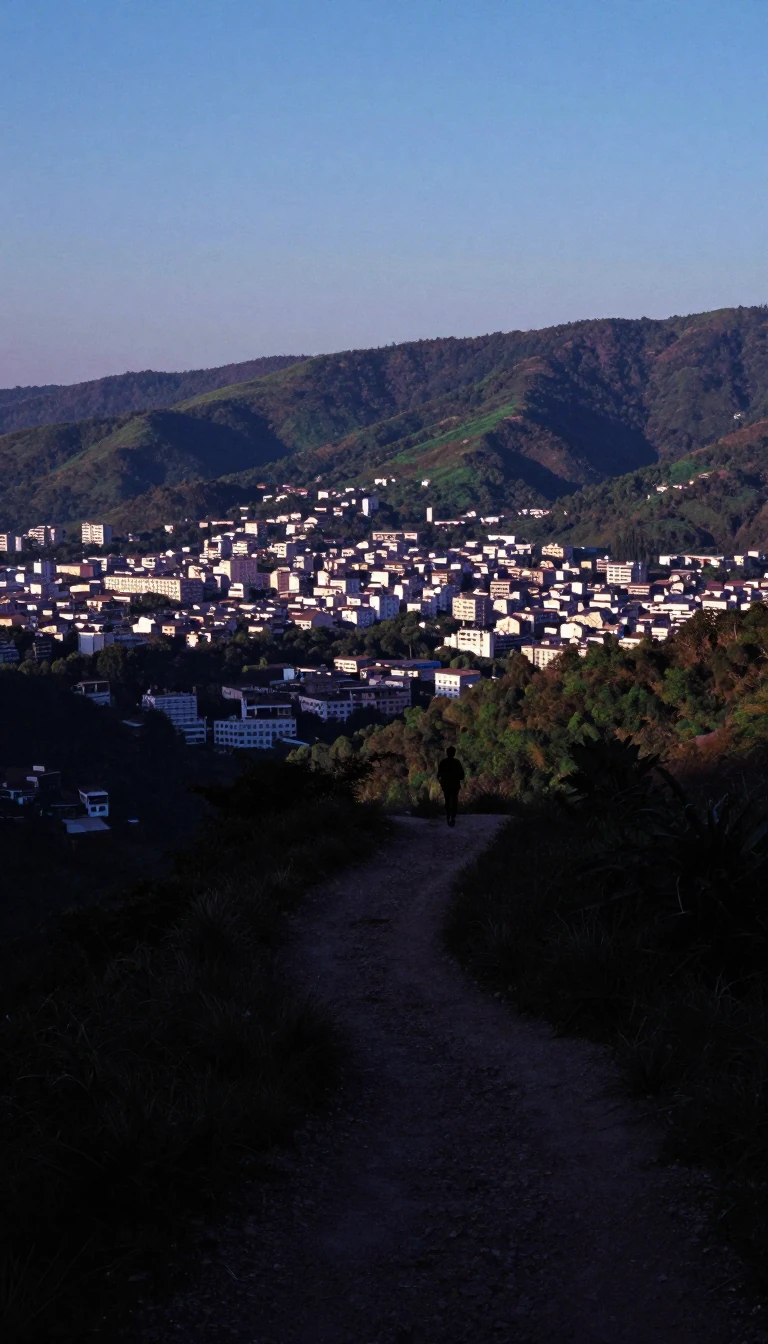
In short: Junagadh, an ancient city nestled at the foot of the Girnar hills, holds a history of shifting empires and architectural marvels. Yet, its most enduring mystery is modern: despite acceding to India in 1947, the city remains a formal territorial claim on Pakistan's official political map to this day.
The name Junagadh, meaning 'Old Fort' in Sanskrit, reflects its deep antiquity. Its centerpiece, the Uparkot Fort, was established in 319 BCE by the Mauryan ruler Chandragupta. The site is a palimpsest of religious and political history, featuring 250 BCE rock edicts from Emperor Ashoka, Buddhist and Jain caves, and later Sanskrit inscriptions from the Saka ruler Rudradaman I. Over a millennium, the fort endured sixteen sieges, including one that lasted twelve years, before being captured by the Gujarat Sultan Mahmud Begada in 1472.
By the 18th century, the city became the seat of the Babi dynasty, Pashtun rulers who governed under British suzerainty. This status quo shattered during the 1947 partition of India and Pakistan. Nawab Mohammad Mahabat Khanji III, ruling a state with a 96% Hindu population, signed an instrument of accession to Pakistan. The decision triggered immediate chaos: local leaders formed a government-in-exile, and India imposed a blockade, citing the lack of a common border and the potential for communal violence.
The Nawab fled to Pakistan in October 1947, and his administration invited India to take control the following month. A subsequent plebiscite in 1948 resulted in an almost unanimous vote to join India. While the region was integrated into the Indian state of Saurashtra and later Gujarat, the geopolitical echoes of 1947 persist. In 2020, the Pakistani government formally revived its claim over Junagadh, cementing the city's status as a unique, lingering relic of the partition era.
Today, Junagadh is a bustling municipality of over 319,000 people, serving as a gateway to the Gir hills, the only remaining habitat for wild lions in India. It remains a seismically active region, prone to earthquakes, and a center for trade and agriculture. Despite its modern development, the city's layers—from ancient Buddhist caves to the 16th-century Egyptian cannons at Uparkot—ensure that its past is never truly buried.
Opens the Intellect+ feed with this card first. Swipe up for the next one.
Sources
- Summary by Intellect · source: Junagadh
- Also: Junagadh | Historic City, Ancient Monuments & Forts | Britannica
- Also: Wikidata — Junagadh · CC0
To cite this card, link to https://intellectplus.co.uk/app/places-junagadh.
How we source, check and correct cards: Editorial standards.
General information, not professional advice. Spotted an error? Flag the card or see corrections and complaints.
Intellect Plus is a visual educational discovery platform for exploring fascinating facts and ideas. Brain Food, Not Brain Rot. What is Intellect Plus?
Related
More in Asia · More in Countries & Cities · Latest · A–Z · All topics
