The Ancient African Capital That Once Rivaled the Great Powers of the Nile
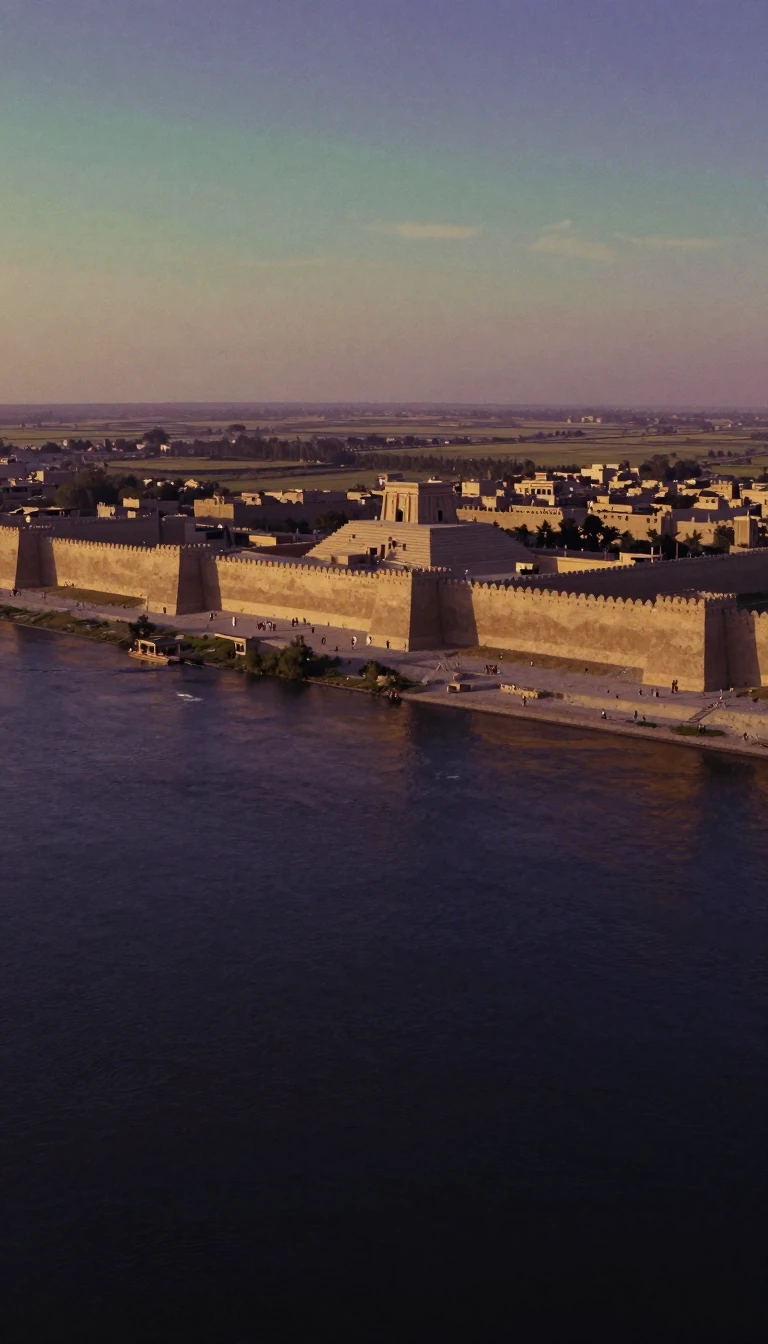
In short: Deep in the Sudanese desert lies Meroë, a once-thriving capital of the Kingdom of Kush. Flourishing for nearly a millennium, this sophisticated state left behind a sprawling landscape of over two hundred pyramids. Discover how this desert city exerted its influence and why its legacy remains a marvel of history.
Located on the eastern bank of the Nile, approximately 200 km north-east of modern-day Khartoum, Meroë served as the capital of the Kingdom of Kush from around 590 BC until its eventual decline in the 4th century AD. The city occupied a strategic position on the edge of the Butana region, a territory bounded by the Nile, the Atbarah, and the Blue Nile rivers. This area, often referred to as the Island of Meroë, was the heart of a highly developed state that stands as one of the earliest and most advanced civilizations on the African continent.
The city’s historical identity is layered with intrigue. While it became known as Meroë—a name attributed to the Persian king Cambyses in honor of his sister—it originally bore the title Saba, named after the founder of the country. This founder, Seba, is traditionally linked to the lineage of Cush. Beyond the capital, the Meroitic state extended its reach through other significant urban centers, including Musawwarat es-Sufra and Naqa. The deliberate orientation and placement of these settlements across the western Butana region highlight the sophisticated exercise of state power over subsistence production and regional governance.
Today, the site is most visually defined by its iconic funerary architecture. More than two hundred pyramids, many now in ruins, dominate the landscape in three distinct groups. These structures are celebrated for their unique Nubian proportions, which differ from those found elsewhere in the Nile Valley. By examining Meroë alongside other early states in the middle Nile, historians gain a clearer understanding of the complex power dynamics and historical developments that defined this region. Meroë remains a vital subject for those seeking to understand how early African states organized their resources, asserted their authority, and built enduring monuments that have survived for thousands of years.
Opens the Intellect+ feed with this card first. Swipe up for the next one.
Sources
- Summary by Intellect · source: Meroë
- Also: Wikidata — Meroë · CC0
To cite this card, link to https://intellectplus.co.uk/app/places-mero.
How we source, check and correct cards: Editorial standards.
General information, not professional advice. Spotted an error? Flag the card or see corrections and complaints.
Intellect Plus is a visual educational discovery platform for exploring fascinating facts and ideas. Brain Food, Not Brain Rot. What is Intellect Plus?
Related
More in Historical cities · More in Countries & Cities · Latest · A–Z · All topics
