A river that defines a nation, yet flows as a mere trickle most years.
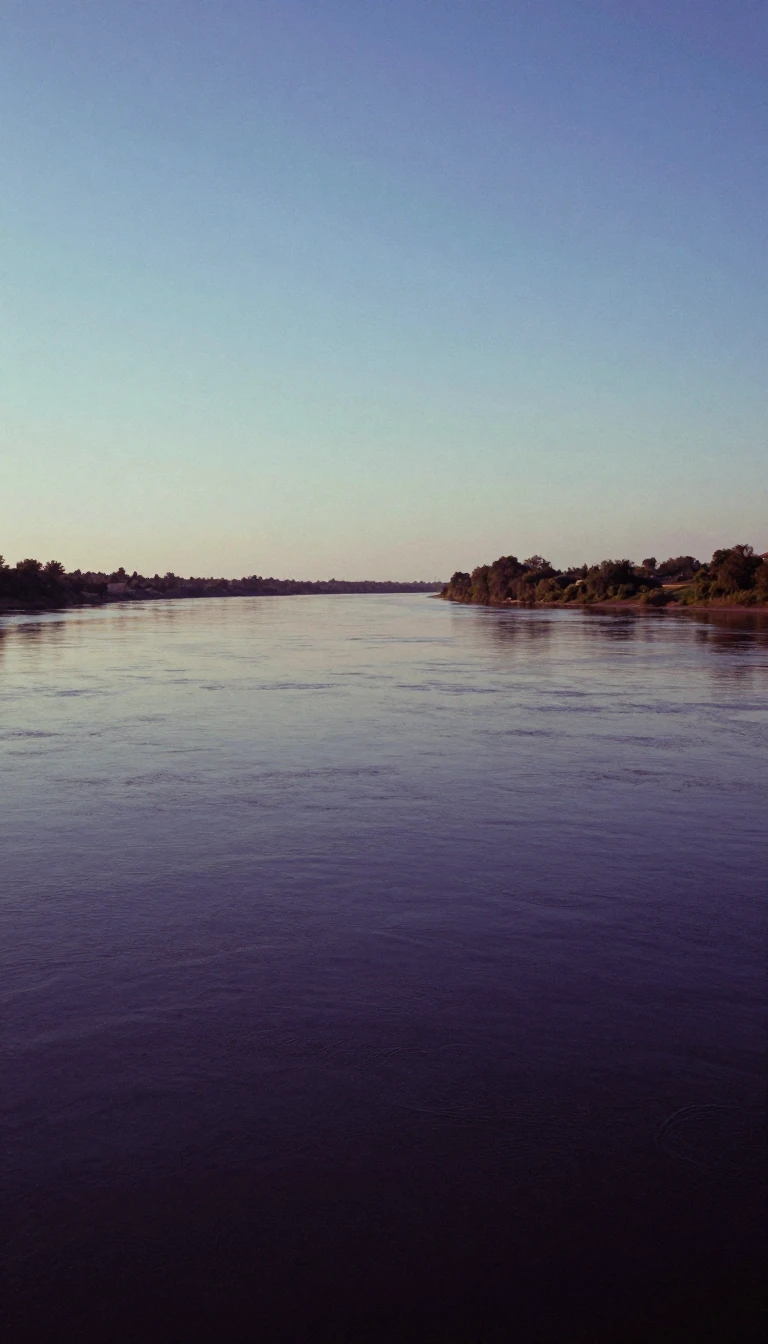
In short: The Kabul River is a vital artery for Afghanistan and Pakistan, rising high in the Hindu Kush mountains. While it carries immense historical and political weight, its physical reality is often modest. It swells with seasonal snowmelt, yet its name and identity persist even when its tributaries carry more water.
Spanning 700 kilometres, the Kabul River originates in the Sanglakh Range at an elevation of 14,000 feet. Known anciently as the Kubha or Cophen, the river’s name eventually shaped the identity of the settlement and region of Kabul itself. Its path cuts through major urban centers, including Kabul, Jalalabad, Peshawar, and Nowshera, serving as a critical drainage basin for nine Afghan provinces before crossing into Pakistan to join the Indus River.
The river’s hydrology is defined by extreme seasonal variation. For most of the year, it remains a shallow stream, but it surges during summer as Hindu Kush snows melt. Interestingly, the Chitral River—its largest tributary—actually carries a higher volume of water than the Kabul itself. However, the river retains the Kabul name downstream of their confluence, a choice driven by the historical and political significance attached to the title rather than pure geological volume.
The 20th century saw the river harnessed for infrastructure, with dams like the Surobi, Naghlu, and Darunta built in Afghanistan, and the Warsak Dam in Pakistan. Yet, modern challenges persist. Since the 1990s, the river has faced recurring summer droughts. Furthermore, recent environmental issues have emerged, including the regular discharge of vast quantities of raw waste from local treatment facilities, which has negatively impacted the health of thousands of families residing along its banks.
The river has long been a landmark for travelers and conquerors. Historical accounts, such as those by Arrian and Philostratus, document the river under its ancient Greek name, Cophen, noting its role as a crossing point for figures like Alexander the Great and Apollonius of Tyana. This enduring presence cements the Kabul River as more than just a waterway; it is a central thread in the historical tapestry of the region.
Opens the Intellect+ feed with this card first. Swipe up for the next one.
Sources
- Summary by Intellect · source: Kabul River
- Also: Wikidata — Kabul River · CC0
- Also: Wikidata — Kabul River railway station · CC0
To cite this card, link to https://intellectplus.co.uk/app/places-kabul-river.
How we source, check and correct cards: Editorial standards.
General information, not professional advice. Spotted an error? Flag the card or see corrections and complaints.
Intellect Plus is a visual educational discovery platform for exploring fascinating facts and ideas. Brain Food, Not Brain Rot. What is Intellect Plus?
Related
More in Bodies of water · More in Countries & Cities · Latest · A–Z · All topics
