Beneath the streets of Kłodzko, a forgotten labyrinth of tunnels once saved the city.
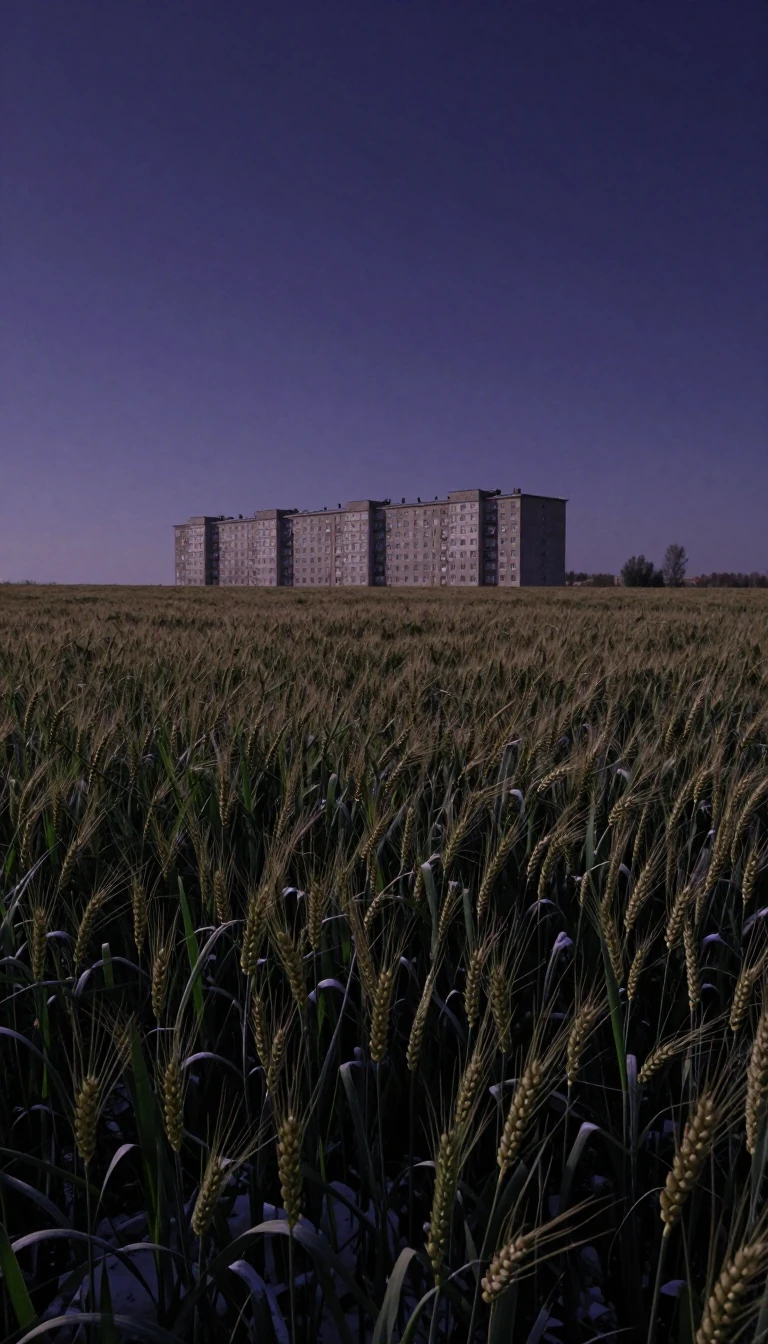
In short: Kłodzko, a historic Polish town known as Little Prague, hides a secret beneath its surface. For centuries, merchants carved an extensive network of basements and tunnels into the rock for storage and protection. These forgotten passages eventually caused the city to collapse, until conservation efforts began in the 1970s.
Located in the Kłodzko Valley on the Eastern Neisse River, Kłodzko is one of Poland's oldest towns, with settlement dating back to at least the 1st century BC. Its strategic position on the ancient Amber Road made it a vital trade hub, but also a frequent target for conflict. Throughout the Middle Ages, the town shifted between Polish and Bohemian rule, enduring sieges, fires, and the Mongol invasion of 1241. By the 15th century, it had become a significant cultural center, notably serving as the site where the St. Florian's Psalter, one of the earliest texts in the Polish language, was written in 1399.
The town's architecture reflects its complex history under the Habsburg monarchy and later Prussian rule. A defining feature is its fortress, which originated as a 9th-century stronghold. By the 18th century, under Frederick the Great, it had become one of the largest fortresses in Prussia. The city also boasts a 1390 Gothic stone bridge, often compared to Prague's Charles Bridge, which legend claims was built using egg components. These landmarks survived centuries of warfare, including the Thirty Years' War, which decimated the population and destroyed over 900 of the city's 1,300 buildings.
The 20th century brought further upheaval. During World War II, the fortress served as a prison and a subcamp of Gross-Rosen, housing Allied prisoners and forced laborers. Following the 1945 Potsdam Conference, the town became part of Poland, leading to the deportation of the German population and the arrival of new residents. In the post-war era, the city faced environmental crises, including severe floods in 1938, 1997, and 2024, as well as dangerous landslides caused by the unmapped, collapsing tunnel network. Today, Kłodzko is a center for tourism and commerce, with parts of its historic underground tunnels now open to the public.
Opens the Intellect+ feed with this card first. Swipe up for the next one.
Sources
- Summary by Intellect · source: Kłodzko
- Also: Wikidata — Kłodzko · CC0
- Also: www.britannica.com — Kłodzko | Old Town, Silesia, Fortress | Britannica
To cite this card, link to https://intellectplus.co.uk/app/places-k-odzko.
How we source, check and correct cards: Editorial standards.
General information, not professional advice. Spotted an error? Flag the card or see corrections and complaints.
Intellect Plus is a visual educational discovery platform for exploring fascinating facts and ideas. Brain Food, Not Brain Rot. What is Intellect Plus?
Related
More in Bodies of water · More in Countries & Cities · Latest · A–Z · All topics
