Why these remote wooden churches are a masterclass in cultural and spiritual architecture
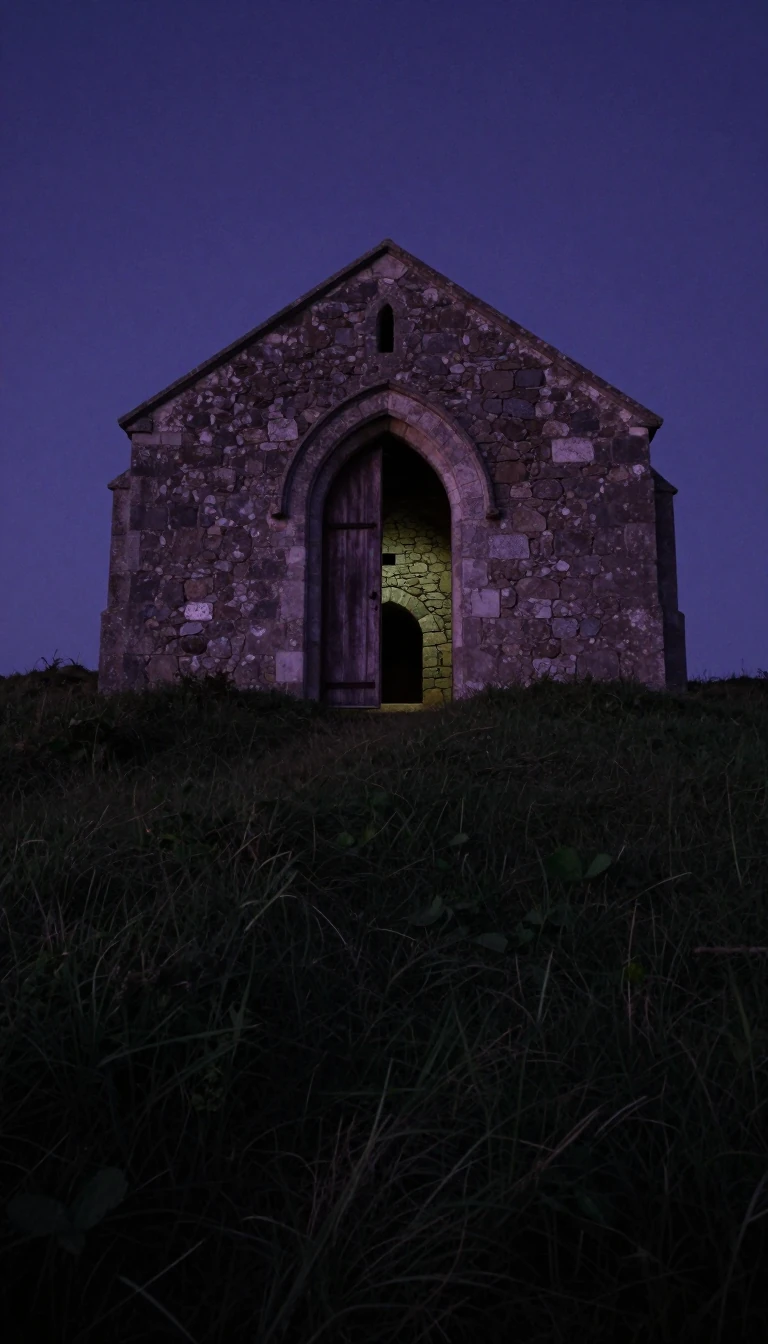
In short: Hidden within the Carpathian mountains, sixteen wooden churches stand as silent witnesses to a unique architectural evolution. Built between the 16th and 19th centuries, these structures blend Orthodox design with local traditions, creating a distinct visual language that reflects the cosmogony of the communities that crafted them from horizontal logs.
The Wooden Tserkvas of the Carpathian Region represent a remarkable intersection of faith and vernacular craftsmanship. These churches, found across Poland and Ukraine, were formally recognized by UNESCO in 2013 for their exceptional cultural value. They are not merely buildings but are physical manifestations of the spiritual and social identity of the Orthodox and Greek Catholic communities that constructed them over several centuries.
The construction technique is defined by the use of horizontal wooden logs, a method that allowed local builders to adapt traditional Orthodox ecclesiastic designs to the rugged Carpathian landscape. This fusion resulted in a style that is both functional and deeply symbolic. The architecture incorporates elements of local tradition, ensuring that each church serves as a reflection of the specific community's worldview and cosmogony. This integration of design and belief systems highlights a sophisticated approach to sacred space that has persisted through the centuries.
Beyond their structural beauty, these tserkvas serve as a vital link to the past, preserving a building tradition that might otherwise have been lost. The preservation of these sites is essential for understanding the historical development of religious architecture in the region. By maintaining these wooden structures, the communities have protected a legacy that bridges the gap between ancient Orthodox practices and the unique cultural expressions of the Carpathian people. Their inclusion on the World Heritage List underscores the global importance of these vernacular masterpieces.
The significance of these sites lies in their ability to convey complex theological and cultural narratives through simple, natural materials. As examples of vernacular architecture, they demonstrate how human ingenuity can transform basic resources into profound monuments of faith. The ongoing study and protection of these churches continue to offer insights into the historical, social, and religious dynamics of the Carpathian region, marking them as essential landmarks of human achievement.
Opens the Intellect+ feed with this card first. Swipe up for the next one.
Sources
- Summary by Intellect · source: Wooden Tserkvas of the Carpathian Region in Poland and Ukraine
To cite this card, link to https://intellectplus.co.uk/app/places-wooden-tserkvas-of-the-carpathian-region-in-poland-and-ukrai.
How we source, check and correct cards: Editorial standards.
General information, not professional advice. Spotted an error? Flag the card or see corrections and complaints.
Intellect Plus is a visual educational discovery platform for exploring fascinating facts and ideas. Brain Food, Not Brain Rot. What is Intellect Plus?
Related
More in Cultures · Latest · A–Z · All topics
