Kalymnos: The Aegean island that turned sponge diving into a global legacy
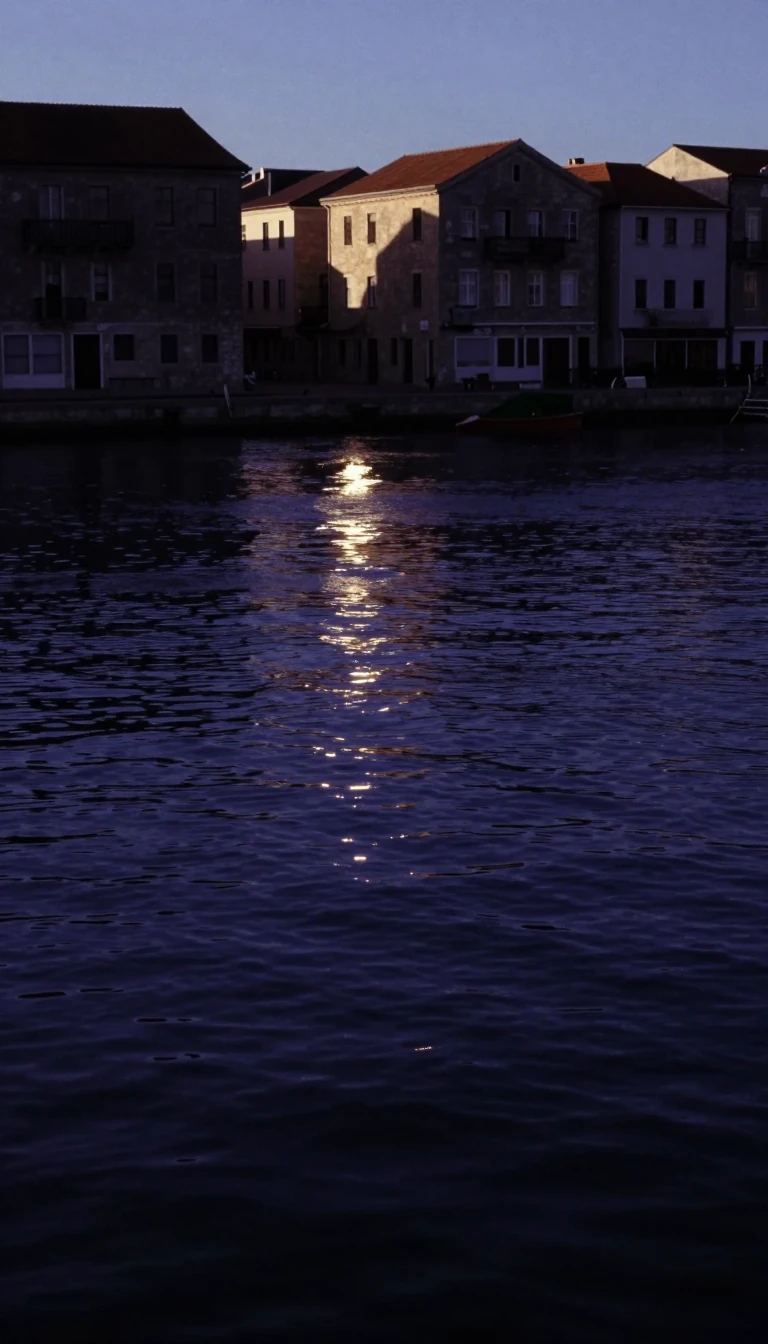
In short: Known as the sponge-divers' island, this mountainous Dodecanese outpost has shaped lives from the Mediterranean to the American bridge-painting industry. Beyond its maritime history, the island has transformed into a world-class rock climbing destination, drawing adventurers to its rugged limestone cliffs and unique, ancient volcanic landscape.
Kalymnos, located in the southeastern Aegean Sea, is a mountainous island defined by its irregular coastline and limestone-based terrain. While largely barren, the island features fertile valleys like Vathys and Pothia, where agriculture has historically supplemented the local economy. Its geological history is marked by volcanic activity, leaving behind deposits of volcanic tuff in areas like Vigles. The island's proximity to active volcanic regions also makes seismic activity a frequent occurrence, most notably the 2017 Aegean Sea earthquake, which registered a magnitude of 6.7Mw.
For generations, the island's identity was built upon the sponge-fishing industry. Divers harvested sponges from the seabed using traditional free-diving techniques, a trade that brought significant wealth to the region. This dangerous profession left a deep cultural mark, exemplified by the Mihanikos, a folk dance that mimics the physical effects of decompression sickness. Although a disease outbreak in the mid-1980s decimated sponge crops and crippled the industry, the island continues to celebrate its heritage annually during Sponge Week.
The legacy of Kalymnian sponge diving extends far beyond the Mediterranean. Significant emigration throughout the 20th century saw Kalymnians settle in cities like Tarpon Springs, Florida, and Darwin, Australia. Interestingly, some researchers suggest a link between the island's maritime roots and the prevalence of Kalymnian descendants in the American bridge-painting industry, noting that both trades demand high-risk work and long absences from home. Today, the island has pivoted toward tourism, particularly rock climbing, with over 3,000 routes established since 1997.
The island's history is a complex tapestry of shifting influences. It was a naval base for the Venetian Republic in the 13th century and later fell under the control of the Knights of Rhodes in 1310. After being conquered by the Ottomans in 1522, it remained under their rule until Italian forces occupied the island in 1912. It was not until 1947 that the Dodecanese islands were united with the modern Greek state.
Opens the Intellect+ feed with this card first. Swipe up for the next one.
Sources
- Summary by Intellect · source: Kalymnos
- Also: Wikidata — Kalymnos · CC0
- Also: Wikidata — Kalymnos · CC0
To cite this card, link to https://intellectplus.co.uk/app/places-kalymnos.
How we source, check and correct cards: Editorial standards.
General information, not professional advice. Spotted an error? Flag the card or see corrections and complaints.
Intellect Plus is a visual educational discovery platform for exploring fascinating facts and ideas. Brain Food, Not Brain Rot. What is Intellect Plus?
Related
More in Bodies of water · More in Countries & Cities · Latest · A–Z · All topics
