Is this northwestern Malaysian state the most ancient settlement in all of Southeast Asia?
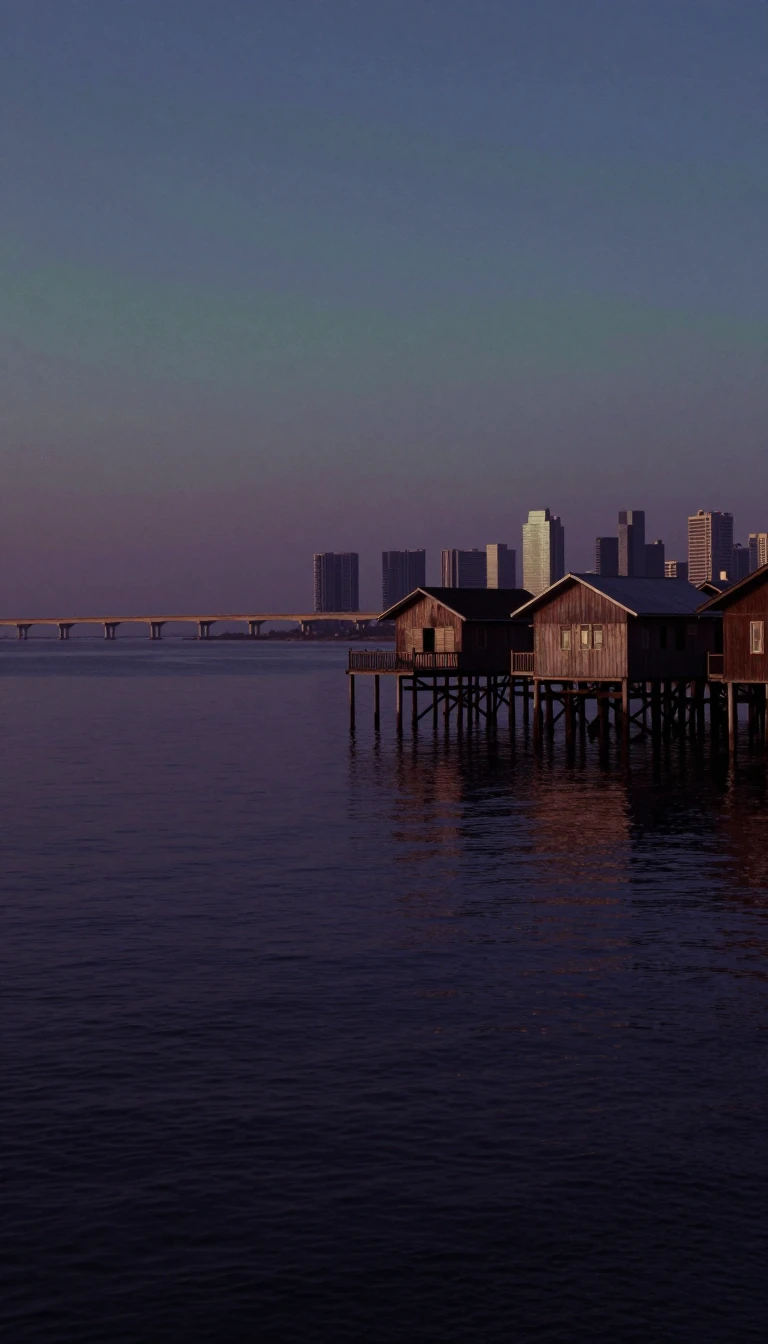
In short: Known as the rice bowl of Malaysia, Kedah hides a deep history beneath its flat, fertile plains. Archaeological evidence suggests human activity here dates back to 110 AD, potentially making it the oldest settlement in the region. Today, this state balances its traditional agrarian roots with modern high-tech industrial growth.
Kedah, historically known by names like Kadaram and Syburi, occupies the northwestern corner of Peninsular Malaysia. Its geography is defined by the expansive Kedah–Perlis Plain, a landscape so fertile that it has served as the nation's primary rice producer for centuries. In 2008, the state government took the significant step of banning the conversion of these vital paddy fields into industrial or residential zones to preserve the agricultural industry.
The region's historical significance is anchored in the Bujang Valley, where archaeological findings—including iron smelting sites, jetty remains, and clay brick monuments—point to a thriving maritime trade network with South Indian Tamil kingdoms as early as 110 AD. By the 7th and 8th centuries, the area fell under the loose influence of the Srivijaya empire. Its strategic value led to multiple invasions, including a notable 1025 AD conquest by the Chola king Rajendra I, and later, centuries of shifting control between Siamese influence and Malay sultanates.
Modern Kedah is a heterogeneous society, with a population exceeding 2.1 million as of 2020. While the majority are Bumiputra, the state maintains a rich tapestry of Chinese, Indian, and Siamese minorities, alongside indigenous Orang Asli groups. This diversity is reflected in the local linguistic landscape, where the distinct 'Pelat Utagha' dialect of Malay serves as the primary lingua franca, bridging the gap between various ethnic communities and administrative districts.
Since the 1990s, Kedah has aggressively diversified its economy, moving beyond agriculture into aerospace and automotive manufacturing. The 1996 opening of the Kulim Hi-Tech Park marked a turning point, establishing the state as a hub for high-technology development. Despite this rapid modernization, the state remains deeply rooted in its constitutional monarchy, with the Sultan serving as the head of Islam and the ultimate executive authority, a system that continues to shape the state's governance today.
Opens the Intellect+ feed with this card first. Swipe up for the next one.
Sources
- Summary by Intellect · source: Kedah
- Also: Wikidata — Kedah · CC0
To cite this card, link to https://intellectplus.co.uk/app/places-kedah.
How we source, check and correct cards: Editorial standards.
General information, not professional advice. Spotted an error? Flag the card or see corrections and complaints.
Intellect Plus is a visual educational discovery platform for exploring fascinating facts and ideas. Brain Food, Not Brain Rot. What is Intellect Plus?
Related
More in Regions and country subdivisions · More in Countries & Cities · Latest · A–Z · All topics
