How a Siberian republic became a demographic mosaic through centuries of forced migration
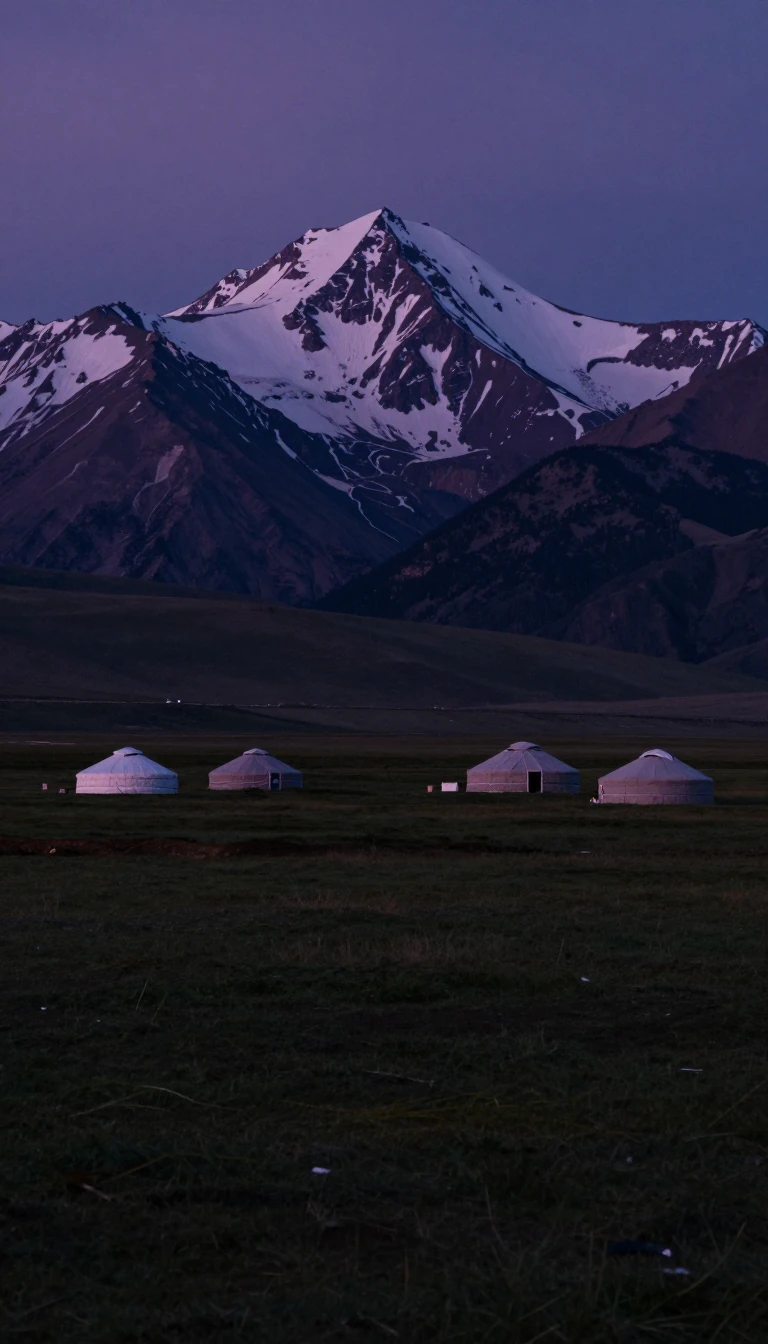
In short: Khakassia, a mountainous republic in southern Siberia, holds a complex history of shifting borders and populations. Once the heart of the Yenisei Kirghiz state, it transformed into a Russian administrative territory through centuries of deportations and resettlement, leaving the indigenous Khakas people as a minority in their own ancestral land.
Located in southwestern Eastern Siberia, Khakassia spans approximately 61,900 square kilometers, with two-thirds of its landscape dominated by the Kuznetsk Alatau and Abakan mountain ranges. While the region is rich in natural resources—boasting Russia's largest molybdenum deposits alongside gold, iron, and coal—its human geography is defined by a turbulent history of migration. The area served as the center of the Yenisei Kirghiz state from the 6th century until the 13th-century Mongol conquest, which triggered a mass migration of Kyrgyz people toward Central Asia. Those who remained in Siberia became the ancestors of the modern Khakas people.
The region's integration into the Russian state began under Peter the Great between 1682 and 1725, a process formalized by the 1729 Treaty of Burya with China. During the 18th century, the Russian authorities used the territory as a destination for deporting convicted criminals from European Russia, leading to the construction of forts in 1707 and 1718. This influx of outsiders accelerated as the Soviet government later resettled a quarter of a million Russians in the region during the 1920s and 1930s, followed by the deportation of 10,000 Volga Germans during World War II.
These demographic shifts fundamentally altered the region's composition. By the 1959 census, ethnic Khakas people accounted for little more than 10% of the population. Modern data from the 2021 Russian Census confirms this trend, with ethnic Russians now comprising 82.1% of the population, while the indigenous Khakas represent 12.7%. Today, the republic functions as a federal subject of Russia, governed by a constitution adopted in 1995. Despite the dominance of Russian culture and the Russian Orthodox faith, the region maintains a unique identity, blending its industrial reliance on mining and timber with a diverse spiritual landscape that includes remnants of traditional Tengrism and folk religions.
Opens the Intellect+ feed with this card first. Swipe up for the next one.
Sources
- Summary by Intellect · source: Khakassia
- Also: Wikidata — Khakassia · CC0
To cite this card, link to https://intellectplus.co.uk/app/places-khakassia.
How we source, check and correct cards: Editorial standards.
General information, not professional advice. Spotted an error? Flag the card or see corrections and complaints.
Intellect Plus is a visual educational discovery platform for exploring fascinating facts and ideas. Brain Food, Not Brain Rot. What is Intellect Plus?
Related
More in Regions and country subdivisions · More in Countries & Cities · Latest · A–Z · All topics
