How a vast, swampy Siberian region became the engine of the global oil industry
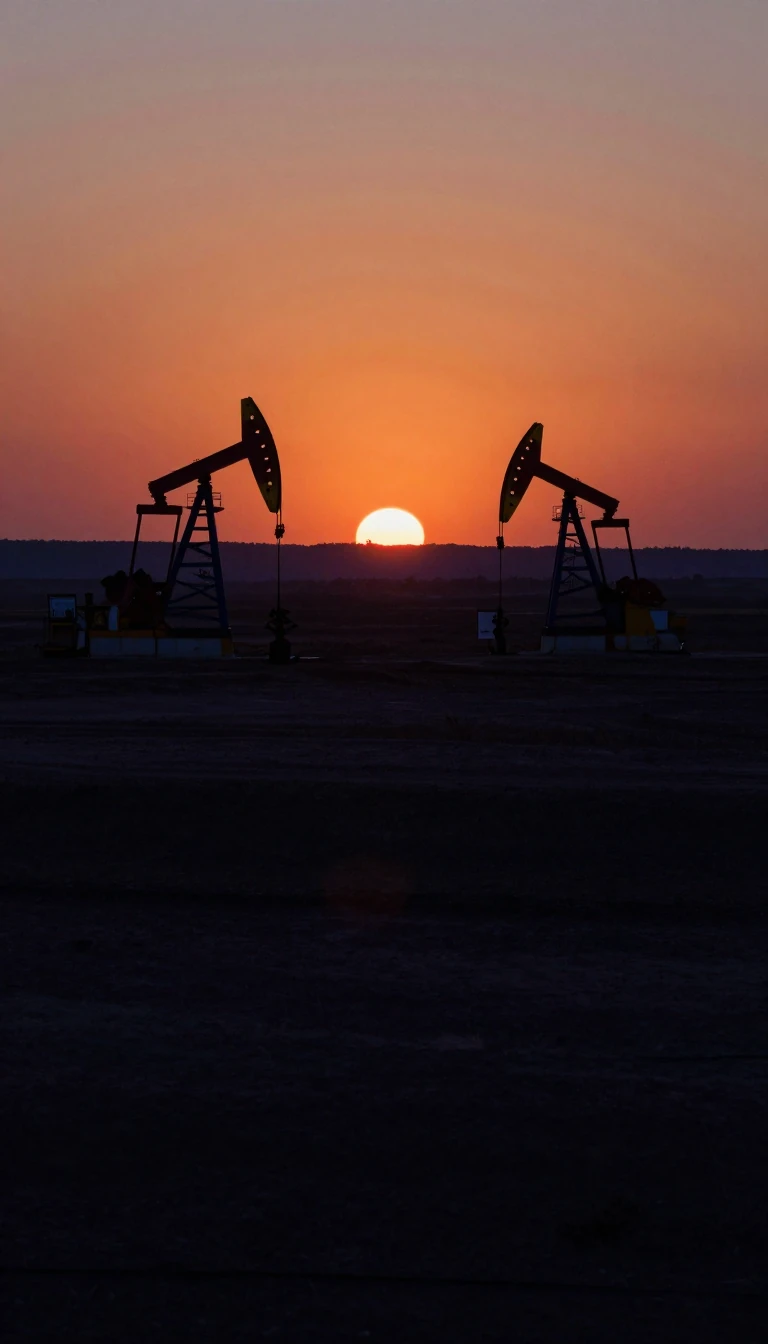
In short: Khanty-Mansi Autonomous Okrug is a sparsely populated, marshy expanse in the West Siberian Plain. Despite its harsh terrain, this region produces over half of Russia's oil. Once established for indigenous peoples, it has been transformed by massive resource extraction, attracting a diverse population from across the former Soviet Union.
Established in 1930 as the Ostyak-Vogul National Okrug, this territory was originally intended to support the Khanty and Mansi, the Ob-Ugric peoples native to the region. Over the decades, its status and name evolved, becoming an autonomous okrug in 1977 and officially appending the name Yugra in 2003. While these indigenous groups remain culturally significant, they now represent only a small fraction of the total population, which has been reshaped by decades of industrial migration.
The landscape is defined by the West Siberian Plain, characterized by peat bogs, grass marshes, and dense, swampy forests. In the far northwest, the terrain rises toward the Urals, reaching its peak at Mount Narodnaya. The region is drained by the Ob River and its major tributaries, the Irtysh and Vatinsky Yogan. Since the 1960s, the discovery of vast petroleum and natural gas deposits near cities like Surgut and Nizhnevartovsk fundamentally altered the region's economic trajectory.
Today, the okrug serves as a critical pillar of the global energy market. In 2012 alone, it accounted for 51% of Russia's total oil production. This economic dominance has driven rapid population growth, rising from 1,532,243 in 2010 to 1,674,676 by 2020. The influx of workers from across the former Soviet Union has created a multi-ethnic society, with the 2021 Census identifying 17 distinct ethnic groups of significant size, while the indigenous population now constitutes roughly 2.8% of the total.
The region's infrastructure reflects its industrial focus, with a heavy reliance on water and rail for transporting goods. While there are over 18,000 km of roads and 1,106 km of railway tracks, the vast, challenging geography keeps the area sparsely populated despite its immense wealth. The social fabric is equally complex, encompassing a diverse range of religious affiliations, including Russian Orthodoxy, Islam, and various spiritual traditions, alongside ongoing reports of human rights concerns in cities like Surgut.
Opens the Intellect+ feed with this card first. Swipe up for the next one.
Sources
- Summary by Intellect · source: Khanty-Mansi Autonomous Okrug
- Also: Khanty-Mansi | Oil-Rich, Autonomous, Arctic | Britannica
- Also: Wikidata — Khanty-Mansi Autonomous District · CC0
To cite this card, link to https://intellectplus.co.uk/app/places-khanty-mansi-autonomous-okrug.
How we source, check and correct cards: Editorial standards.
General information, not professional advice. Spotted an error? Flag the card or see corrections and complaints.
Intellect Plus is a visual educational discovery platform for exploring fascinating facts and ideas. Brain Food, Not Brain Rot. What is Intellect Plus?
Related
More in Regions and country subdivisions · More in Countries & Cities · Latest · A–Z · All topics
