Why Sudan's smallest state is the beating heart of its national economy
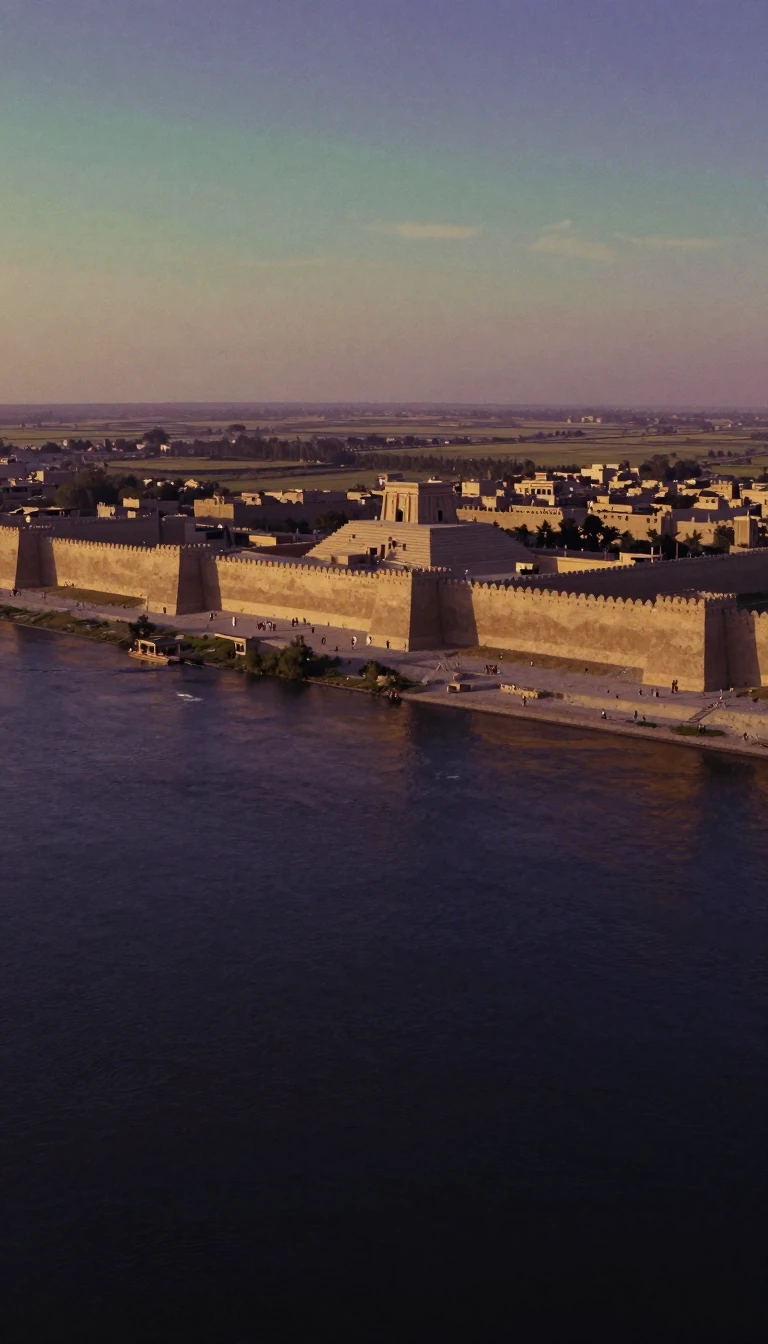
In short: Khartoum State occupies a tiny fraction of Sudan's land, yet it serves as the nation's primary industrial and demographic engine. Home to a unique triple-city capital, this region sits at the intersection of two major rivers, blending ancient history with modern ambitions to become a regional manufacturing powerhouse.
Covering just 22,142 square kilometers, Khartoum State is the smallest of Sudan's eighteen states. Despite its modest size, it is the most populous, housing nearly eight million people by 2018 estimates. The state is defined by the meeting point of the White and Blue Nile rivers, which join to form the main River Nile. This confluence is visually striking, as the two waterways maintain distinct, contrasting colors—one bright and one alluvial brown—especially during flood seasons.
The state's urban core consists of a triangular capital comprising Khartoum, Khartoum North, and Omdurman. This metropolitan area serves as the primary hub for Sudan's manufacturing sector, hosting over 7,500 factories. These facilities produce a vast array of goods, ranging from textiles and electronics to chemicals and food processing. The region has even attracted international investment, with plans for Chinese automotive manufacturers to establish operations, signaling an ambition to transform the area into a major African industrial center.
The social fabric of the state is remarkably diverse. A 2008 census revealed that 74% of residents identified their origin as being outside the state, reflecting decades of migration driven by environmental factors like drought and desertification in the 1980s. While many residents work in government, banking, or the private sector, rural areas remain vital for supplying the capital with dairy, fruits, and vegetables. This blend of traditional agriculture, river-based trades like brick-making, and high-tech industrial goals defines the state's complex identity.
Beyond its economic output, the state is a repository of Sudanese heritage. It contains numerous archaeological sites spanning prehistoric and historical eras. The National Museum of Sudan, the largest in the country, is located here, alongside specialized institutions dedicated to folklore, natural history, and popular heritage. This combination of deep historical roots and a forward-looking industrial strategy makes Khartoum State the central pillar of the nation's development.
Opens the Intellect+ feed with this card first. Swipe up for the next one.
Sources
- Summary by Intellect · source: Khartoum State
- Also: Wikidata — Khartoum · CC0
To cite this card, link to https://intellectplus.co.uk/app/places-khartoum-state.
How we source, check and correct cards: Editorial standards.
General information, not professional advice. Spotted an error? Flag the card or see corrections and complaints.
Intellect Plus is a visual educational discovery platform for exploring fascinating facts and ideas. Brain Food, Not Brain Rot. What is Intellect Plus?
Related
More in Regions and country subdivisions · More in Countries & Cities · Latest · A–Z · All topics
