The world's largest mangrove forest is a shifting, tiger-filled labyrinth of tidal channels.
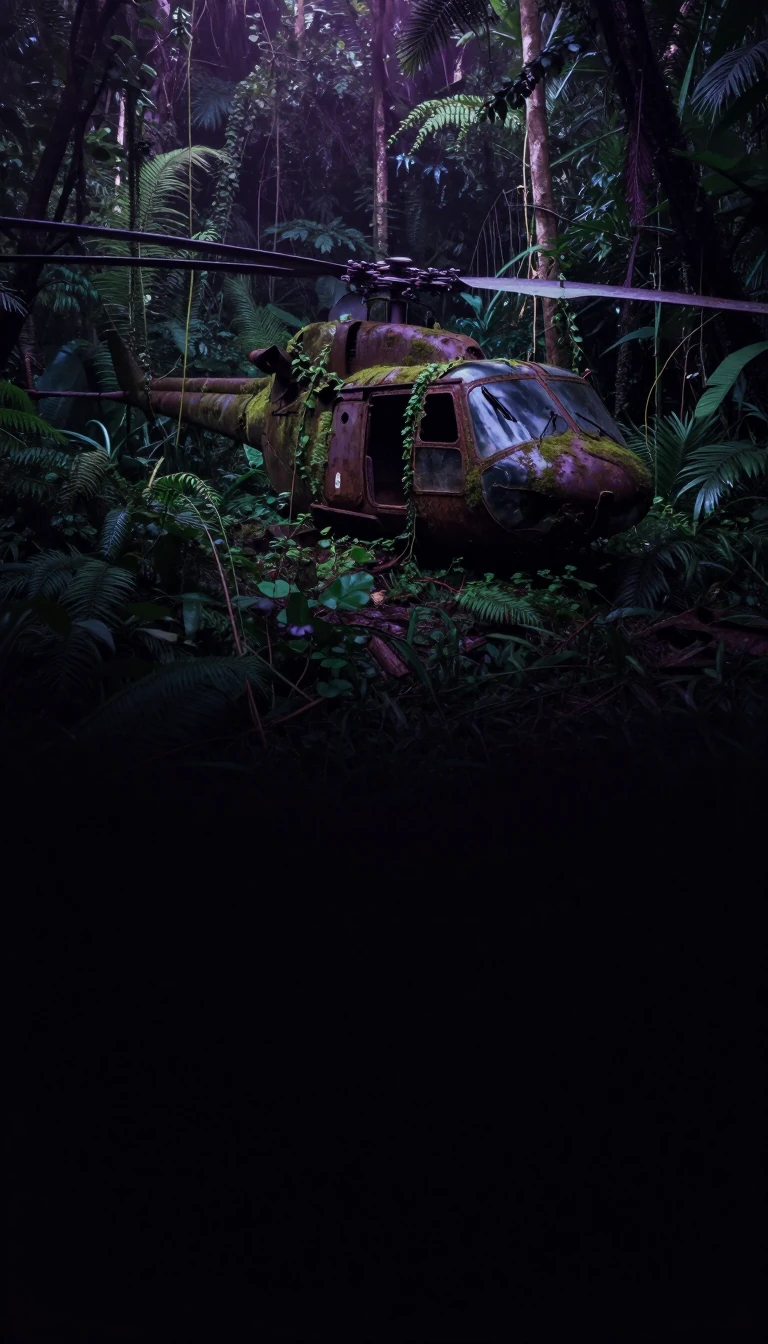
In short: Straddling the border of India and Bangladesh, the Sundarbans is a dynamic, water-logged wilderness where the land itself is in constant flux. Home to the elusive Bengal tiger and a complex network of tidal rivers, this UNESCO World Heritage Site balances extreme ecological value against the constant threat of cyclones.
The Sundarbans is a vast, estuarine delta defined by its unique geomorphology. Twice daily, tidal cycles inundate the landscape, depositing silt that continuously reshapes the islands and creeks. This environment is dominated by the Sundari tree, a mangrove species with specialized roots called pneumatophores that allow it to breathe even when the forest floor is submerged. The region is also home to the Swatch of No Ground, a mysterious deep-sea depression in the Bay of Bengal that influences local sedimentation patterns.
Managing this territory is a logistical challenge. The park is a critical habitat for endangered species, including the royal Bengal tiger, saltwater crocodile, and various cetaceans like the Irrawaddy dolphin. Because the park is isolated from other tiger-occupied mainlands, human-tiger interactions are frequent. To mitigate conflict, authorities have implemented strategies ranging from nylon fencing and solar illumination to the use of human masks and electric dummies, successfully reducing annual human casualties from 40 to 10.
The ecosystem provides immense economic and protective services, valued at approximately ₹12.8 billion annually in a 2015 study. These benefits include carbon sequestration, storm moderation, and nursery functions for marine life. However, the region remains vulnerable. Cyclones like Aila in 2009 and Amphan in 2020 have caused significant damage to infrastructure, including watchtowers and anti-poaching fencing. Despite these pressures, the Sundarbans remains a vital, if fragile, bastion of biodiversity that requires ongoing, careful conservation management.
Opens the Intellect+ feed with this card first. Swipe up for the next one.
Sources
- Summary by Intellect · source: Sundarbans National Park
- Also: Wikidata — Sundarbans National Park · CC0
To cite this card, link to https://intellectplus.co.uk/app/places-sundarbans-national-park.
How we source, check and correct cards: Editorial standards.
General information, not professional advice. Spotted an error? Flag the card or see corrections and complaints.
Intellect Plus is a visual educational discovery platform for exploring fascinating facts and ideas. Brain Food, Not Brain Rot. What is Intellect Plus?
Related
More in Ecology · More in Nature · Latest · A–Z · All topics
