Beneath a serene German lake lies a dormant volcano capable of global climate disruption.
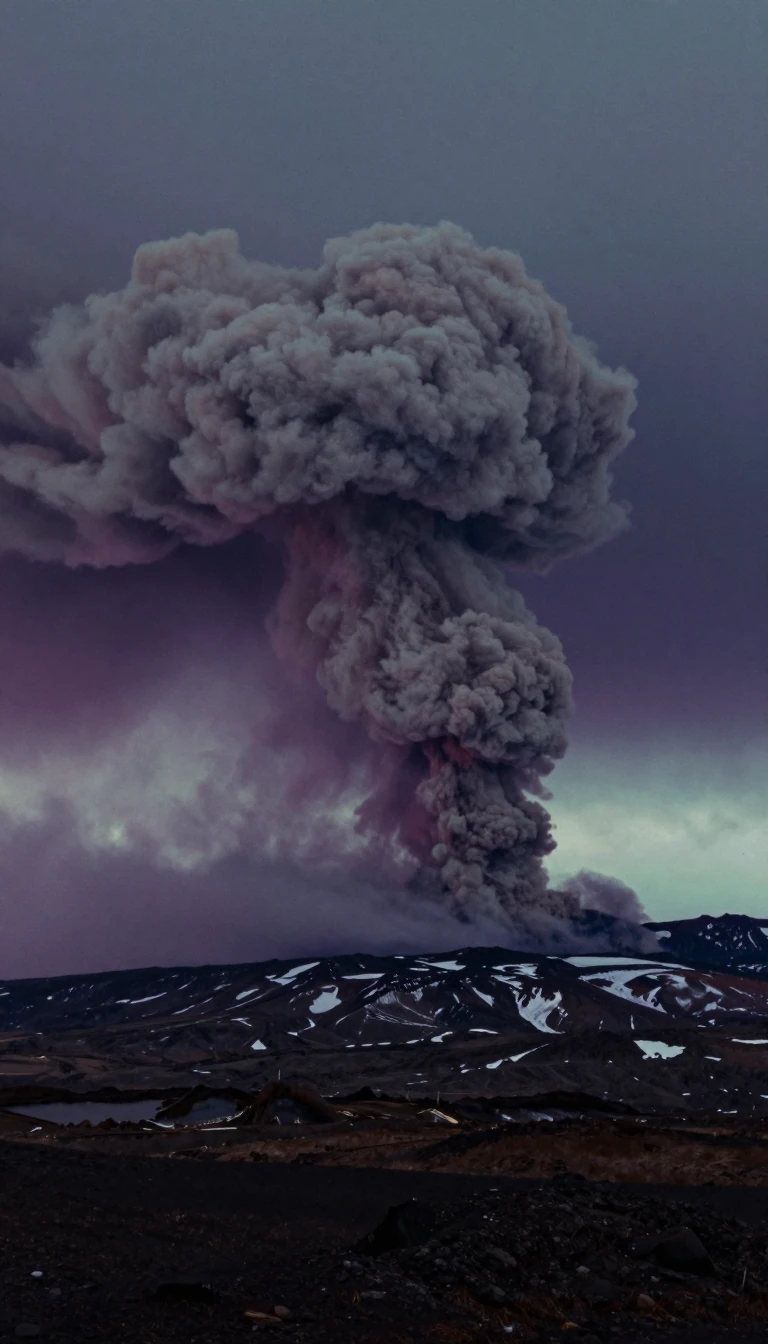
In short: Laacher See appears as a peaceful crater lake in the Eifel mountains, but its history is defined by a massive eruption 13,000 years ago. Today, signs of dormant volcanism persist, including gas emissions and deep seismic activity, suggesting the volcano remains a powerful, sleeping force beneath the surface.
Formed by a Plinian eruption with a Volcanic Explosivity Index of 6, the Laacher See event was comparable in scale to the 1991 Pinatubo eruption. Roughly 13,000 years ago, a massive magma chamber collapsed, creating the crater that now holds the lake. The eruption was catastrophic, with a plume reaching 35 kilometres into the atmosphere and pyroclastic currents blanketing the surrounding valleys in thick tephra. The fallout was so widespread that it has been identified across 300,000 square kilometres, serving as a vital chronological marker for archaeologists studying the end of the last glacial period.
The environmental impact was profound, causing years of cold summers and two decades of disruption across Germany. The Federmesser culture, which inhabited the region, faced severe decline, with populations shifting toward France and southwest Germany. New cultures, such as the Bromme and Perstunian, emerged in the aftermath, though they appeared to possess fewer toolmaking skills than their predecessors. Researchers like Felix Riede suggest this cultural shift was a direct consequence of the volcanic upheaval, which devastated local ecosystems and forced human migration across Northern Europe.
While the eruption is ancient, the volcano is not necessarily dead. Scientists have identified mofettas—volcanic gas emissions—on the southeastern shore, and recent studies have detected deep low-frequency earthquakes, which indicate ongoing magmatic recharge beneath the lake. Whether this activity could trigger future events remains a subject of intense scientific interest. Furthermore, the exact timing of the original eruption is still debated; while some evidence links it to the onset of the Younger Dryas cooling period, others argue the eruption occurred slightly earlier, potentially as part of a larger cluster of volcanic events that influenced the global climate at the end of the Pleistocene.
Opens the Intellect+ feed with this card first. Swipe up for the next one.
Sources
- Summary by Intellect · source: Laacher See
- Also: Wikidata — Laacher See · CC0
- Also: Wikidata — Laacher See Nature Reserve · CC0
To cite this card, link to https://intellectplus.co.uk/app/places-laacher-see.
How we source, check and correct cards: Editorial standards.
General information, not professional advice. Spotted an error? Flag the card or see corrections and complaints.
Intellect Plus is a visual educational discovery platform for exploring fascinating facts and ideas. Brain Food, Not Brain Rot. What is Intellect Plus?
Related
More in Bodies of water · More in Countries & Cities · Latest · A–Z · All topics
