The city built between two ancient kingdoms to find its middle ground
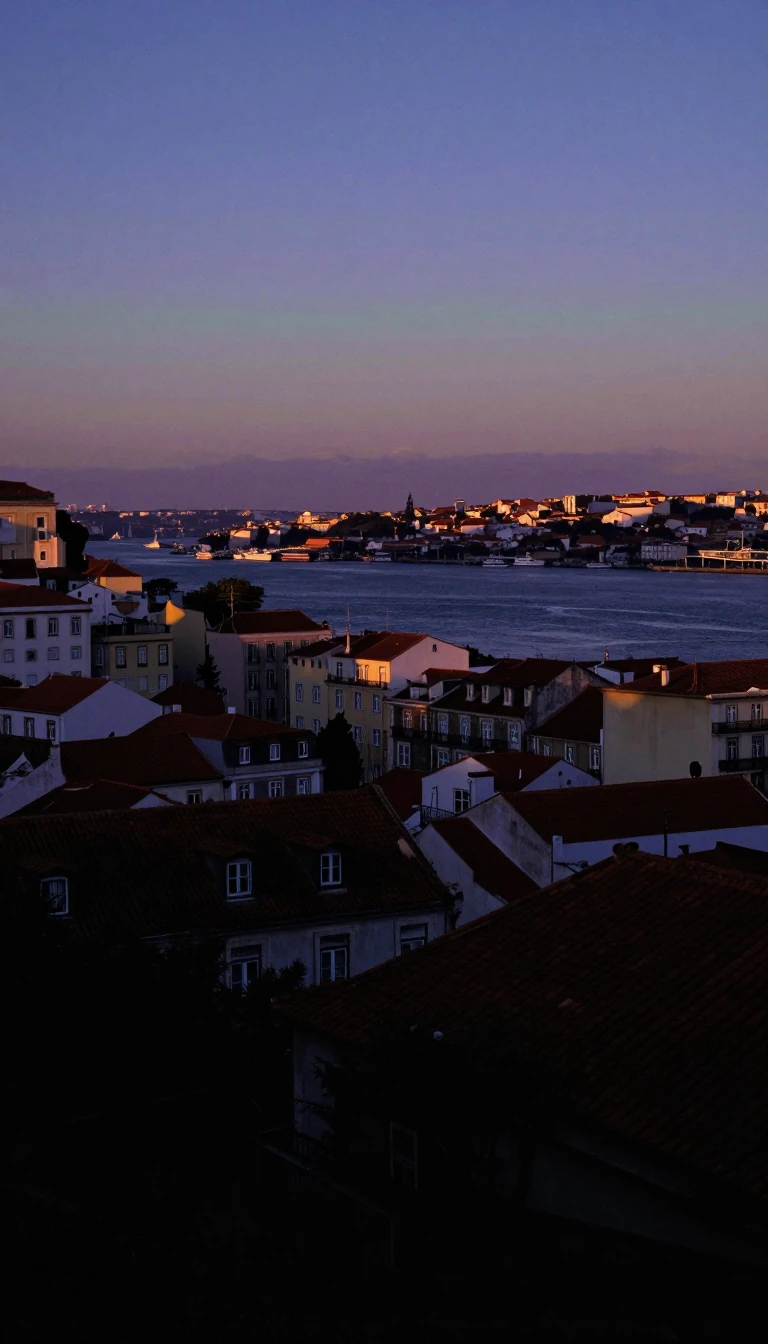
In short: Known in Greek as Nemessos, meaning 'one found in the middle', Limassol sits strategically between the ancient cities of Amathus and Kourion. From a medieval crossroads for crusaders to a modern Mediterranean hub, this coastal city has survived empires, invasions, and profound shifts in identity.
Limassol’s history is a tapestry of conquest and commerce. Its very name reflects its geography, positioned between the ancient kingdoms of Amathus and Kourion, both founded around 1100 BC. While human activity in the region dates back to the Neolithic period—evidenced by the nearby farming community at Khirokitia—the modern city likely emerged after the 7th-century AD decline of Amathus. The city's medieval era was defined by high-stakes politics, most notably during the Third Crusade in 1190. When Richard the Lionheart arrived, he famously clashed with the Byzantine governor Isaac Komnenos, eventually taking him captive and establishing Anglo-Norman rule.
The city's structural and social landscape has been repeatedly reshaped by its rulers. Following the Knights Templar's purchase of Cyprus for 100,000 bezants in 1191, the Lusignan dynasty established a prosperous medieval kingdom. Later, Venetian rule brought heavy taxation and exploitation, followed by Ottoman conquest in 1570. During the Ottoman period, the city's architecture even reflected social tensions; Christian homes were built with low entrances to prevent Turkish riders from entering on horseback. British administration, beginning in 1878, later introduced modern infrastructure, including electricity in 1912 and the first printing presses.
Today, Limassol is the most populated municipality in Cyprus, with an urban population of 198,558. The 1974 Turkish invasion caused significant demographic shifts, as Greek Cypriot refugees from the north settled in the city, fueling rapid growth. This influx transformed Limassol into a vital commercial center. Now a cosmopolitan hub, it is often nicknamed 'Limassolgrad' due to its large Russian-speaking community, which accounted for about 17% of the population in 2013. It remains a vital maritime and transportation artery, hosting the island's largest port.
Opens the Intellect+ feed with this card first. Swipe up for the next one.
Sources
- Summary by Intellect · source: Limassol
- Also: Wikidata — Limassol · CC0
- Also: www.britannica.com — Limassol | Cyprus, Map, & Facts | Britannica
To cite this card, link to https://intellectplus.co.uk/app/places-limassol.
How we source, check and correct cards: Editorial standards.
General information, not professional advice. Spotted an error? Flag the card or see corrections and complaints.
Intellect Plus is a visual educational discovery platform for exploring fascinating facts and ideas. Brain Food, Not Brain Rot. What is Intellect Plus?
Related
More in Cities · More in Countries & Cities · Latest · A–Z · All topics
