Can interbreeding with an alien species save humanity from its own self-destructive nature?
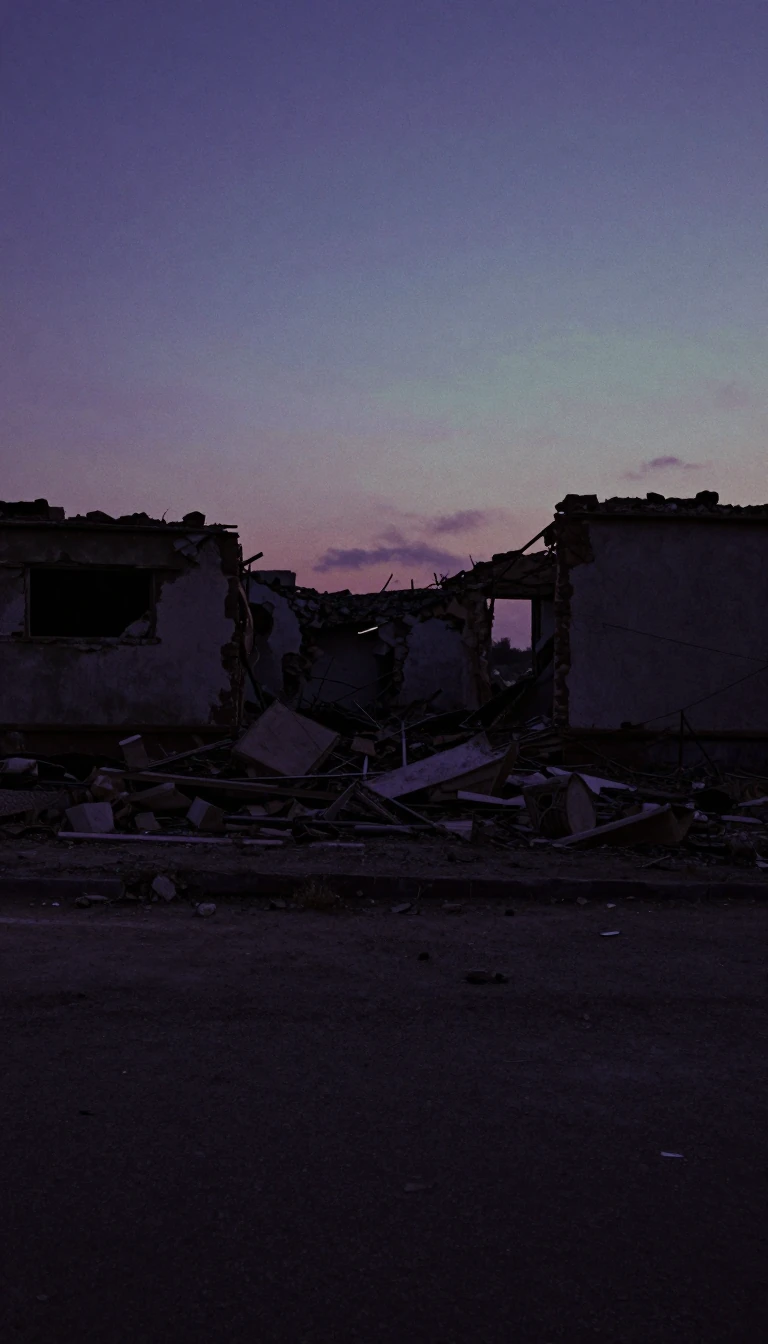
In short: After a nuclear war leaves Earth uninhabitable, the Oankali arrive to save the survivors. But their salvation comes with a biological price: a mandatory genetic merger. Octavia Butler’s Lilith’/s Brood explores whether we can survive by abandoning our species' fundamental boundaries.
In Octavia E. Butler’s science fiction trilogy, formerly known as the Xenogenesis Trilogy, the remnants of humanity are rescued from a dying, post-nuclear Earth by the Oankali. This alien race possesses a unique biological makeup, including three sexes: male, female, and the ooloi. While all Oankali can perceive genetic biochemistry, the ooloi have the specialized ability to consciously manipulate it, allowing them to mutate organisms and engineer offspring from the genetic material of mates.
The Oankali's primary objective is a 'gene trade'—a forced interbreeding with humans. They believe the human species suffers from a fatal 'Contradiction': a combination of high intelligence and hierarchical tendencies that inevitably leads to self-destruction. By blending our DNA with theirs, they aim to stabilize our biology. They are even drawn to the human 'talent' for cancer, intending to use our genetic predispositions to reshape their own species.
This biological imperative creates profound social tension. In the second installment, Adulthood Rites, humanity is split between those who accept the hybrid 'construct' life and 'resisters' who live in all-human villages. The Oankali have rendered humans infertile, meaning all new life requires ooloi intervention. This creates a landscape of profound loss and coercion, as characters like Akin struggle to balance his human heritage with his Oankali identity.
Butler, writing during the Reagan administration, used this narrative to reflect her fears regarding the rhetoric of 'winnable' nuclear wars. The trilogy serves as a complex allegory for colonization, slavery, and the ethics of consent, questioning whether true survival is possible without the loss of individual agency and ancestral identity.
Opens the Intellect+ feed with this card first. Swipe up for the next one.
Sources
- Summary by Intellect · source: Lilith's Brood
- Also: Wikidata — Lilith's Brood · CC0
To cite this card, link to https://intellectplus.co.uk/app/places-lilith-s-brood.
How we source, check and correct cards: Editorial standards.
General information, not professional advice. Spotted an error? Flag the card or see corrections and complaints.
Intellect Plus is a visual educational discovery platform for exploring fascinating facts and ideas. Brain Food, Not Brain Rot. What is Intellect Plus?
Related
More in Cities · More in Countries & Cities · Latest · A–Z · All topics
