A living monument where ancient rituals and imperial history converge in stone
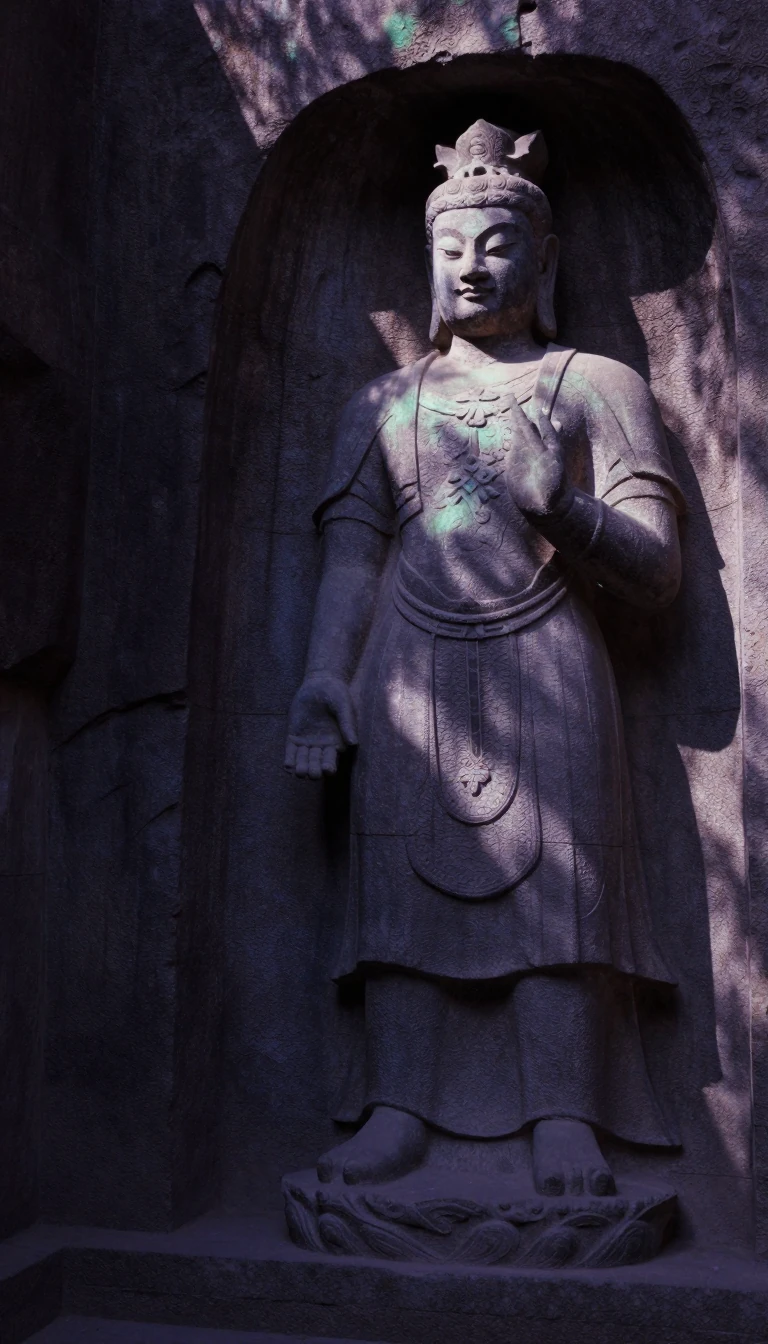
In short: The Lingaraja Temple in Bhubaneswar is not merely a relic of Kalinga architecture, but a functioning spiritual center. While most ancient sites in the city stand silent, this eleventh-century sanctuary remains a vibrant hub of daily worship, complex caste-based service rituals, and massive annual festivals that draw hundreds of thousands.
Constructed primarily between the late eleventh and twelfth centuries, the Lingaraja Temple represents the pinnacle of Kalinga architectural tradition. Its design follows the Deula style, featuring four distinct, axially aligned components: the vimana, jagamohana, natamandira, and bhoga-mandapa. Each section increases in height, culminating in a 55-meter-tall central tower. The complex is enclosed by a massive laterite wall measuring 520 by 465 feet, housing 150 smaller shrines within its courtyard.
The temple's history is deeply tied to the Somavamsi and Ganga dynasties. While some scholars attribute its initiation to the seventh-century ruler Lalat Indu Keshari, the present structure is largely credited to the eleventh-century king Yayati I. By the twelfth century, the influence of the Ganga rulers introduced Vaishnavite elements, such as specific iconography and the integration of the Jagannath cult, reflecting the shifting religious landscape of Odisha. The site is also known as Ekamra Kshetra, referencing a legend where the deity was originally worshipped under a mango tree.
Today, the temple is managed by the Archaeological Survey of India and a local Trust Board. It maintains a strict code of sanctity, excluding non-Hindus and those deemed ritually impure. Daily operations are governed by 36 distinct services known as nijogas, performed by three primary priestly communities. These traditions, including the elaborate Shivaratri festival and the 22-day Chandan Yatra, ensure the temple remains a living, breathing institution rather than a static museum piece.
Financially, the temple sustains itself through a combination of donations, land rents, and fees for specialized religious services. In 2011, annual income from donation boxes reached approximately 1.2 million rupees, with an additional 4 million rupees generated from other sources. With an average of 6,000 daily visitors, the temple continues to serve as a vital cultural and religious anchor for the region, bridging the gap between medieval royal patronage and modern devotional practice.
Opens the Intellect+ feed with this card first. Swipe up for the next one.
Sources
- Summary by Intellect · source: Lingaraja Temple
- Also: Wikidata — Lingaraja Temple · CC0
To cite this card, link to https://intellectplus.co.uk/app/places-lingaraja-temple.
How we source, check and correct cards: Editorial standards.
General information, not professional advice. Spotted an error? Flag the card or see corrections and complaints.
Intellect Plus is a visual educational discovery platform for exploring fascinating facts and ideas. Brain Food, Not Brain Rot. What is Intellect Plus?
Related
More in Cities · More in Countries & Cities · Latest · A–Z · All topics
