Linderhof Palace: How a Reclusive King Used Cutting-Edge Technology to Build His Dream World
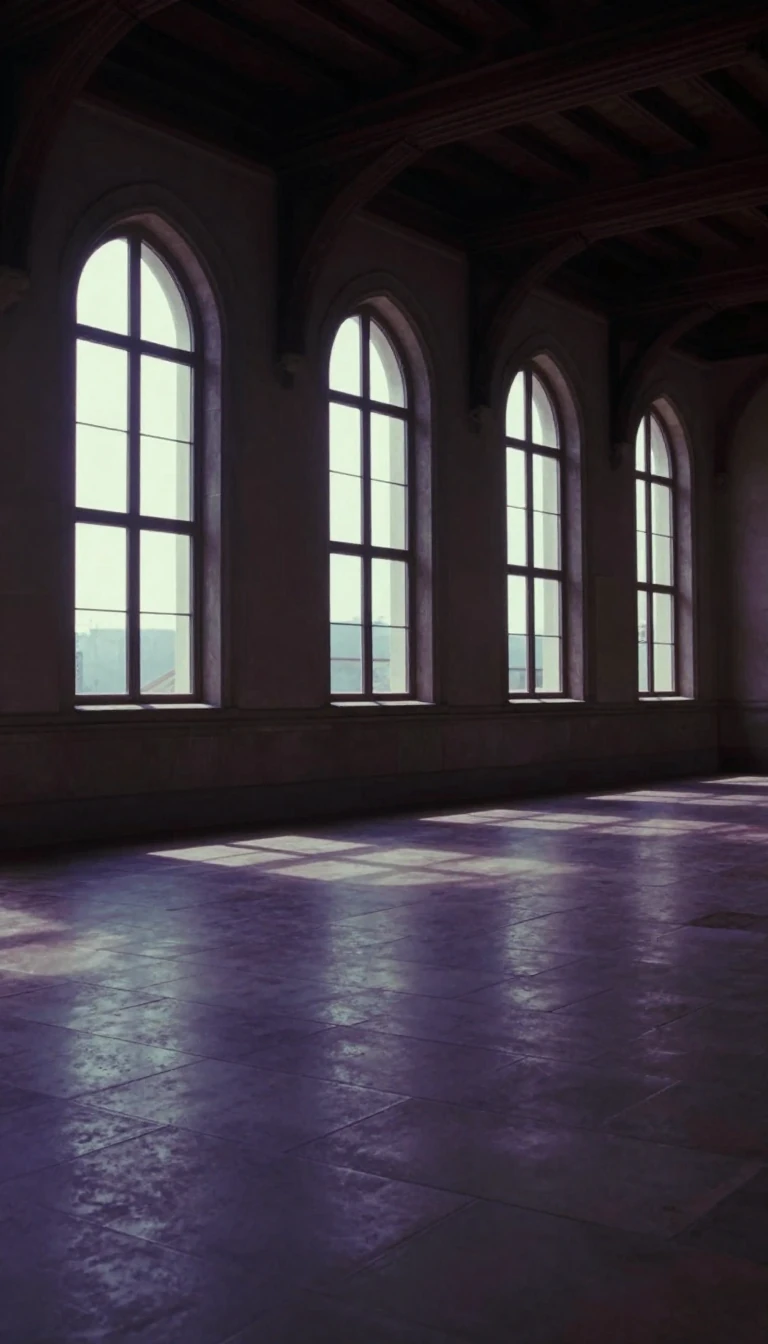
In short: King Ludwig II of Bavaria built Linderhof Palace as a private sanctuary, not for state affairs. Obsessed with the French Sun-King, he inverted royal traditions to suit his nocturnal lifestyle. Beyond the rococo decor, he commissioned pioneering electrical engineering to create immersive, operatic illusions that were decades ahead of their time.
Linderhof Palace, located near Ettal in southwest Bavaria, is the only palace King Ludwig II completed and lived in extensively from 1876 onward. Originally an inherited hunting lodge, the site was transformed into a rococo-style residence between 1869 and 1886. Despite its modest size compared to Versailles, the palace is deeply influenced by the French monarchy. Ludwig, who idolized Louis XIV, incorporated symbols of absolute power throughout the interior, even though his own constitutional authority was severely restricted. The palace reflects a private, intimate atmosphere, with only four rooms serving functional purposes.
The king’s nocturnal habits defined the palace's design. He famously inverted the traditional royal bedroom layout, facing it north and using it as a space for reading and reflection rather than public ceremony. His obsession with Wagnerian opera and myth led to the construction of extraordinary park features, most notably the Venus Grotto. Built between 1875 and 1877, this artificial cave utilized early electrical innovations, including arc lamps and a power plant, to create shifting light effects. These technical feats, managed by engineers like Johann Sigmund Schuckert, predated widespread industrial applications, including the patenting of light bulbs.
Ludwig’s pursuit of precise artistic effects often drove technological progress. The Venus Grotto, which required 58.9 million euros and 500,000 working hours for a recent restoration, featured a wave machine and rainbow projections to mimic scenes from Tannhäuser. This blend of historicist aesthetics and industrial modernity challenges the image of the 'fairytale king' as merely backward-looking. By 2025, the site achieved recognition as a UNESCO World Heritage Site, preserving both the king's private, imagined court life and the remarkable engineering legacy he left behind in the Bavarian Alps.
The palace grounds also house structures like Hunding's Hut and the Hermitage of Gurnemanz, which draw inspiration from Wagner’s operas. These buildings, alongside the formal gardens designed by Carl von Effner, highlight Ludwig’s desire to escape reality. Whether dining alone with imaginary guests or watching performances in his illuminated grotto, Ludwig used Linderhof to construct a personal, God-given monarchy that could no longer exist in the political reality of nineteenth-century Europe.
Opens the Intellect+ feed with this card first. Swipe up for the next one.
Sources
- Summary by Intellect · source: Linderhof Palace
- Also: Wikidata — Linderhof Palace · CC0
To cite this card, link to https://intellectplus.co.uk/app/places-linderhof-palace.
How we source, check and correct cards: Editorial standards.
General information, not professional advice. Spotted an error? Flag the card or see corrections and complaints.
Intellect Plus is a visual educational discovery platform for exploring fascinating facts and ideas. Brain Food, Not Brain Rot. What is Intellect Plus?
Related
More in World Heritage Sites · More in Countries & Cities · Latest · A–Z · All topics
