How a buried Roman metropolis became one of the Mediterranean's best-preserved archaeological treasures
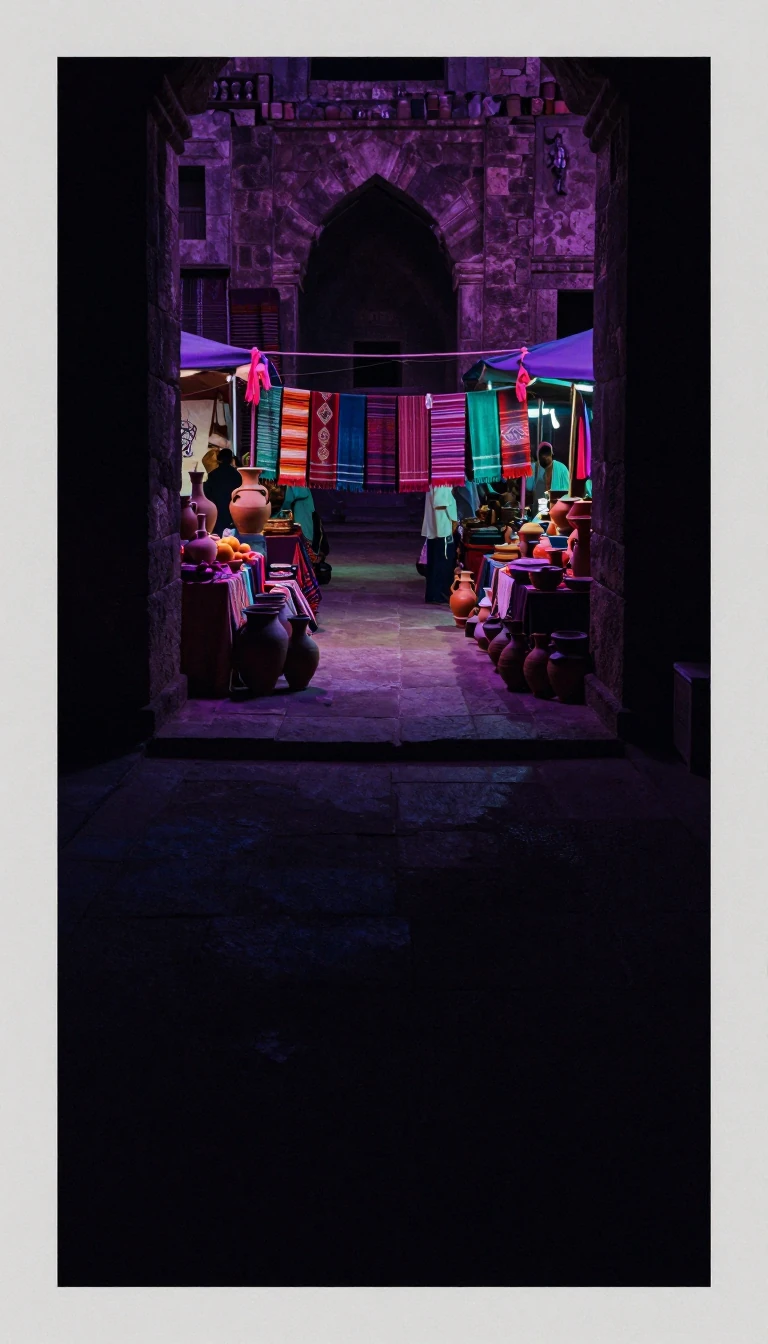
In short: Once a thriving Punic settlement and the hometown of Emperor Septimius Severus, Leptis Magna grew into a massive Roman port before being swallowed by desert sands. Rediscovered in the 1920s, its remarkably intact ruins offer a rare, vivid window into the grandeur and eventual decline of Roman North Africa.
Established as a Punic colony before 500 BC, Leptis Magna evolved from a local trading hub into a cornerstone of the Roman Empire. Its golden age arrived under Emperor Septimius Severus, who was born there in 193 AD. Severus transformed his hometown into the third-largest port in the Mediterranean, funding a magnificent new forum, a massive basilica, and extensive dock renovations. At its height in the early 3rd century, the city supported a population of approximately 100,000 people, prospering through trans-Saharan trade in ivory, gold, and exotic animals.
The city's fortunes shifted dramatically during the Crisis of the 3rd Century. Plagued by Berber raids and internal corruption, Leptis Magna began a long, uneven decline. By the time it fell to the Vandals in 439 AD, its walls were demolished to prevent rebellion. Although briefly reincorporated into the Eastern Empire in 533 AD, it never regained its former status. Following the Arab conquest around 647 AD, the city was largely abandoned, eventually being buried under protective layers of sand dunes, which preserved its architecture for centuries.
Italian archaeologists began unearthing the site in the 1920s, revealing a wealth of Roman infrastructure, including theaters and intricate mosaics. While the site survived the 2011 Libyan Civil War without significant damage, it now faces a different threat: climate change. The IPCC has identified the ruins as vulnerable to future sea-level rise. While immediate catastrophic flooding is not considered likely under current projections, the long-term reality of rising oceans means that protecting this ancient masterpiece will eventually require significant adaptation efforts, such as the construction of sea walls.
Opens the Intellect+ feed with this card first. Swipe up for the next one.
Sources
- Summary by Intellect · source: Leptis Magna
- Also: Wikidata — Leptis Magna · CC0
- Also: Wikidata — Leptis Magna · CC0
To cite this card, link to https://intellectplus.co.uk/app/places-leptis-magna.
How we source, check and correct cards: Editorial standards.
General information, not professional advice. Spotted an error? Flag the card or see corrections and complaints.
Intellect Plus is a visual educational discovery platform for exploring fascinating facts and ideas. Brain Food, Not Brain Rot. What is Intellect Plus?
Related
More in World Heritage Sites · More in Countries & Cities · Latest · A–Z · All topics
