How an Italian architectural style transformed into a Czech Renaissance masterpiece in Litomyšl
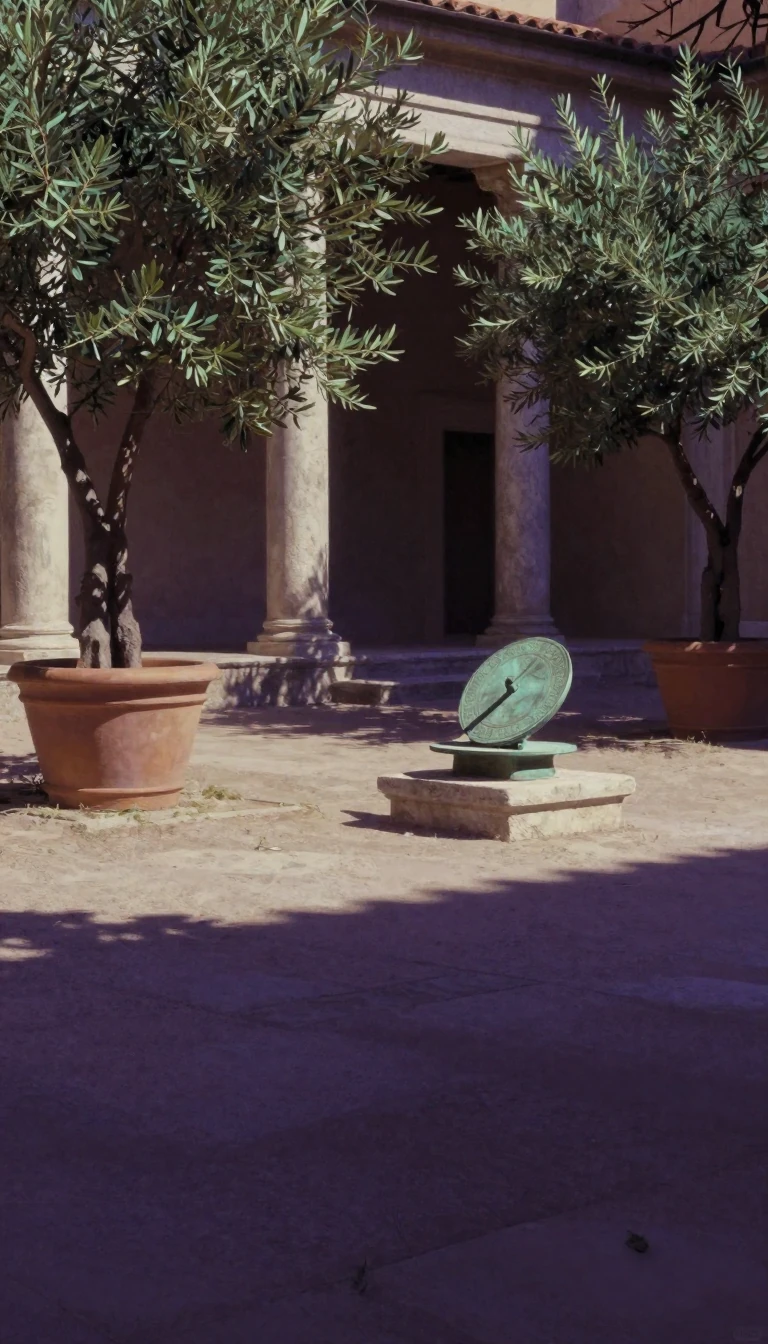
In short: Litomyšl Castle stands as a premier example of the arcade castle, a design born in Italy and refined in the Czech lands. This sprawling Renaissance structure, now a UNESCO World Heritage Site, has evolved through centuries of noble ownership, surviving fires and political upheaval to remain a cultural landmark today.
Construction of the castle began in 1568, guided by brothers Jan Baptista and Oldřich Avostalis. By 1580, the primary structure was largely complete. The building is defined by its four asymmetrical wings surrounding a square courtyard, featuring extensive arcading and groin vaulting. This design represents a distinct evolution of the Italian arcade castle style, adapted specifically for the Czech landscape to achieve a unique architectural quality.
The castle’s history is a record of shifting noble influence. It served as the seat of the Pernštejn family until 1646, followed by the Trauttmansdorff family, who commissioned architect František Maxmilián Kaňka to introduce classicist Baroque elements in the 18th century. Later, the Counts Waldstein took ownership in 1758, adding a private theater, while the Princes of Thurn and Taxis acquired the estate in 1855. These layers of history are still visible, from the preserved theater machinery to the private quarters of Prince Albert of Thurn and Taxis.
Beyond its architectural significance, the site is deeply woven into Czech cultural life. The composer Bedřich Smetana was born in the castle’s brewery in 1824, and the Smetanová Litomyšl Opera Festival has been hosted on the grounds since 1949. Following its confiscation after the Second World War, the site was named a national cultural monument in 1962. In 1994, it served as a diplomatic stage when President Václav Havel hosted seven Central European presidents, cementing its status as a site of both historical beauty and modern political relevance.
Today, the complex includes an English-style park and a Baroque pavilion. The brewery, which originally mirrored the castle’s sgraffito decorations, was remodeled by Kaňka following a 1726 fire. Since its designation as a UNESCO World Heritage Site in 1999, the castle has undergone extensive renovations, ensuring that its complex history remains accessible to the public.
Opens the Intellect+ feed with this card first. Swipe up for the next one.
Sources
- Summary by Intellect · source: Litomyšl Castle
- Also: Wikidata — Litomyšl Castle · CC0
To cite this card, link to https://intellectplus.co.uk/app/places-litomy-l-castle.
How we source, check and correct cards: Editorial standards.
General information, not professional advice. Spotted an error? Flag the card or see corrections and complaints.
Intellect Plus is a visual educational discovery platform for exploring fascinating facts and ideas. Brain Food, Not Brain Rot. What is Intellect Plus?
Related
More in World Heritage Sites · More in Countries & Cities · Latest · A–Z · All topics
