How a rugged volcanic range became a sanctuary for diverse cultures and intensive farming
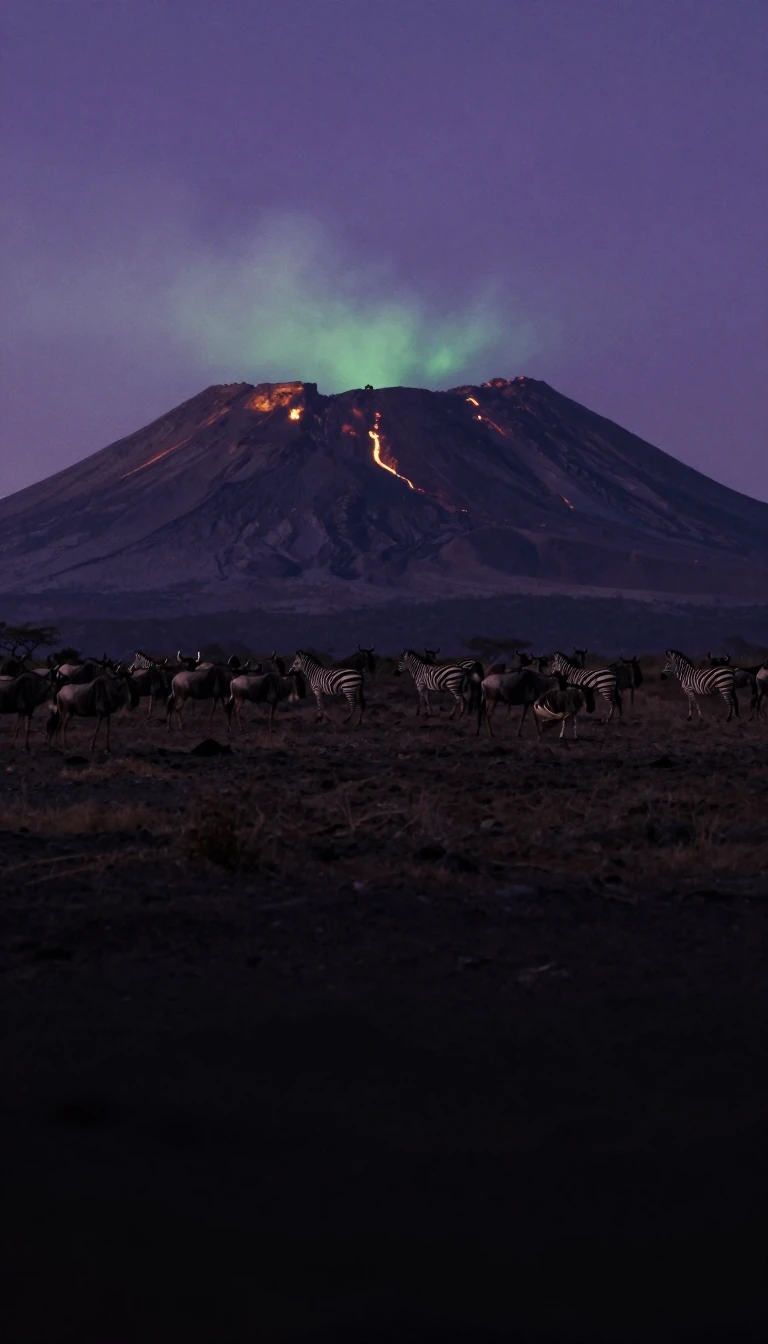
In short: Spanning 190 kilometers along the Cameroon-Nigeria border, the Mandara Mountains are more than just a volcanic landscape. Once a refuge for those fleeing conquest, this rugged terrain now supports a dense population that has mastered the art of intensive agriculture, transforming challenging slopes into a resilient and productive human ecosystem.
The Mandara Mountains were forged millions of years ago through a complex geological process. Initially, basement rock from deep beneath the African continent was pushed upward, causing the plate to fragment. During a much wetter historical climate, rushing rivers carved deep fractures into this rising rock. Subsequent volcanic activity added another layer of complexity, as lava eruptions created cones with magma-filled vents. Over time, the softer exterior of these cones eroded away, leaving behind the hardened, erosion-resistant volcanic plugs—such as the iconic Kapsiki Peak—that define the range's stark, needle-like silhouette today.
Beyond its geology, the region is a testament to human ingenuity. Historically, the mountains served as a vital refuge for people seeking to escape enslavement or conquest by powerful states on the surrounding plains. This history of migration and isolation has fostered a remarkable diversity of languages and traditional religions, with the area being home to groups such as the Mofu and Kirdi. Despite the rugged topography and naturally poor soils, the local population has sustained itself through a sophisticated system of intensive agriculture.
This agricultural success relies on extensive terracing, which protects the soil from erosion and extends from the valleys to the highest slopes. To maintain fertility, farmers employ a rotation of sorghum, millet, and legumes, while integrating trees like Khaya senegalensis and Acacia albida for shade and green manure. A circular nutrient system is central to this practice: domestic animals are kept in pens during the growing season, and their manure—along with household and plant waste—is carefully applied to the terraces after harvest. While the high peaks remain unprotected and face threats from grazing and conversion, these traditional methods continue to support a dense population in an environment that would otherwise be difficult to farm.
Opens the Intellect+ feed with this card first. Swipe up for the next one.
Sources
- Summary by Intellect · source: Mandara Mountains
- Also: Wikidata — Mandara Mountains · CC0
To cite this card, link to https://intellectplus.co.uk/app/places-mandara-mountains.
How we source, check and correct cards: Editorial standards.
General information, not professional advice. Spotted an error? Flag the card or see corrections and complaints.
Intellect Plus is a visual educational discovery platform for exploring fascinating facts and ideas. Brain Food, Not Brain Rot. What is Intellect Plus?
Related
More in Land relief · More in Countries & Cities · Latest · A–Z · All topics
