Mangalia: A Romanian port city with roots in ancient Greek history and thermal waters
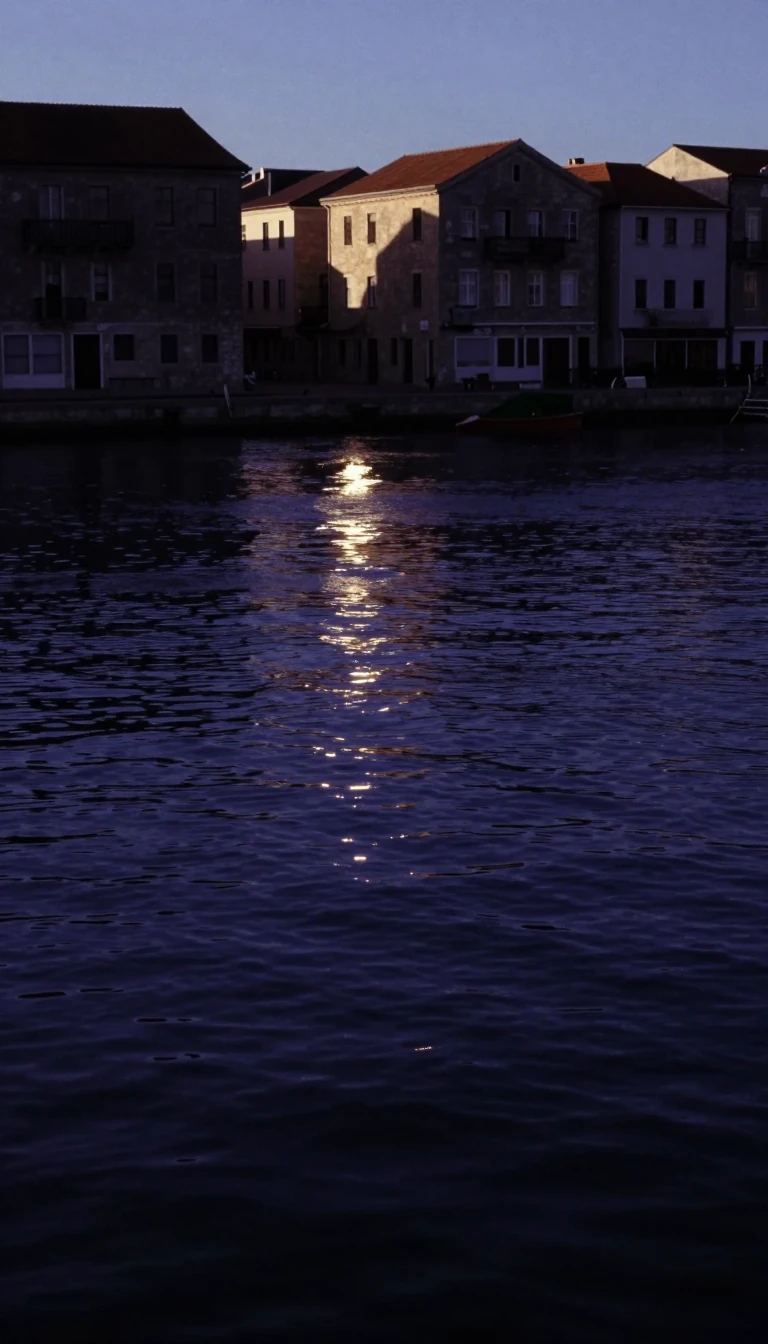
In short: Perched on the Black Sea coast, Mangalia is a modern Romanian municipality that hides layers of history beneath its sunny resorts. From its origins as a 6th-century BC Greek colony to its current status as a therapeutic destination, this city offers a unique blend of ancient ruins and maritime climate.
Founded in the 6th century BC by settlers from Heraclea Pontica, the city was originally known as Callatis. It evolved into a significant Greek city-state, minting its own silver coinage by 350 BC. The region faced turbulent shifts, including a Macedonian invasion in 339 BC and a subsequent siege by Lysimachus between 313 and 311 BC. By 72 BC, the Roman general Lucullus conquered the area, integrating it into the province of Moesia Inferior. Throughout the Roman era, the city fortified itself and continued to thrive as a trade hub, even as it endured multiple invasions in the 3rd century AD.
The city underwent several name changes over the centuries, transitioning from Callatis to Pangalia in the 13th century, and finally to Mangalia by the 16th century. Today, the city serves as a gateway to several popular seaside resorts, including Neptun and Olimp. Its geography is notable for being at the same latitude as Nice, France, contributing to a moderate maritime climate. This environment, combined with mineral-rich springs and sulphurous peat mud—expected to remain available for another 250 years—has established the area as a center for therapeutic treatments like aeroheliotherapy.
Modern Mangalia is a diverse community, with a 2021 census population of 31,950. While the majority of residents are Romanian, the city maintains a cultural tapestry that includes Tatar, Turkish, and other minority groups. Visitors can explore a rich archaeological heritage, ranging from the ruins of the ancient citadel to a 16th-century Turkish mosque and a necropolis dating back to the 4th century BC. The city also hosts the annual Callatis Festival, bridging its deep historical legacy with contemporary cultural life.
Opens the Intellect+ feed with this card first. Swipe up for the next one.
Sources
- Summary by Intellect · source: Mangalia
- Also: Wikidata — Mangalia · CC0
- Also: Wikidata — Mangalia · CC0
To cite this card, link to https://intellectplus.co.uk/app/places-mangalia.
How we source, check and correct cards: Editorial standards.
General information, not professional advice. Spotted an error? Flag the card or see corrections and complaints.
Intellect Plus is a visual educational discovery platform for exploring fascinating facts and ideas. Brain Food, Not Brain Rot. What is Intellect Plus?
Related
More in Bodies of water · More in Countries & Cities · Latest · A–Z · All topics
