The Marquesas Islands: A Volcanic Archipelago Struggling for Autonomy in the Pacific
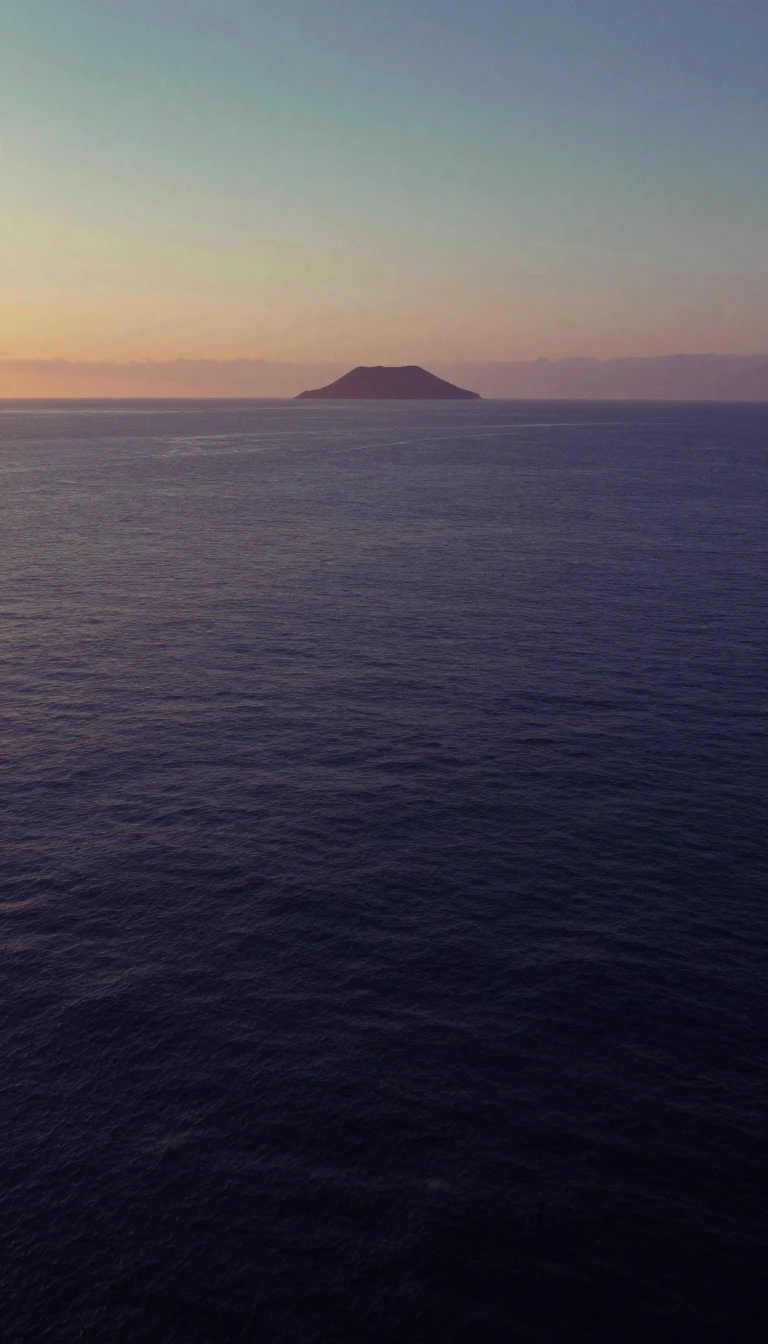
In short: Remote, rugged, and historically isolated, the Marquesas Islands are a volcanic chain in French Polynesia defined by dramatic cliffs and a unique cultural heritage. Despite their beauty, the islands face significant challenges, including water scarcity, a complex administrative structure, and ongoing political friction with the distant capital of Tahiti.
Formed by the Marquesas hotspot, this archipelago is one of the most remote island groups on Earth, situated over 1,300 kilometres from Tahiti. The islands are primarily volcanic, with ages ranging from 1.3 million to 6 million years. Unlike many other Polynesian islands, they lack protective coral reefs, leaving their steep, dramatic ridges to meet the sea in abrupt cliffs. Their environment is surprisingly dry for the tropics, as they sit in the path of the Humboldt Current, leading to frequent, multi-year droughts that have historically made human settlement intermittent.
Archaeological evidence suggests the islands were settled by voyagers from West Polynesia. Recent radiocarbon studies indicate a rapid colonization period between 1190 and 1290 AD, which helped preserve a remarkably uniform culture and language. By the late 18th century, the population was estimated at 80,000 to 100,000. However, the introduction of diseases like smallpox and measles by Western explorers caused a catastrophic decline, with the population bottoming out at just 2,255 in 1926 before beginning a slow recovery to 9,346 by 2017.
Today, the Marquesas are caught in a complex web of governance. While they are an administrative subdivision of French Polynesia, residents have long expressed frustration with the dominance of Tahiti. This tension led to the 2010 creation of the CODIM, an intercommunal structure intended to pool resources and foster economic development. Yet, the auditor has criticized its limited effectiveness, noting a lack of financial means and power. In 2024, the islands were designated a UNESCO World Heritage Site, recognizing their status as 'Te Henua Enata'—the Land of Men—and highlighting the importance of protecting this unique indigenous history.
The political landscape remains fraught. Some Marquesan leaders have proposed bypassing Tahiti to establish a direct relationship with the French government in Paris. This suggestion has sparked controversy, with pro-independence Tahitian politicians accusing the French state of fostering division. As the islands navigate these internal and external pressures, they remain a distinct, if administratively constrained, entity within the French Republic.
Opens the Intellect+ feed with this card first. Swipe up for the next one.
Sources
- Summary by Intellect · source: Marquesas Islands
- Also: Wikidata — Marquesas Islands · CC0
- Also: Wikidata — Marquesas Islands · CC0
To cite this card, link to https://intellectplus.co.uk/app/places-marquesas-islands.
How we source, check and correct cards: Editorial standards.
General information, not professional advice. Spotted an error? Flag the card or see corrections and complaints.
Intellect Plus is a visual educational discovery platform for exploring fascinating facts and ideas. Brain Food, Not Brain Rot. What is Intellect Plus?
Related
More in World Heritage Sites · More in Countries & Cities · Latest · A–Z · All topics
