Why this Tanzanian highland city is often called the Scotland of Africa
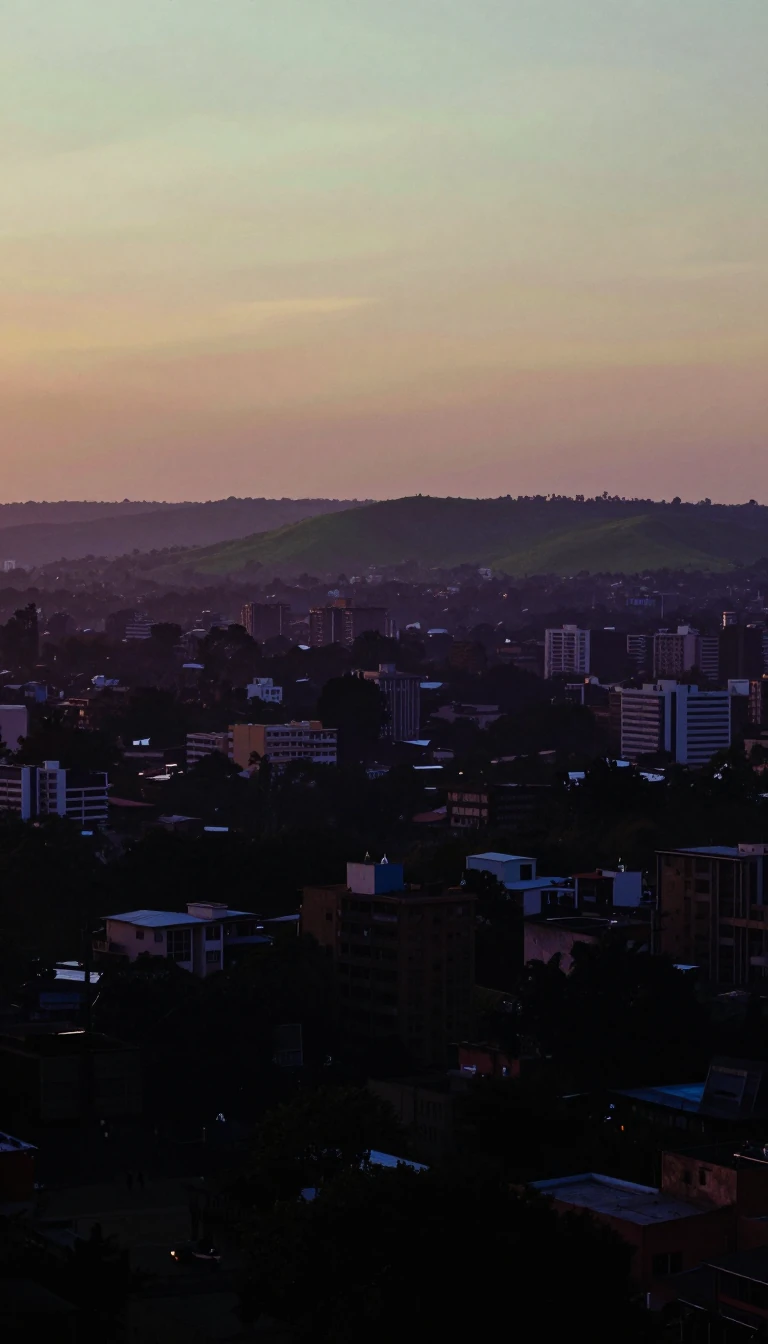
In short: Nestled in a narrow valley surrounded by volcanic mountains, Mbeya is a vital Tanzanian metropolis. Known for its fertile soil and high-altitude climate, this former gold-mining town has evolved into a major agricultural hub and a strategic gateway connecting Tanzania to its southern neighbors through the Great North Road.
Founded in the 1920s following a 1906 gold rush, Mbeya sits at an altitude of 1,700 metres. Its unique geography, characterized by heather-clad hills and cool, misty weather, earned it the nickname the Scotland of Africa. Despite this moniker, the region’s flora is botanically closer to the fynbos of South Africa’s Western Cape than to the Scottish Highlands. The landscape is dominated by dormant volcanic craters, including Mount Rungwe, which rises to 2,960 metres and serves as the highest peak in southern Tanzania.
The city functions as a critical economic engine, serving as a breadbasket for the nation. Its rich volcanic soil and reliable rainfall support the production of maize, tea, coffee, and cocoa. Beyond agriculture, Mbeya is a transit nexus for goods and passengers moving between Dar es Salaam and countries like Malawi and Zambia. This connectivity is bolstered by the TAZARA railway and the Songwe International Airport, which opened in 2012 to link the region to the rest of the country.
Ecologically, the area remains a frontier for discovery. In 2005, researchers identified a new species of large monkey, the Kipunji, in the nearby southern highlands. The region also hosts the Kitulo National Park, famous for its native orchids. While the city is a growing business center with numerous institutes of higher learning, it retains a rugged character, with local communities still utilizing traditional resources like bamboo and firewood from the surrounding forests.
Today, Mbeya is a center for the Southern Highlands, housing zonal offices for major banks and corporations. It is a city of contrasts, where traditional agricultural tribes like the Safwa and Nyakyusa coexist with a modern, urbanizing economy. As the local government seeks to expand tourism beyond its current niche, the city remains a vital, if under-studied, pillar of Tanzanian commerce and biodiversity.
Opens the Intellect+ feed with this card first. Swipe up for the next one.
Sources
- Summary by Intellect · source: Mbeya
- Also: Wikidata — Mbeya · CC0
To cite this card, link to https://intellectplus.co.uk/app/places-mbeya.
How we source, check and correct cards: Editorial standards.
General information, not professional advice. Spotted an error? Flag the card or see corrections and complaints.
Intellect Plus is a visual educational discovery platform for exploring fascinating facts and ideas. Brain Food, Not Brain Rot. What is Intellect Plus?
Related
More in Africa · More in Countries & Cities · Latest · A–Z · All topics
