How a remote salt trading post became the political heart of northern Ethiopia
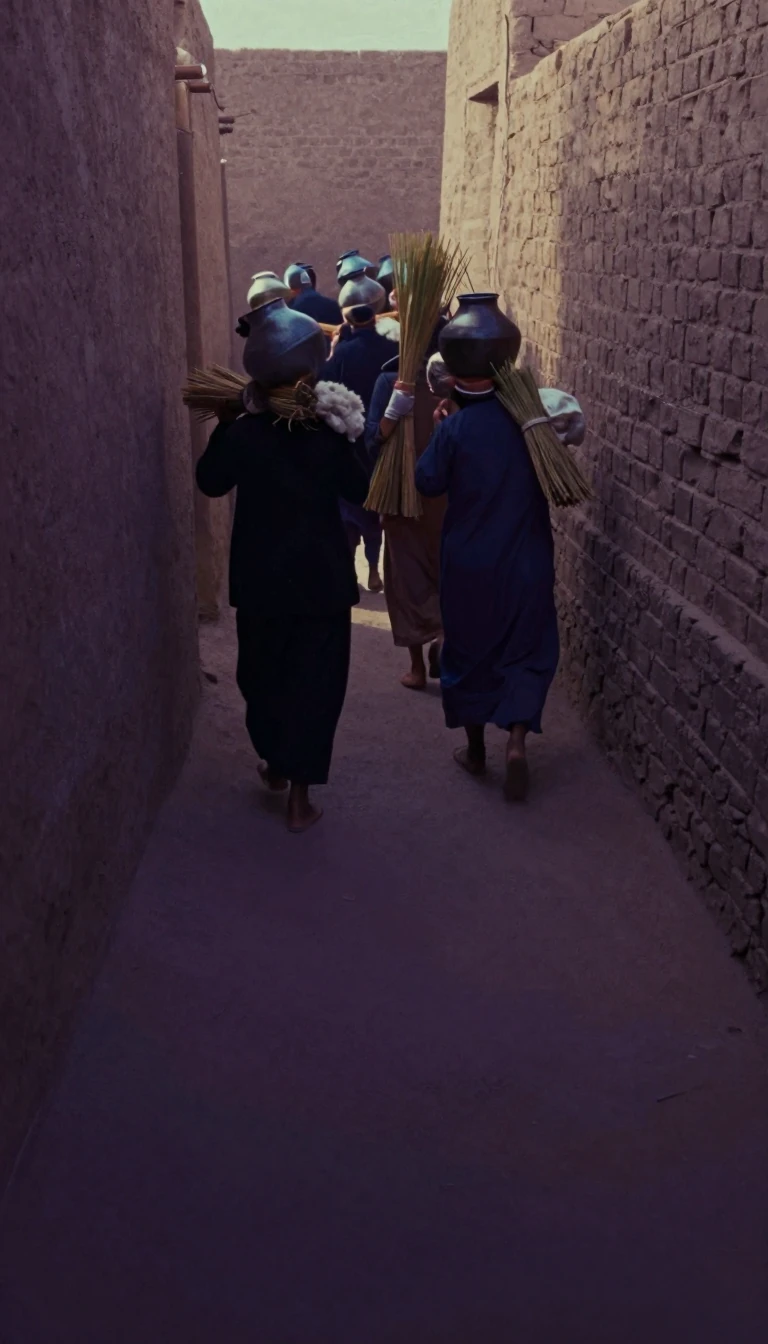
In short: Perched high in the northern Ethiopian highlands, Mekelle evolved from a modest 13th-century hamlet into a strategic regional powerhouse. By leveraging its proximity to vital salt mines and ancient trade routes, the city transformed into a political capital, surviving centuries of shifting imperial power, foreign occupation, and civil conflict.
Mekelle’s rise is inextricably linked to its geography and the ambitions of 19th-century rulers. Situated at an elevation of over 6,700 feet, the town sits west of the Danakil Plain, a region essential to the inland salt trade. While the area served as a tributary district for centuries, its status shifted dramatically under Emperor Yohannes IV, who reigned from 1872 to 1889. Yohannes recognized the city’s strategic value, positioning it as a bridge between the fertile agricultural lands of Raya Azebo and the lucrative salt caravan routes. He established the city as his political capital, commissioning a grand palace in 1882, which remains a historic centerpiece today.
The city’s development has been marked by cycles of growth and political volatility. Following the death of Yohannes IV and the rise of Menelik II, the center of Ethiopian power shifted south to Addis Ababa, causing Mekelle to lose its status as the national capital. Yet, the city remained a vital administrative hub for the Tigray region. Its history is also defined by the broader struggles of the Tigray people, including the 1896 defeat of Italian forces near Adwa and the subsequent Italian occupation from 1935 to 1941. The late 20th century brought further upheaval, as the Tigray People’s Liberation Front launched a rebellion in 1975, leading to a period of intense conflict and humanitarian crisis that reshaped the region’s demographics.
Since 1991, Mekelle has experienced rapid urbanization and economic expansion. Once a transit point for commodities, the city has evolved into an industrial and educational center, home to institutions like Mekelle University. Despite this modernization, the city remains a focal point for regional identity and political discourse. Its growth from a small settlement to a major urban center—now housing hundreds of thousands—reflects the resilience of northern Ethiopia, even as the city continues to navigate the complex legacy of its past and the persistent challenges of border and regional governance that have defined the area into the 21st century.
Opens the Intellect+ feed with this card first. Swipe up for the next one.
Sources
- Summary by Intellect · source: Mekele | Historic City, Tigray Region | Britannica
- Also: Mekelle
To cite this card, link to https://intellectplus.co.uk/app/places-mekelle.
How we source, check and correct cards: Editorial standards.
General information, not professional advice. Spotted an error? Flag the card or see corrections and complaints.
Intellect Plus is a visual educational discovery platform for exploring fascinating facts and ideas. Brain Food, Not Brain Rot. What is Intellect Plus?
Related
More in Africa · More in Countries & Cities · Latest · A–Z · All topics
