How a Bavarian aviation hub transformed from a wetland into a global transit engine
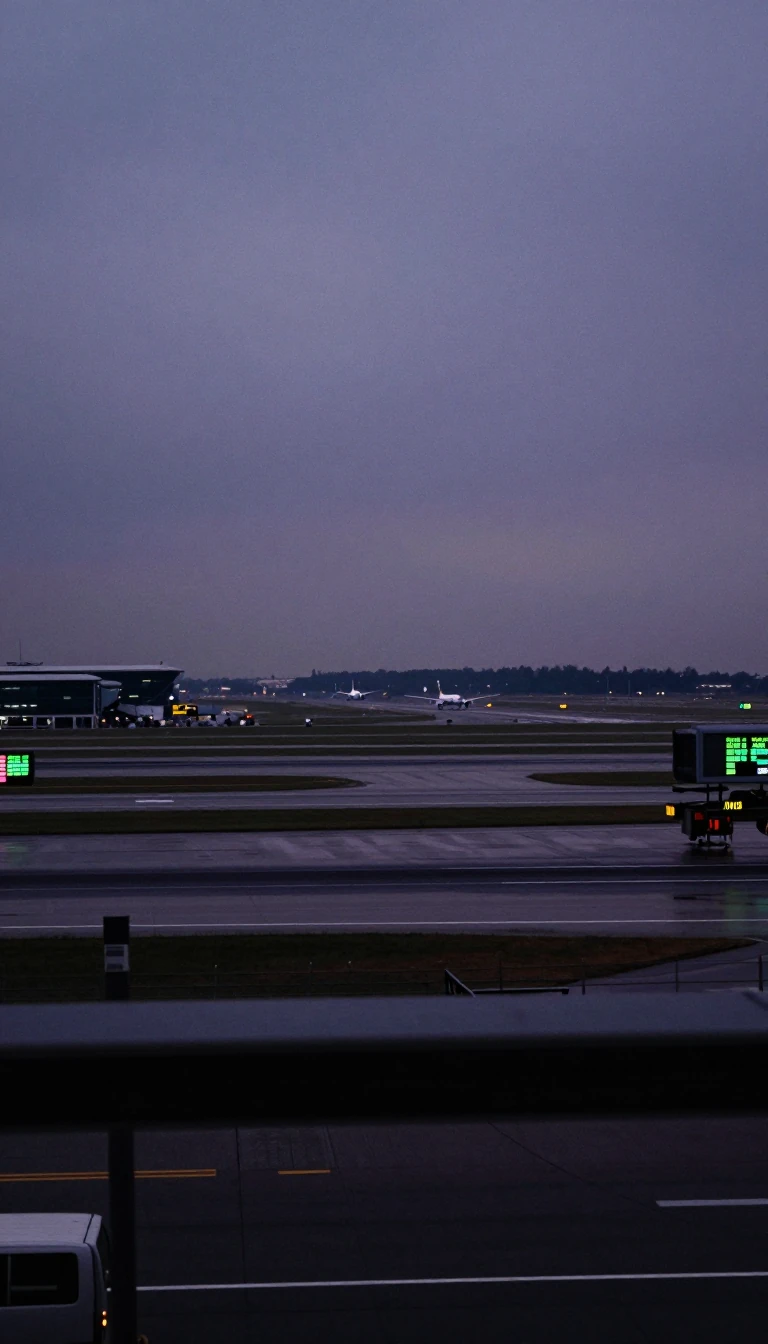
In short: Munich Airport is more than a transit point; it is a sprawling, self-contained ecosystem. Opened in 1992 to replace the city's older facility, it has grown into a major international hub. From its unique retail exemptions to its complex environmental engineering, the airport functions as a city unto itself.
Located 28.5 kilometers northeast of Munich, the airport serves as a primary gateway for Upper and Lower Bavaria. It was named for Franz Josef Strauss, a former Bavarian Minister-President and private pilot who championed the project. Since its 1992 opening, the site has expanded significantly, handling 41.6 million passengers in 2024. Its infrastructure includes two parallel runways and two main passenger terminals, with Terminal 2 serving as a specialized hub for Lufthansa and its Star Alliance partners.
The airport's design reflects a massive engineering effort. Construction in the Erdinger Moos wetlands required extensive drainage and the redirection of local streams. Today, the facility manages its environmental footprint through a certified management system, including biological treatment for de-icing chemicals. While roughly 60% of its 1,575 hectares remain landscaped, the scale of land use remains a point of contention among environmental groups who argue that compensation efforts are inadequate.
Beyond aviation, the airport functions as a commercial center. The Munich Airport Center links the terminals, housing shops, business facilities, and a supermarket that operates daily under special exemptions to regional retail laws. The site also hosts corporate training centers, police helicopter units, and extensive parking infrastructure. Future growth is already planned, with a major expansion of the satellite building scheduled for 2035, aiming to increase annual capacity by 10 million passengers.
The airport's operational model is also notable for its partnership structure. Terminal 2 is managed by a joint venture between the airport operator and Lufthansa, marking a rare instance of airline co-ownership of terminal facilities. This integration, combined with the 2016 addition of a satellite building connected by an underground people mover, allows the airport to maintain high efficiency for complex transfer networks while accommodating the world's largest aircraft.
Opens the Intellect+ feed with this card first. Swipe up for the next one.
Sources
- Summary by Intellect · source: Munich Airport
- Also: Wikidata — Munich Airport · CC0
- Also: Wikidata — Munich Airport Terminal · CC0
To cite this card, link to https://intellectplus.co.uk/app/places-munich-airport.
How we source, check and correct cards: Editorial standards.
General information, not professional advice. Spotted an error? Flag the card or see corrections and complaints.
Intellect Plus is a visual educational discovery platform for exploring fascinating facts and ideas. Brain Food, Not Brain Rot. What is Intellect Plus?
Related
More in Capital cities · More in Countries & Cities · Latest · A–Z · All topics
