Nine thousand years ago, humans in Papua New Guinea were already master engineers
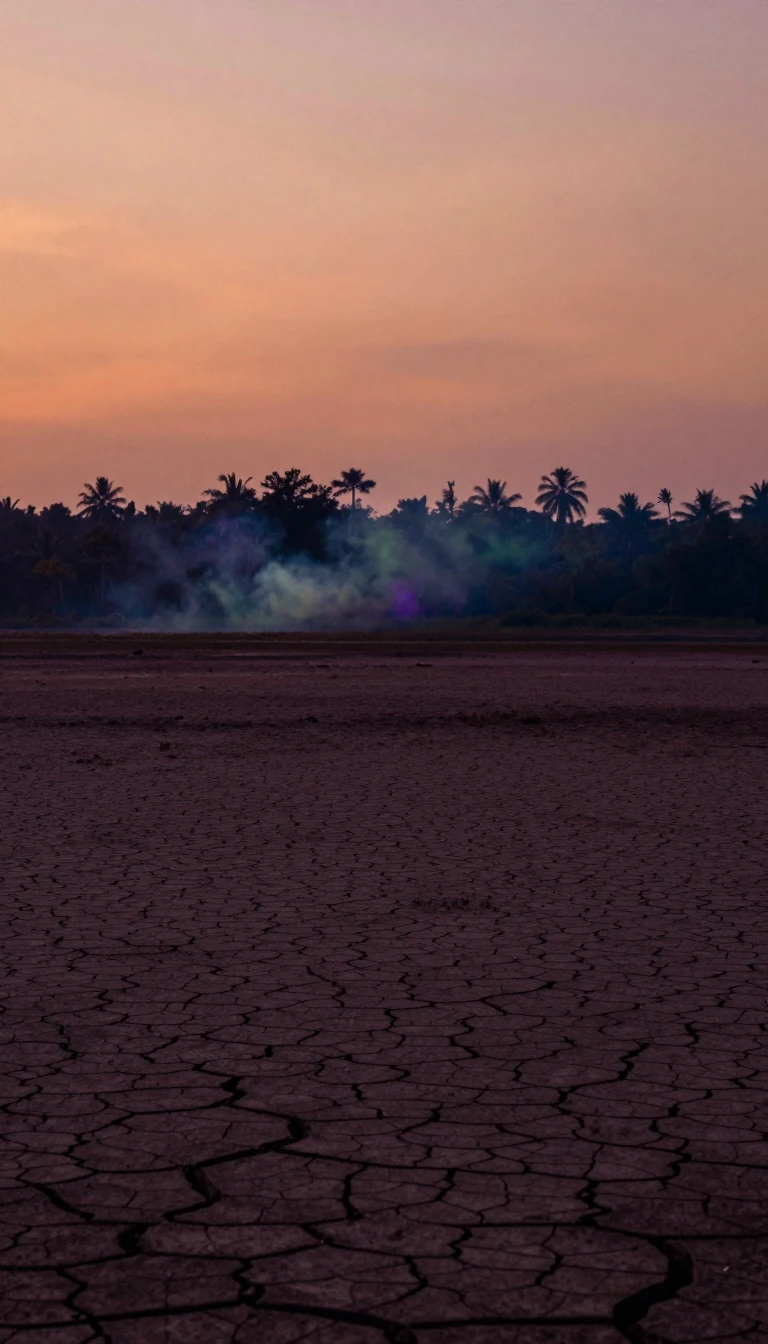
In short: Deep in the Wahgi Valley, the Kuk Swamp reveals a startling secret: prehistoric people were actively draining land and cultivating crops as early as 9,000 years ago. This site, now a World Heritage landmark, proves that agriculture was independently developed here, transforming a wild landscape into a managed, productive grassland.
Located at an altitude of 1,550 metres in the highlands of Papua New Guinea, Kuk Swamp is an archaeological site of profound global significance. Excavations, notably led by Australian archaeologist Jack Golson, have uncovered a complex history of human ingenuity. Beginning around 9,000 years ago, early inhabitants began constructing sophisticated drainage systems to tame the swampy environment. These systems, which included major disposal channels alongside large and small field ditches, allowed the people to divert water and convert the area into an anthropogenic grassland suitable for farming.
The evidence for this early agricultural revolution is etched into the soil. Researchers have identified features such as pits, postholes, and runnels, alongside artifacts like wooden digging sticks and grindstones. These findings indicate that the site was not merely a place of gathering but a center for active planting, digging, and plant tethering. The primary crop during these early phases was taro, which was cultivated at the edge of its viable highland limit, demonstrating a keen understanding of environmental management.
The agricultural story at Kuk Swamp continued to evolve. Between 6,900 and 6,400 years ago, the cultivation of bananas and sugar cane became established. Specifically, the presence of Eumusa banana phytoliths—found in high concentrations within managed plots—confirms deliberate domestication. This makes the site one of the earliest known locations for the independent development of agriculture in the world. In 2008, UNESCO recognized this historical achievement by designating Kuk Swamp as a World Heritage Site, acknowledging its role in the human story of food production.
Today, the area remains home to the Kawelka people, a Melpa-speaking tribe. The site serves as a vital record of how prehistoric societies manipulated their surroundings to ensure survival. By studying the layers of clay and the layout of the ancient ditches, archaeologists have pieced together a timeline of innovation that spans millennia, proving that the transition to agriculture was a deliberate, multi-generational project rather than a sudden accident.
Opens the Intellect+ feed with this card first. Swipe up for the next one.
Sources
- Summary by Intellect · source: Kuk Swamp
- Also: Wikidata — Kuk Swamp · CC0
To cite this card, link to https://intellectplus.co.uk/app/places-kuk-swamp.
How we source, check and correct cards: Editorial standards.
General information, not professional advice. Spotted an error? Flag the card or see corrections and complaints.
Intellect Plus is a visual educational discovery platform for exploring fascinating facts and ideas. Brain Food, Not Brain Rot. What is Intellect Plus?
Related
More in World Heritage Sites · More in Countries & Cities · Latest · A–Z · All topics
