Why Norman architecture became a massive, distinctive symbol of power across medieval England
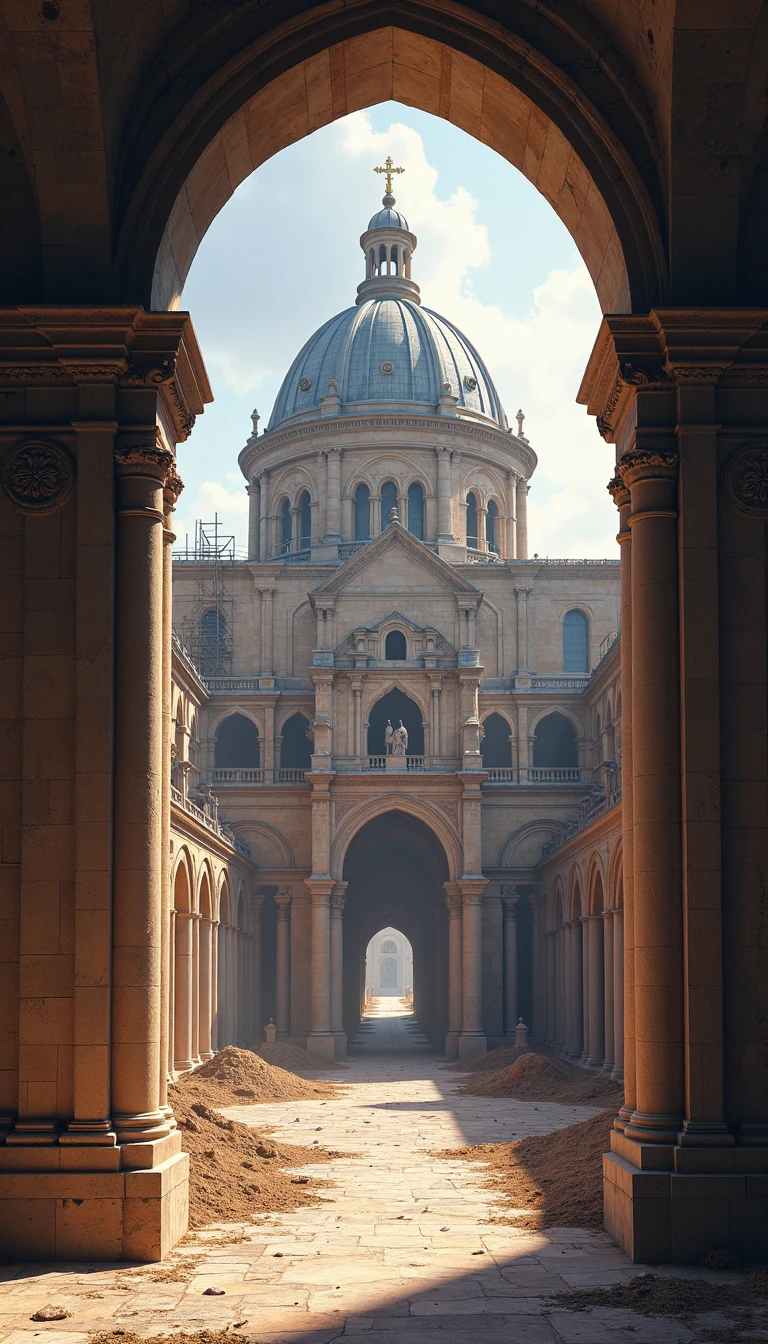
In short: Following the 1066 conquest, the Normans transformed the English landscape with imposing stone cathedrals and rectangular keeps. This Romanesque style, characterized by rounded arches and massive proportions, evolved into a unique national tradition that diverged from its French roots, eventually anticipating the structural innovations of the coming Gothic era.
The Norman style emerged in the 11th and 12th centuries as a Romanesque variant. Because Normandy only achieved stability and sophistication shortly before the 1066 conquest, the style developed almost simultaneously in both Normandy and England. Early structures in both regions were remarkably similar, following the Christian basilica plan: a longitudinal nave with side aisles, a sanctuary apse, and a western facade flanked by two towers. The Church of Saint-Étienne at Caen, begun in 1067, served as the definitive model for this early phase.
As the style matured, Anglo-Norman architecture diverged from its French counterpart. English builders favored increased scale, creating cathedrals of enormous length, such as those at Ely, Norwich, and Peterborough. Unlike the French focus on structural logic, English builders often prioritized a massive, dignified appearance. They frequently employed great round columns and decorated masonry surfaces with shallow geometric patterns that obscured the underlying structure. While most churches relied on timber roofs, Durham Cathedral, begun around 1104, featured early pointed ribbed vaults—a revolutionary technique that anticipated Gothic construction by nearly a century.
Beyond ecclesiastical buildings, the Normans used architecture to cement their rule through military and domestic structures. The rectangular keep became the hallmark of the Norman castle, exemplified by the Tower of London, built between 1078 and 1090, and Colchester Castle. These buildings mirrored the massive dignity of the cathedrals, serving as both defensive fortifications and symbols of the new aristocracy. By the early 13th century, however, this Romanesque tradition began to fade as the new Gothic style, introduced at Canterbury after a 1174 fire, gained prominence across England.
Opens the Intellect+ feed with this card first. Swipe up for the next one.
Sources
- Summary by Intellect · source: Norman style | Romanesque & Gothic Styles | Britannica
- Also: Norman architecture
To cite this card, link to https://intellectplus.co.uk/app/places-norman-architecture.
How we source, check and correct cards: Editorial standards.
General information, not professional advice. Spotted an error? Flag the card or see corrections and complaints.
Intellect Plus is a visual educational discovery platform for exploring fascinating facts and ideas. Brain Food, Not Brain Rot. What is Intellect Plus?
Related
More in Cities · More in Countries & Cities · Latest · A–Z · All topics
