How a WWII Aircraft Factory Became the World’s Busiest Airfield
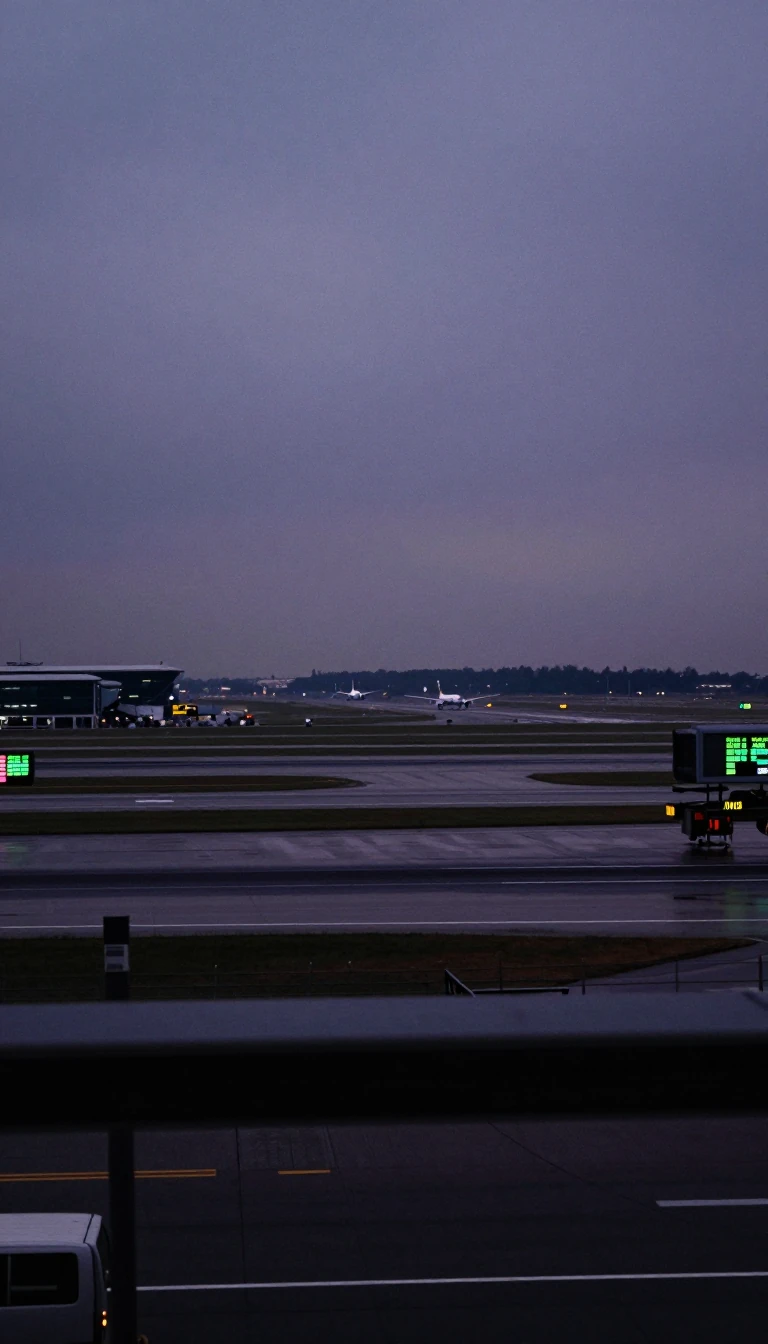
In short: O’Hare International Airport began as a wartime manufacturing site for Douglas C-54 Skymasters. Today, it is a global aviation powerhouse, handling 80 million passengers in 2025. Its evolution from a quiet farming community called Orchard Place to a complex with eight runways is a masterclass in urban planning and legal maneuvering.
The site now known as O’Hare was originally farmland called Orchard Place. During World War II, it served as a manufacturing hub for Douglas C-54 Skymaster aircraft. Following the war, Chicago officials sought a successor to Midway Airport, which was constrained by its residential surroundings. In 1945, the city selected the Orchard site for a new municipal airfield. By 1949, it was renamed in honor of Edward Henry “Butch” O’Hare, a Navy flying ace and Medal of Honor recipient.
Because the airport sits northwest of Chicago, the city faced a legal challenge regarding municipal control. To maintain jurisdiction, Mayor Richard J. Daley orchestrated the annexation of a narrow strip of land known as the Higgins corridor in 1956. After the Illinois Supreme Court questioned the legality of this narrow connection in 1959, the city negotiated a wider land swap with the village of Rosemont. This secured the airport's status as a permanent part of Chicago.
O’Hare was a pioneer in modern airport design, incorporating features like jet bridges, underground fuel storage, and dedicated highway access. As the jet age arrived, the airport’s longer runways allowed it to accommodate larger aircraft that Midway could not handle. Commercial service officially began in 1955, and by 1961, O’Hare was already the second-busiest airport in the country. The O’Hare Modernization Program, launched in 2001, further transformed the airfield by reconfiguring intersecting runways into a more efficient parallel layout.
Today, the airport features four terminals and eight runways, enabling a high frequency of simultaneous arrivals and departures. With a plane taking off roughly every 30 seconds, it remains a critical global gateway. Ongoing projects like the O’Hare21 Terminal Area Plan aim to increase gate capacity by 25 percent, ensuring the airport remains a central hub for domestic and international travel well into the future.
Opens the Intellect+ feed with this card first. Swipe up for the next one.
Sources
- Summary by Intellect · source: O’Hare International Airport | Location, History, Services, & Development | Britannica
- Also: O'Hare International Airport
To cite this card, link to https://intellectplus.co.uk/app/places-o-hare-international-airport.
How we source, check and correct cards: Editorial standards.
General information, not professional advice. Spotted an error? Flag the card or see corrections and complaints.
Intellect Plus is a visual educational discovery platform for exploring fascinating facts and ideas. Brain Food, Not Brain Rot. What is Intellect Plus?
Related
More in Cities · More in Countries & Cities · Latest · A–Z · All topics
