How a royal Asturian basilica evolved into a centuries-long architectural workshop of stone
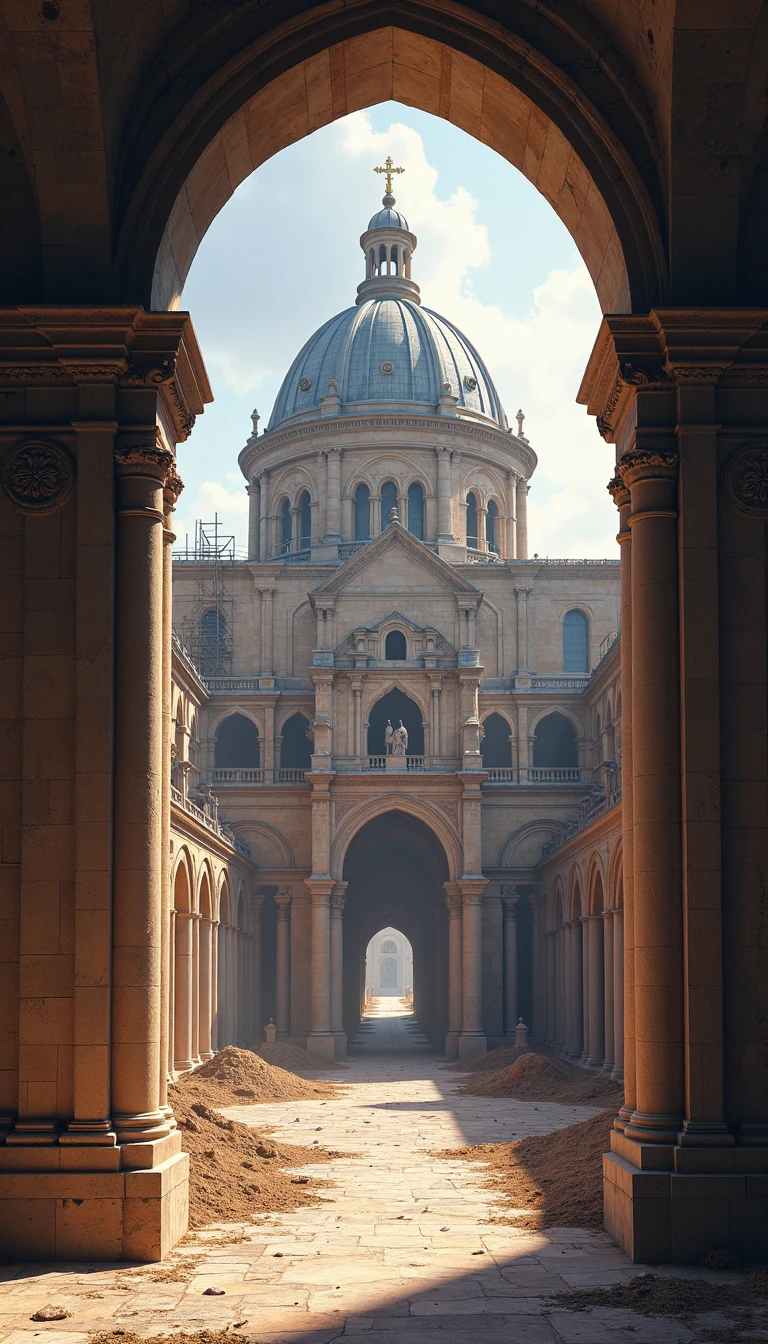
In short: Oviedo Cathedral began as a modest pre-Romanesque royal chapel in the 8th century. Over the next seven hundred years, it transformed into a sprawling complex of Gothic, Renaissance, and Baroque styles. Today, it remains a living record of shifting power, religious devotion, and the evolution of medieval European craftsmanship.
Founded in 781 AD by King Fruela I, the cathedral was significantly expanded by his son, Alfonso II, who established Oviedo as the capital of the Kingdom of Asturias. The site was originally a complex of royal buildings, including a palace and baths. While most of this primitive structure has vanished, the Cámara Santa, or Holy Chamber, survives as a two-story relic of that era. It houses treasures like the Cross of the Angels and the Victory Cross, which solidified Oviedo’s status as a major stop on the northern Way of St. James.
The transition from the old basilica to the current Gothic structure began in earnest around 1388 under Bishop Gutierre de Toledo. This process was not a single project but a multi-generational workshop. Between 1300 and 1550, the original pre-Romanesque and Romanesque elements were systematically demolished to make way for flamboyant Gothic aisles, a new cloister, and a western facade. Master builders from Northern Europe, such as Nicolás de Bar and Nicolás de Bruselas, introduced innovative vaulting techniques that defined the cathedral’s interior.
By the Early Modern period, the cathedral continued to evolve with the addition of Baroque chapels and an ambulatory. The site’s history is marked by the contributions of various bishops and monarchs, from the 12th-century restorations by Archbishop Pelagius to the 18th-century replacement of the Santa María del Rey Casto church. A major restoration project, sponsored by the Spanish National Plan for Cathedrals, was completed between 1998 and 2002, ensuring that this architectural palimpsest remains standing for future study.
The cathedral’s identity is deeply tied to its relics, particularly the Agate Box, which legend claims was brought from Jerusalem. The site’s complexity reflects its dual role as a royal pantheon and a pilgrimage destination. Whether through the intricate tracery of its cloister windows or the octagonal pyramid of its Gothic tower, the cathedral stands as a testament to the shifting artistic and political priorities of the Iberian Peninsula over more than a millennium.
Opens the Intellect+ feed with this card first. Swipe up for the next one.
Sources
- Summary by Intellect · source: Oviedo Cathedral
- Also: Wikidata — Metropolitan Cathedral Basilica of the Holy Saviour, Oviedo · CC0
To cite this card, link to https://intellectplus.co.uk/app/places-oviedo-cathedral.
How we source, check and correct cards: Editorial standards.
General information, not professional advice. Spotted an error? Flag the card or see corrections and complaints.
Intellect Plus is a visual educational discovery platform for exploring fascinating facts and ideas. Brain Food, Not Brain Rot. What is Intellect Plus?
Related
More in Famous landmarks · More in Countries & Cities · Latest · A–Z · All topics
